Modern MBA · Video summary
Why BuzzFeed & VICE Went Extinct
Digital media giants BuzzFeed and VICE failed due to a reliance on ad revenue and a refusal to embrace subscriptions, ultimately proving unsustainable against changing digital landscapes and platform dynamics.

 Watch on YouTube ↗
Key takeaways
- 🎯The fundamental flaw for digital media like BuzzFeed and VICE was the belief that advertising alone could sustain a publishing business at scale, ignoring the historical profitability of subscriptions for publications.03:09
- 💡Facebook's shift from a social network to a content distributor inadvertently created a dependency for publishers, who then lost significant traffic when Facebook altered its algorithms to prioritize user connections over external content.08:47
- 📚Legacy publishers like The New York Times succeeded by pivoting to a subscription-centric model, providing a stable revenue stream that advertising alone could not guarantee.16:33
- 📈The move to video was driven by its superior mobile advertising potential, as it filled limited screen real estate and guaranteed impressions, unlike static banner ads.18:44
- 🔍Publishers like BuzzFeed and VICE made a critical error by hosting their own video content instead of leveraging YouTube, missing out on Google's superior distribution, monetization, and analytics.20:03
- 🔧Leverage established platforms like YouTube for content distribution and monetization rather than attempting to build proprietary, less efficient systems.20:08
Chapters
- 0:00🚀 The Rise of Digital Media Unicorns
- 0:37💰 Fundraising and Valuations
- 1:06📰 Shifting Advertiser Spend
- 1:23📉 The Unforeseen Business Model
- 1:55🏢 Legacy Media's Digital Concerns
- 2:33💸 Missed Opportunities and Current State
- 3:07❓ The Core Problem: Sustainability
- 6:13🧲 Paradigm Shift 1: Facebook as Distributor
- 7:13🎮 Early Facebook Engagement Tactics
- 8:36📰 Facebook Opens to Publishers
- 10:24📈 BuzzFeed's Early Success on Facebook
- 10:55⚠️ Facebook's Algorithm Issues
- 12:32🔌 The Facebook Algorithm 'Rug Pull'
- 13:02⏳ Paradigm Shift 2: Legacy Media's Slow Adaptation
- 15:01💰 Advertising vs. Subscriptions
- 16:31📰 The New York Times' Subscription Success
- 17:41📺 Paradigm Shift 3: The Rise of Video
- 18:44▶️ Video Advertising Opportunity
- 20:23📹 Publishers Embrace YouTube
- 23:29👥 BuzzFeed's Content Factory Model
- 24:34🔄 Acquisitions and IPO Struggles
- 26:32📉 Unsustainable Revenue Streams
- 28:27💡 The Creator Economy's Impact
- 29:10🎯 BuzzFeed's New Mandate: Scalable Video
- 30:14🚀 BuzzFeed's Pivot to a New Platform
- 30:35📊 Business Insider's Different Approach
- 31:17📉 Other Digital Media Struggles
The digest
The Demise of Digital Media Giants: Why BuzzFeed and VICE Failed to Adapt
Keep reading in The Digest
The full 6-minute article, 6 more sections, and every new episode from Modern MBA and the creators you follow.
- High-Level Overview
- The Rise of Digital Media Unicorns
- The Unseen Forces of Change: Paradigm Shifts in Media
- The Unsustainable Ad-Centric Model
- The Path Forward: Subscriptions and Diversification
- The Future of Digital Media
More from Modern MBA

The Extinction of the American Buffet
The American buffet, once a symbol of affordable prosperity, has largely gone extinct. This article explores the rise and fall of the all-you-can-eat restaurant model, from its golden age in the 1980s and 90s to its current niche existence.

The American College Cartel
Modern MBA breaks down the business model of elite American universities, revealing how they operate more like luxury brands and cartels than educational institutions.
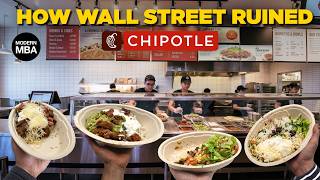
How One Hedge Fund Killed Chipotle
In this video, Modern MBA explores how a single Wall Street hedge fund orchestrated the rise and fall of Chipotle, highlighting the tension between founder idealism and investor pragmatism, ultimately leading to a devastating food safety crisis that reshaped the brand's trajectory.

How the West Lost to China in EVs
In this video, Modern MBA explores how Chinese electric vehicles have outpaced their Western counterparts through aggressive government support and innovation, highlighting the structural advantages that allow them to produce superior products at lower prices, while Western automakers struggle to keep up. The discussion emphasizes the importance of nationalism in shaping competitive industries and the need for a reevaluation of the U.S. market approach to foster innovation.

The Rigged Economics of Movie Theaters
Movie theaters, like airlines, are capital-intensive businesses with perishable inventory and one-sided supply chains, forcing consolidation and a focus on maximizing per-customer spend.

How Moneyball Ruined Your Favorite Snacks
The Moneyball effect in business has led companies to prioritize cost-cutting and optimization over product innovation, resulting in worse products and higher prices for consumers.