Modern MBA · Video summary
The Extinction of the American Buffet
The American buffet, once a symbol of affordable prosperity, has largely gone extinct. This article explores the rise and fall of the all-you-can-eat restaurant model, from its golden age in the 1980s and 90s to its current niche existence.

 Watch on YouTube ↗
Key takeaways
- 💰The American buffet's golden age in the 80s and 90s offered unlimited food at low prices, attracting families and casinos alike.00:00
- 🍽️The buffet model simplified restaurant operations, making it accessible for new entrepreneurs and focusing on quantity over individual dish quality.01:37
- 📉Economic stagnation in the 80s and 90s made buffets an attractive, fixed-cost dining option for squeezed middle-class families.06:00
- 📉Buffet chains struggled with declining sales due to lack of unique branding, rising labor costs, and inability to adapt to changing consumer preferences.09:28
- 🛒Supermarkets and fast-casual restaurants emerged as strong competitors, offering convenience and quality that traditional buffets couldn't match.26:10
- 🗑️The buffet's reliance on low-skill labor and high food waste made its unit economics unsustainable as minimum wages rose and consumer tastes evolved.32:20
Chapters
- 0:00The Golden Age of the American Buffet
- 0:55The Buffet's Appeal: Simplicity and Value
- 5:21Economic Shifts and the Buffet's Niche
- 13:50The Decline: Internal Flaws and External Pressures
- 40:05The Buffet's Extinction and Modern Replacements
The digest
The 1980s and 1990s marked the golden age of the American buffet. For a modest price, typically around $6 for lunch and $9 for dinner, Americans could indulge in an unlimited feast of beef, chicken, pasta, meatballs, potatoes, and desserts. Chains like Golden Corral, Fresh Choice, and Souplantation emerged, offering diverse menus from hearty steak and pot roast to healthier salads, soups, and frozen yogurt. This all-you-can-eat format quickly spread, even catching the attention of Las Vegas casinos, which began investing heavily in lavish buffets to attract tourists. The opening of the Rio's Carnival World Buffet in 1993, boasting over 300 items, ignited an arms race among casinos to offer the most extravagant buffet experiences on the Strip.
The Buffet's Appeal: Simplicity and Value
The dedicated buffet restaurant felt like a natural evolution of a growing industry trend. Established chains like Olive Garden and Pizza Hut had already found success with unlimited offerings, such as breadsticks, soup, salad, and lunch buffets. Even steakhouse chains like Ponderosa used endless sides and self-service salad bars to enhance their full-priced meat offerings. The key innovation of the 1980s was extending the unlimited format from an add-on to the entire restaurant concept. This model proved particularly appealing to first-generation Chinese immigrants, who found it a straightforward entry into the restaurant industry. Buffets simplified operations by eliminating the need for extensive menus, specialized servers, or high-level English proficiency. The focus was on batch cooking, reheating store-bought appetizers, and portioning factory-made desserts. Quality was secondary to quantity, and a wide variety ensured customer satisfaction even if a dish ran out or wasn't perfect. This model allowed a single family to run the entire kitchen, with customers serving themselves, all operating on high volume.
Keep reading in The Digest
The full 4-minute article, 3 more sections, and every new episode from Modern MBA and the creators you follow.
- Economic Shifts and the Buffet's Niche
- The Decline: Internal Flaws and External Pressures
- The Buffet's Extinction and Modern Replacements
More from Modern MBA
The American College Cartel
Modern MBA breaks down the business model of elite American universities, revealing how they operate more like luxury brands and cartels than educational institutions.
How One Hedge Fund Killed Chipotle
In this video, Modern MBA explores how a single Wall Street hedge fund orchestrated the rise and fall of Chipotle, highlighting the tension between founder idealism and investor pragmatism, ultimately leading to a devastating food safety crisis that reshaped the brand's trajectory.

How the West Lost to China in EVs
In this video, Modern MBA explores how Chinese electric vehicles have outpaced their Western counterparts through aggressive government support and innovation, highlighting the structural advantages that allow them to produce superior products at lower prices, while Western automakers struggle to keep up. The discussion emphasizes the importance of nationalism in shaping competitive industries and the need for a reevaluation of the U.S. market approach to foster innovation.

The Rigged Economics of Movie Theaters
Movie theaters, like airlines, are capital-intensive businesses with perishable inventory and one-sided supply chains, forcing consolidation and a focus on maximizing per-customer spend.
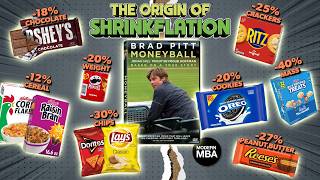
How Moneyball Ruined Your Favorite Snacks
The Moneyball effect in business has led companies to prioritize cost-cutting and optimization over product innovation, resulting in worse products and higher prices for consumers.

Why AI is a Repeat of the 1990s Dot-Com Bubble
The AI boom mirrors the 1990s dot-com bubble, driven by hype and speculative investment rather than organic demand, with key players repeating historical mistakes.