Tasting History with Max Miller · Video summary
The History of Baklava - The King of Sweets
Tasting History with Max Miller explores the rich and complex history of baklava, the "king of sweets," tracing its origins and evolution through centuries of culinary tradition.

 Watch on YouTube ↗
Key takeaways
- 🌰Baklava's filling has varied greatly throughout history, from lentils and beans to clotted cream and melon, though nuts became the most common.00:16
- 📜The 1844 Ottoman recipe for "ordinary baklava" emphasizes the natural flavors of nuts, honey, and clarified butter, without additional flavorings like rose water.02:25
- 💪Making phyllo dough from scratch is extremely difficult and time-consuming, leading many, including the video's host, to recommend buying it.03:33
- ❓The exact origin of baklava is unknown, with theories ranging from Greco-Roman placenta cake to Byzantine kopte and Turkic flatbreads, but no definitive evidence exists.09:36
- ✍️The first written mention of baklava in the 15th century shows it was already a well-known dish, requiring no explanation from the author.12:43
- 💰Baklava was initially a luxury in the Ottoman Empire due to the high cost of sugar and the immense labor required to roll out the thin dough sheets.13:13
Chapters
- 0:00Introduction to Baklava
- 0:43The 1844 Ottoman Baklava Recipe
- 5:00Ingredients and Phyllo Dough Tips
- 8:39Making the Syrup and Assembling the Baklava
- 14:51The Elusive History of Baklava
- 21:40Baklava as a Status Symbol and Celebration Food
- 28:10The Baklava Procession and The Auspicious Incident
- 32:09Baklava's Enduring Popularity and Taste Test
- 43:45Baklava During World War II and Conclusion
The digest
Baklava, the beloved layered pastry, holds a storied past as rich and intricate as its flavor. From ancient empires to modern-day tables, this "king of sweets" has captivated palates across the Mediterranean and Middle East. While its exact origins remain shrouded in mystery, its journey through history reveals a fascinating tale of culinary evolution, cultural exchange, and enduring delight.
The Anatomy of Baklava: A Recipe from the Ottoman Empire
At its core, baklava is a deceptively simple concept: thin layers of pastry baked around a filling, typically nuts, and then drenched in syrup. However, the variations are endless. During the later years of the Ottoman Empire, fillings could range from lentils and beans to clotted cream and even melon. Yet, the nut-filled version, often with hazelnuts, pistachios, or almonds, became the most common and enduring.
Mehmed Kâmil's 1844 cookbook, 'Melceü't-Tabbâhîn' (The Sanctuary of Cooks), provides a detailed recipe for "ordinary baklava." It calls for numerous sheets of yufka (phyllo dough), brushed with clarified butter or ghee every five sheets. After ten sheets, crushed nuts are sprinkled, followed by more pastry and butter, alternating until 40 to 60 layers are achieved, depending on the dough's thickness. The baklava is then cut into its characteristic diamond shape, drenched in hot clarified butter, and baked until golden brown. A crucial step is the syrup, made from sugar and honey, boiled to a thick consistency and poured over the hot baklava once it's out of the oven. This recipe emphasizes the natural flavors of nuts, honey, and ghee, foregoing additional flavorings like rose water or musk often found in other variations.
Keep reading in The Digest
The full 5-minute article, 4 more sections, and every new episode from Tasting History with Max Miller and the creators you follow.
- The Elusive Origins: Tracing Baklava's Ancestry
- Baklava in the Ottoman Empire: A Symbol of Status and Celebration
- The Baklava Procession and Its Demise
- Baklava's Enduring Legacy
More from Tasting History with Max Miller

Rye Bread Kvass from the Reign of Tsar Ivan the Terrible
Tasting History with Max Miller explores kvass, a traditional Eastern European fermented beverage, delving into its historical significance, cultural impact, and a 16th-century recipe from the reign of Ivan the Terrible.

What Italian Soldiers Ate in World War II
Tasting History with Max Miller explores the daily rations of Italian soldiers during World War II, cooking two recipes from a 1932 military cookbook and delving into the logistical challenges and changing diets faced by the troops.

Making 2,000 Years Of Mustard
Mustard is one of history's most consumed condiments. This article explores the long history of mustard while making three versions of mustard separated by nearly 2,000 years of history: an ancient Roman mustard, a medieval French mustard, and the mustard of Victorian England.

Potted Meat - How to Preserve Leftovers in the 18th Century
Tasting History with Max Miller explores the history of potted meat, a method of preserving cooked meat by pounding it into a paste, seasoning it, and sealing it under a layer of clarified butter or fat. This technique was a common way to extend the shelf life of leftovers before refrigeration.

History's Worst Copper Merchant & His 4000 Year Old Cake
Tasting History with Max Miller recreates a 4,000-year-old Sumerian cheesecake recipe, based on a cuneiform tablet from the Third Dynasty of Ur. The episode also delves into the infamous copper merchant Ea-nasir, whose ancient complaint letter has become a modern meme.
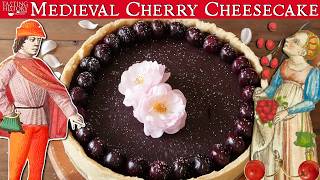
What Grocery Shopping Was Like in the Middle Ages
Tasting History with Max Miller explores medieval grocery shopping by recreating a 15th-century Italian cherry and rose cheesecake, delving into the fascinating history of markets, merchants, and food prices in the Middle Ages.