
Creator
Tasting History with Max Miller summaries
Every long episode from Tasting History with Max Miller, read in minutes: the key takeaways, the chapters, and a digest of the whole conversation. Click for more Tasting History Every Tuesday, I show you how to make a different historic dish while exploring the history surrounding it. Subscribe and join me as we Taste a bit of History. Order the Tasting History Cookbook at https://bit.ly/3GHL7wC Support the channel at https…

The History of Baklava - The King of Sweets
Tasting History with Max Miller explores the rich and complex history of baklava, the "king of sweets," tracing its origins and evolution through centuries of culinary tradition.

Rye Bread Kvass from the Reign of Tsar Ivan the Terrible
Tasting History with Max Miller explores kvass, a traditional Eastern European fermented beverage, delving into its historical significance, cultural impact, and a 16th-century recipe from the reign of Ivan the Terrible.

What Italian Soldiers Ate in World War II
Tasting History with Max Miller explores the daily rations of Italian soldiers during World War II, cooking two recipes from a 1932 military cookbook and delving into the logistical challenges and changing diets faced by the troops.

Making 2,000 Years Of Mustard
Mustard is one of history's most consumed condiments. This article explores the long history of mustard while making three versions of mustard separated by nearly 2,000 years of history: an ancient Roman mustard, a medieval French mustard, and the mustard of Victorian England.

Potted Meat - How to Preserve Leftovers in the 18th Century
Tasting History with Max Miller explores the history of potted meat, a method of preserving cooked meat by pounding it into a paste, seasoning it, and sealing it under a layer of clarified butter or fat. This technique was a common way to extend the shelf life of leftovers before refrigeration.

History's Worst Copper Merchant & His 4000 Year Old Cake
Tasting History with Max Miller recreates a 4,000-year-old Sumerian cheesecake recipe, based on a cuneiform tablet from the Third Dynasty of Ur. The episode also delves into the infamous copper merchant Ea-nasir, whose ancient complaint letter has become a modern meme.
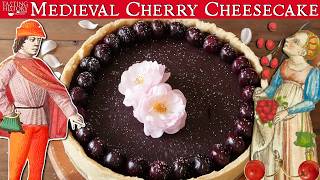
What Grocery Shopping Was Like in the Middle Ages
Tasting History with Max Miller explores medieval grocery shopping by recreating a 15th-century Italian cherry and rose cheesecake, delving into the fascinating history of markets, merchants, and food prices in the Middle Ages.

The Last Meal of the Evil Emperor Commodus
In this episode of Tasting History with Max Miller, the story of the evil emperor Commodus unfolds, detailing his tyrannical reign, obsession with gladiatorial games, and ultimately, his poisonous demise at the hands of his mistress. Max also prepares a dish inspired by Commodus' last meal, showcasing flavors from ancient Roman cuisine.

Hard Times Tomato Soup Cake
In this episode of Tasting History with Max Miller, he explores the unusual tomato soup cake, a recipe from the Great Depression that cleverly substitutes tomato soup for traditional ingredients, resulting in a surprisingly delicious dessert. Max demonstrates the baking process and reveals that the cake tastes much like carrot cake, despite its unconventional ingredients.

Pizza from 19th Century Naples
In this episode of Tasting History with Max Miller, he explores the origins of margarita pizza in 19th century Naples, debunking the popular tale of its creation for Queen Margarita while recreating a version based on historical descriptions. The video highlights the evolution of pizza from a poor man's food to a beloved dish, showcasing the diversity in toppings and preparation methods of the time.

What Medieval People Ate When Traveling
In this episode of Tasting History with Max Miller, viewers explore the medieval travel experience, focusing on the types of food travelers carried, such as pain ragoon, a pine nut and ginger candy, which was portable and nutritious for long journeys. The video also highlights the importance of planning ahead for food and safety while traveling in the Middle Ages.

The Corporate Bailout that caused The Boston Tea Party
In this episode of Tasting History with Max Miller, the creator explores the Boston Tea Party by discussing its historical context, including the corporate bailout of the British East India Company and the resulting protest against taxation without representation, while also preparing an 18th-century recipe for green tea caudle.

Pocket Soup for the 18th Century Traveler
In this episode of Tasting History with Max Miller, he explores the fascinating history and preparation of pocket soup, a portable broth popular among 18th and 19th-century travelers, including notable figures like Captain James Cook and Meriwether Lewis. Max demonstrates how to make this condensed meat essence, highlighting its significance in historical expeditions while also tasting the final product.

Feeding the Last Tsar of Russia - Pelmeni for Nicholas II
In this episode of Tasting History with Max Miller, the host explores the simple culinary preferences of Nicholas II, the last Tsar of Russia, by preparing traditional Siberian pelmeni—a type of beef dumpling that reflects the Tsar's modest tastes amidst his imperial lifestyle. The video highlights the contrast between opulent court cuisine and the Tsar's fondness for straightforward, hearty meals shared with family.
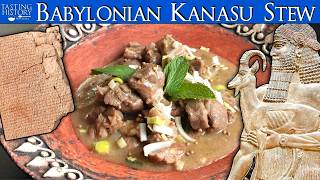
The Oldest Recipe in History - Hammurabi's Kanasu Stew
In this episode of Tasting History with Max Miller, he explores and recreates Kanosu stew, one of the oldest recipes dating back over 3,750 years to the reign of Hammurabi, while discussing the challenges of interpreting ancient culinary texts and the historical context of Babylonian food culture.

Tasting History's Top 20 Worst Recipes
In this video, Tasting History with Max Miller shares his top 20 worst recipes from the channel, highlighting dishes that were either difficult to make, unpleasant in taste, or both. He reflects on the unique challenges and experiences behind each recipe, emphasizing that even the worst dishes can lead to entertaining and memorable episodes.

Why is it called Welsh Rabbit (Rarebit)?
Explore the history and evolution of Welsh Rabbit (Rarebit), revealing its origins as a simple cheese on toast dish and its journey through culinary history.

Dining on the Supersonic Concorde
Explore the luxury dining experience on the Concorde, focusing on dishes like lobster and caviar, and understanding why speed was the ultimate luxury.
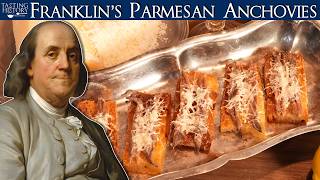
How to Eat Like Benjamin Franklin
Explore Benjamin Franklin's eating habits, from early vegetarianism and frugality to later indulgence, and his advocacy for American foods like turkey and cranberries.

The Brutal Life of a Medieval Butcher
Medieval butchers faced harsh regulations and public scrutiny. Spices were a luxury, not a mask for bad meat, and waste reduction was key due to numerous fasting days.

Making Shepherd’s Pie from an 1894 Recipe - Beef or Lamb?
Discover the historical origins and evolution of Shepherd's Pie, challenging modern assumptions about its ingredients and naming conventions.

Hatshepsut - The Pharaoh they tried to Erase from History
Explore the reign of Hatshepsut, a powerful female pharaoh who navigated political complexities and left a lasting legacy, while recreating an ancient Egyptian dessert.

Nikola Tesla's Weird Eating Habits
Explore Nikola Tesla's extreme eating habits, from germaphobia and obsessive hygiene to unique culinary creations and a late-life focus on longevity and controlling his diet.

What Did the Builders of Stonehenge Eat?
Explore Neolithic diets by recreating Stonehenge builder meals: honey-blackberry pork ribs and nettle-hazelnut soup, revealing insights into ancient food sources and preparation.