Tasting History with Max Miller · Video summary
Rye Bread Kvass from the Reign of Tsar Ivan the Terrible
Tasting History with Max Miller explores kvass, a traditional Eastern European fermented beverage, delving into its historical significance, cultural impact, and a 16th-century recipe from the reign of Ivan the Terrible.

 Watch on YouTube ↗
Key takeaways
- 🍞Kvass is a low-alcohol, acidic, fermented beverage popular in Eastern Europe, often made from bread, fruits, or vegetables.00:25
- ♻️Historically, kvass was a sustainable way to preserve food, turning stale bread or overripe fruit into a refreshing drink.01:08
- 📜The earliest known recipe for kvass comes from the 16th-century Domostroy, a Russian household management text.01:41
- ⚠️Fermentation requires a way for gas to escape; otherwise, the container will explode.04:10
- 🐄The yeasty sediment from kvass was historically saved to start new batches or used as animal feed, showcasing zero-waste practices.05:49
- 👩⚖️Kvass was consumed by all social classes and was considered non-alcoholic, even for women, who were otherwise forbidden from drinking alcohol.09:07
Chapters
- 0:00Introduction to Kvass
- 0:25What is Kvass?
- 2:18The Domostroy Recipe
- 5:50Making Kvass
- 10:41History of Kvass
- 18:33Kvass in the 18th & 19th Centuries
- 22:00Kvass in the 20th Century
- 30:32Tasting the Kvass
The digest
Kvass, a lightly fermented beverage popular across Eastern Europe, offers a unique taste of history, often described as drinking a fizzy loaf of bread. This low-alcohol, acidic drink was not only refreshing but also a marvel of sustainability, providing a way to preserve food in times when waste was not an option. From stale bread to overripe fruit, kvass transformed ingredients on the verge of spoiling into a palatable and enduring drink.
The Domostroy's Ancient Recipe
To recreate this historical beverage, we turn to one of the earliest surviving recipes from the 16th-century Domostroy, a Russian text offering guidance on household management during the reign of Tsar Ivan the Terrible. This foundational recipe, though vague, calls for four parts honey and an ordinary soft loaf, fermented without additional yeast. To bridge the gaps in these sparse instructions, later 18th and 19th-century recipes are consulted, suggesting proportions of 3 quarts (3 liters) of water, 1 pound of dark rye bread, and 2/3 cup (225 grams) of raw honey. The use of raw honey is crucial as it contains naturally occurring yeast, essential for fermentation in the absence of added commercial yeast. While the Domostroy suggests fresh bread, stale bread is more commonly used, and toasting it, a later innovation, enhances color and flavor.
Keep reading in The Digest
The full 4-minute article, 4 more sections, and every new episode from Tasting History with Max Miller and the creators you follow.
- The Fermentation Process
- Sustainability and Historical Uses
- A Rich and Varied History
- Tasting the Past
More from Tasting History with Max Miller

The History of Baklava - The King of Sweets
Tasting History with Max Miller explores the rich and complex history of baklava, the "king of sweets," tracing its origins and evolution through centuries of culinary tradition.

What Italian Soldiers Ate in World War II
Tasting History with Max Miller explores the daily rations of Italian soldiers during World War II, cooking two recipes from a 1932 military cookbook and delving into the logistical challenges and changing diets faced by the troops.

Making 2,000 Years Of Mustard
Mustard is one of history's most consumed condiments. This article explores the long history of mustard while making three versions of mustard separated by nearly 2,000 years of history: an ancient Roman mustard, a medieval French mustard, and the mustard of Victorian England.

Potted Meat - How to Preserve Leftovers in the 18th Century
Tasting History with Max Miller explores the history of potted meat, a method of preserving cooked meat by pounding it into a paste, seasoning it, and sealing it under a layer of clarified butter or fat. This technique was a common way to extend the shelf life of leftovers before refrigeration.

History's Worst Copper Merchant & His 4000 Year Old Cake
Tasting History with Max Miller recreates a 4,000-year-old Sumerian cheesecake recipe, based on a cuneiform tablet from the Third Dynasty of Ur. The episode also delves into the infamous copper merchant Ea-nasir, whose ancient complaint letter has become a modern meme.
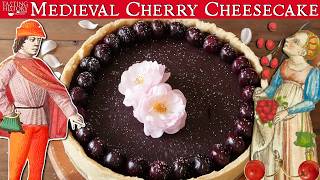
What Grocery Shopping Was Like in the Middle Ages
Tasting History with Max Miller explores medieval grocery shopping by recreating a 15th-century Italian cherry and rose cheesecake, delving into the fascinating history of markets, merchants, and food prices in the Middle Ages.