Tasting History with Max Miller · Video summary
Potted Meat - How to Preserve Leftovers in the 18th Century
Tasting History with Max Miller explores the history of potted meat, a method of preserving cooked meat by pounding it into a paste, seasoning it, and sealing it under a layer of clarified butter or fat. This technique was a common way to extend the shelf life of leftovers before refrigeration.

 Watch on YouTube ↗
Key takeaways
- 🍳Potted meat was a common way to preserve cooked leftovers before refrigeration, often used to prepare dinner for breakfast the next day.01:04
- 📜The 1747 recipe for potted venison involves baking the meat with butter, then pounding it into a paste with spices like mace, cloves, and nutmeg, and finally sealing it with clarified butter.02:35
- 💪Pounding the meat into a fine paste requires significant effort, often described as needing "plenty of elbow grease."05:05
- 🏺Smaller pots were preferred for potted meat because once the fat seal was broken, the entire contents needed to be consumed quickly to prevent spoilage.06:15
- 🥧Before ceramic pots were common, medieval "coffins" made of pastry were used to preserve meat, sealed with clarified butter or lard.10:48
- 🏭The industrialization of potted meat in the US led to unsanitary practices, exposed by Upton Sinclair's "The Jungle," which prompted the creation of the Pure Food and Drug Act.19:29
Chapters
- 0:00Introduction to Potted Meat
- 0:25What is Potted Meat?
- 1:49History of Potted Meat
- 3:24The Art of Cookery Recipe
- 5:10Ingredients for Potted Venison
- 5:38Cooking the Meat
- 7:01Preparing the Meat Paste
- 10:00Potting the Meat
- 15:09Clarifying the Butter
- 15:50Sealing the Potted Meat
- 16:59The History of Meat Preservation
- 17:25Potted Meat in Medieval Europe
- 18:25Potted Meat in the 17th Century
- 23:54Potted Meat for Travelers
- 28:15Industrialization of Potted Meat
- 32:09Upton Sinclair's The Jungle
- 37:15Tasting the Potted Meat
- 40:45Conclusion
The digest
Before the advent of refrigeration, preserving food was a constant challenge. While methods like salting, smoking, and drying could extend the life of meat for months or even years, they fundamentally altered its flavor and texture. For cooked meat, a different solution was needed: potted meat. This ingenious method involved pounding cooked meat into a paste, seasoning it, and then sealing it under a layer of clarified butter or other fat. This not only preserved the meat for a few weeks but also offered a convenient way to prepare leftovers for future meals.
The Art of Potting: A 1747 Recipe
The practice of potting meat dates back centuries, with recipes appearing in influential cookbooks. One such recipe, from Hannah Glasse's 1747 "The Art of Cookery, Made Plain and Easy," details how to pot venison. The process begins by baking a piece of venison (fat and lean together) with butter, then draining the hot liquor and removing the skin once it's cold. The meat is then beaten in a marble mortar until it forms a paste, seasoned with mace, cloves, nutmeg, black pepper, and salt. Finally, a little of the butter from baking is incorporated to moisten it, and the mixture is packed tightly into pots before being covered with clarified butter.
While the original recipe calls for venison, other meats like beef, game, lobster, or ham could also be potted. The key was to pound the meat into a fine paste, ensuring no air pockets remained, and then to create an airtight seal with fat. This method was not meant for long-term preservation like salting but rather for short-term storage, typically lasting a few weeks at most. It was particularly useful for making leftover dinner ready for breakfast or lunch the next day.
Keep reading in The Digest
The full 4-minute article, 3 more sections, and every new episode from Tasting History with Max Miller and the creators you follow.
- Beyond Meat: Potted Cheese and Mushrooms
- The Evolution of Preservation: From Coffins to Canning
- Potted Meat Goes Commercial: From Sainsbury's to Sinclair's "The Jungle"
More from Tasting History with Max Miller

The History of Baklava - The King of Sweets
Tasting History with Max Miller explores the rich and complex history of baklava, the "king of sweets," tracing its origins and evolution through centuries of culinary tradition.

Rye Bread Kvass from the Reign of Tsar Ivan the Terrible
Tasting History with Max Miller explores kvass, a traditional Eastern European fermented beverage, delving into its historical significance, cultural impact, and a 16th-century recipe from the reign of Ivan the Terrible.

What Italian Soldiers Ate in World War II
Tasting History with Max Miller explores the daily rations of Italian soldiers during World War II, cooking two recipes from a 1932 military cookbook and delving into the logistical challenges and changing diets faced by the troops.

Making 2,000 Years Of Mustard
Mustard is one of history's most consumed condiments. This article explores the long history of mustard while making three versions of mustard separated by nearly 2,000 years of history: an ancient Roman mustard, a medieval French mustard, and the mustard of Victorian England.

History's Worst Copper Merchant & His 4000 Year Old Cake
Tasting History with Max Miller recreates a 4,000-year-old Sumerian cheesecake recipe, based on a cuneiform tablet from the Third Dynasty of Ur. The episode also delves into the infamous copper merchant Ea-nasir, whose ancient complaint letter has become a modern meme.
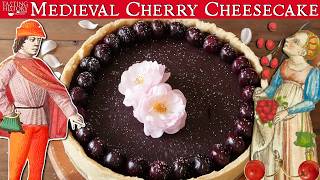
What Grocery Shopping Was Like in the Middle Ages
Tasting History with Max Miller explores medieval grocery shopping by recreating a 15th-century Italian cherry and rose cheesecake, delving into the fascinating history of markets, merchants, and food prices in the Middle Ages.