Modern MBA · Video summary
How Pizzerias Really Make Money
In New York City's competitive pizza market, independents thrive despite relentless competition, demonstrating that quality and differentiation are key to success.

 Watch on YouTube ↗
Key takeaways
- 🎯New York has the most competitive pizza market in the U.S., highlighting the need for differentiation.00:00
- 🚀Focus on differentiation strategies to stand out in competitive markets.00:22
- 💡Big chains like Domino's focus on volume and convenience, while independents can thrive on unique offerings and quality.05:47
- 🏆Successful pizzerias, like Pops Pizza, emphasize quality ingredients and customer experience to build a loyal following.10:22
- 🔥Innovative methods and fresh ingredients differentiate successful pizzerias from the mass production of chain competitors.10:29
- 📊Despite fierce competition, over 90% of independent pizzeras in NYC sustain operations, evidencing their resilience.14:02
Chapters
- 0:00🍕 Introduction to NYC Pizza Market
- 1:30📈 Business Insights Revealed
- 2:00🌍 California's Pizza Scene
- 4:00💼 Understanding Pizza Economics
- 5:00🏢 Real Estate and Location Strategy
- 11:00🔍 Challenges for New Pizzerias
- 14:00📊 Pops Pizza Success Story
- 19:00📉 Pizza Chain Dynamics
- 32:00🏆 Morino's Gourmet Approach
- 42:00🔗 Scaling Pizza Businesses
- 1:00:00🎯 Final Thoughts on Pizza Business
The digest
High-Level Overview
This analysis unpacks the business dynamics, competitive landscape, and financial realities of pizzerias in the United States, focusing primarily on New York City and California—the nation's two largest pizza markets. It explores how pizza shops, ranging from independent slice joints to multinational chains, operate profitably through low-cost ingredients, efficient processes, and strategic scaling. The discussion reveals the unique challenges and opportunities in different regions, contrasting New York’s ultra-competitive, tradition-rich environment with California’s innovative, health-conscious market. This insight is valuable for entrepreneurs, restaurateurs, and industry observers seeking to understand what drives pizza business success beyond mere product popularity.
Keep reading in The Digest
The full 7-minute article, 11 more sections, and every new episode from Modern MBA and the creators you follow.
- The Competitive Intensity of New York City’s Pizza Market
- The Contrast Between New York and California Pizza Scenes
- The Economics of Pizza: High Demand, Low Cost, and Scalability
- Dissecting the “Big Three” Chains: Domino’s, Pizza Hut, and Papa John’s
- Independent Pizzerias in NYC: Survival, Persistence, and the Path to Growth
- Morino: The Neapolitan Pizza Model and Its Premium Playbook
- Scaling Pizza: The Central Role of Production Efficiency and Economies of Scale
- The West Coast Pizza Market: Innovation Meets Health-Conscious Consumers
- Key Framework: The Pizza Business Profit Model
- Practical Implications & Takeaways
- Action-Oriented Summary
More from Modern MBA

The Extinction of the American Buffet
The American buffet, once a symbol of affordable prosperity, has largely gone extinct. This article explores the rise and fall of the all-you-can-eat restaurant model, from its golden age in the 1980s and 90s to its current niche existence.
The American College Cartel
Modern MBA breaks down the business model of elite American universities, revealing how they operate more like luxury brands and cartels than educational institutions.
How One Hedge Fund Killed Chipotle
In this video, Modern MBA explores how a single Wall Street hedge fund orchestrated the rise and fall of Chipotle, highlighting the tension between founder idealism and investor pragmatism, ultimately leading to a devastating food safety crisis that reshaped the brand's trajectory.

How the West Lost to China in EVs
In this video, Modern MBA explores how Chinese electric vehicles have outpaced their Western counterparts through aggressive government support and innovation, highlighting the structural advantages that allow them to produce superior products at lower prices, while Western automakers struggle to keep up. The discussion emphasizes the importance of nationalism in shaping competitive industries and the need for a reevaluation of the U.S. market approach to foster innovation.

The Rigged Economics of Movie Theaters
Movie theaters, like airlines, are capital-intensive businesses with perishable inventory and one-sided supply chains, forcing consolidation and a focus on maximizing per-customer spend.
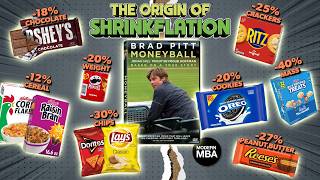
How Moneyball Ruined Your Favorite Snacks
The Moneyball effect in business has led companies to prioritize cost-cutting and optimization over product innovation, resulting in worse products and higher prices for consumers.