The Pragmatic Engineer · Video summary
Simon Willison: Engineering practices that make coding agents work - The Pragmatic Summit
Coding agents are transforming development. Focus on test-driven development (TDD), sandboxing, and template-driven development to leverage AI for higher quality, faster code.

 Watch on YouTube ↗
Key takeaways
- 💡The evolution of AI adoption for developers moves from basic chat assistance to coding agents that write significant portions of code, eventually leading to a paradigm where developers direct agents rather than writing code themselves.02:43
- 🚀Implement Test-Driven Development (TDD) by instructing coding agents to write tests first, ensuring they write minimal code and increasing the likelihood of functional output.06:21
- 🎯Moving beyond just passing automated tests, manual API exercising via tools like `curl` is crucial for uncovering bugs that test suites miss, ensuring real-world functionality.07:26
- 🚀Conformance-driven development leverages existing, language-agnostic test suites (like those for WebAssembly) to guide AI agents in building new implementations that adhere to a standard, effectively reverse-engineering specifications.08:38
- 📈Code quality is a choice; while AI can generate vast amounts of code, developers can actively improve it by directing agents to refactor and apply design patterns, potentially leading to code superior to manual implementation due to the AI's tireless nature.10:27
- 📚Utilizing template engines like Cookiecutter is key for establishing consistent code quality and structure. Agents will follow these established patterns, ensuring new code integrates seamlessly and maintains high standards from the outset.11:42
Chapters
- 0:04🎯 Introduction and Simon’s Background
- 1:10🎯 Simon's Developer Workflow in the Age of AI
- 2:41🎯 Transition to Coding Agents
- 5:17🎯 Automating Testing with AI
- 11:33🎯 Risks and Pitfalls: Prompt Injection & Lethal Trifecta
- 16:19🎯 Sandboxing and Security Strategies
- 19:40🎯 Evolution of AI and Development Practices
- 23:29🎯 Future of Development and Personal Experiences
- 25:40🎯 Recreating Django With Modern Tech
- 27:37🎯 Open Source in the Future
The digest
An expert perspective on how AI-driven coding agents are reshaping developer workflows, the critical engineering practices enabling their success, and the evolving landscape of software development in the AI era.
High Level Overview
Simon Willison, veteran open source contributor and co-creator of Django, shares insights into how AI coding agents are transforming software engineering. He highlights key practices—like test-driven development tailored for AI agents, sandboxing for security, and leveraging existing test suites as specifications—that allow these agents to deliver reliable code. Beyond technical methodologies, Simon reflects on the changing developer experience, the balancing act between trust and oversight, and the implications for open source software's future. This discussion is essential for developers, engineering leaders, and AI practitioners aiming to effectively integrate AI agents into their coding workflows while maintaining quality and security.
Keep reading in The Digest
The full 8-minute article, 15 more sections, and every new episode from The Pragmatic Engineer and the creators you follow.
- Developer Workflow in the Age of AI
- Trust and Code Review Evolution
- Key Engineering Practices for AI Coding Agents
- 1. Red-Green Test-Driven Development (TDD) Is Essential
- 2. Automated Manual Testing via the Agent
- 3. Leveraging Existing Language-Agnostic Conformance Test Suites
- 4. Maintaining Code Quality Through Feedback Loops
- Context Provision and Consistency
- Security Concerns and Mitigations
- Prompt Injection and the "Lethal Trifecta"
- Sandboxing as a Defense Mechanism
- Using Anonymized or Synthetic Test Data
- Evolution and Current State of AI Coding Agents
- The Developer Experience and Career Outlook
- Legacy and Open Source Implications
More from The Pragmatic Engineer

Scaling Uber with Thuan Pham (Uber’s first CTO)
Uber's former CTO Thuan Pham shares high-leverage lessons from scaling Uber, emphasizing necessity-driven engineering, the power of relationships, and the evolution of AI in software development.

Nicole Forsgren: Leading high-performing engineering teams in the age of AI - The Pragmatic Summit
AI accelerates coding but exposes systemic bottlenecks in reviews, deployments, and processes, requiring a focus on agent experience and human systems to maintain delivery speed and quality.
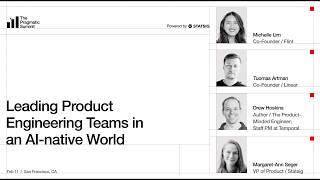
Product-minded engineers in an AI-native world
Product engineers focus on user impact and value, blending technical skills with product vision to build 10x better products.

Building WhatsApp with Jean Lee
WhatsApp's success stemmed from extreme focus, minimal process, and a grandma-first quality standard, enabling a small team to build a global product.

From IDEs to AI Agents with Steve Yegge
AI is rapidly changing software engineering, moving from code completion to agent orchestration. This shift necessitates adaptation, impacting job roles, company structures, and the very definition of productivity.

Uber: Leading engineering through an agentic shift - The Pragmatic Summit
Uber's agentic AI shift leverages AI to augment engineers, moving from automating toil to enabling superhuman productivity and focusing on creative work.