The Pragmatic Engineer · Video summary
Scaling Uber with Thuan Pham (Uber’s first CTO)
Uber's former CTO Thuan Pham shares high-leverage lessons from scaling Uber, emphasizing necessity-driven engineering, the power of relationships, and the evolution of AI in software development.

 Watch on YouTube ↗
Key takeaways
- 📈The economic viability and market readiness of a technology are as crucial as the technology itself; brilliant innovations can fail if they are too far ahead of their time or too expensive.11:21
- ⚡Focusing solely on growth without a path to profitability can be fatal, as demonstrated by the dot-com bust where companies prioritizing market share over sustainable business models faltered.15:00
- 🧠Continuously invest in your own skills and avoid complacency, as the world and technology evolve rapidly; great talent remains marketable even in downturns.20:20
- 📚Continuous learning and avoiding complacency are essential; the world moves faster, and standing still means falling behind, especially in rapidly evolving fields like software engineering and AI.20:23
- 🔍Career progression is often driven by relationships built through consistent, good work, rather than active networking; people remember and reach out when opportunities arise.27:02
- 🤝Cultivate strong professional relationships by consistently doing good work and being helpful; these relationships will be a significant asset for future opportunities.27:02
Chapters
- 0:00🎯 Introduction to scaling Uber
- 2:04🎯 Thuan Pham's early life and career start
- 7:47🎯 First professional roles and experiences
- 11:23🎯 Lessons from tech trials and errors
The digest
High Level Overview
This conversation with Thuan Pham, Uber’s first CTO, reveals how Uber navigated explosive growth, technical debt, and organizational scaling. From rewriting foundational systems under severe time constraints to launching in challenging markets like China, and evolving engineering culture and architecture, Thuan shares lessons on adapting technology and leadership to hypergrowth and complexity. The insights are valuable for engineering leaders, startup founders, and technologists managing rapid scaling or complex distributed systems.
Keep reading in The Digest
The full 8-minute article, 7 more sections, and every new episode from The Pragmatic Engineer and the creators you follow.
- Career Origins and Tech Beginnings
- Transition to Leadership and VMware Experience
- Joining Uber: Scaling Through Chaos
- Launching Uber China in Record Time
- Uber’s Architecture Evolution: Programs, Platforms, and Microservices
- Practical Implications & Takeaways
- Action-Oriented Summary
More from The Pragmatic Engineer

Nicole Forsgren: Leading high-performing engineering teams in the age of AI - The Pragmatic Summit
AI accelerates coding but exposes systemic bottlenecks in reviews, deployments, and processes, requiring a focus on agent experience and human systems to maintain delivery speed and quality.
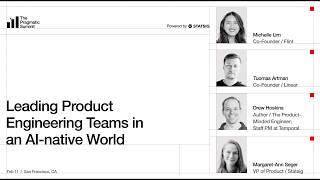
Product-minded engineers in an AI-native world
Product engineers focus on user impact and value, blending technical skills with product vision to build 10x better products.

Simon Willison: Engineering practices that make coding agents work - The Pragmatic Summit
Coding agents are transforming development. Focus on test-driven development (TDD), sandboxing, and template-driven development to leverage AI for higher quality, faster code.

Building WhatsApp with Jean Lee
WhatsApp's success stemmed from extreme focus, minimal process, and a grandma-first quality standard, enabling a small team to build a global product.

From IDEs to AI Agents with Steve Yegge
AI is rapidly changing software engineering, moving from code completion to agent orchestration. This shift necessitates adaptation, impacting job roles, company structures, and the very definition of productivity.

Uber: Leading engineering through an agentic shift - The Pragmatic Summit
Uber's agentic AI shift leverages AI to augment engineers, moving from automating toil to enabling superhuman productivity and focusing on creative work.