The Team House · Podcast summary
The CIA’s "Secret" Moscow Trip & Putin’s Growing Problems | EYES ON GEOPOLITICS
Jonathan Hackett and Mick Mulroy discuss the recent trip by the CIA Director to Moscow, the ongoing war in Ukraine, and the internal political dynamics within Russia and Iran.

 Listen on the show ↗
Key takeaways
- ✈️The CIA Director's trip to Moscow, despite being labeled "secret," was likely a deliberate signal due to its public tracking through open-source intelligence.00:39
- ⚔️Russia's GRU (military intelligence) is responsible for aggressive, covert actions like poisonings and sabotage, distinct from the SVR's (foreign intelligence) espionage.02:53
- 💡The primary purpose of the trip was likely to convey sensitive intelligence regarding Russia's potential challenge to a NATO country, rather than merely reiterating known facts.03:11
- 🇪🇪Estonian intelligence has a strong track record of accurately predicting Russian actions, including the 2022 invasion of Ukraine, making their assessments highly credible.06:08
- 🌐In the age of Twitter and advanced transponder tracking, true secrecy for high-profile diplomatic movements is nearly impossible, suggesting deliberate leaks for strategic messaging.00:55:00
- 💪The US possesses the military capability to defend NATO, and it's a matter of prioritization and strategic repositioning of resources.01:01:01
Chapters
- 0:00Introduction: The CIA Director's Moscow Trip
- 0:14Was the Trip Truly Secret?
- 0:57Reasons Behind the Trip: Intelligence or Diplomacy?
- 3:20The Strategic Message to Russia
- 17:36US Military Capability and NATO Defense
- 38:19The Roles of Russian Intelligence Agencies
- 43:46Russia's Internal Stability and Elite Discontent
- 53:43Economic Pressures and Future Escalations
- 1:29:53Conclusion: A Complex Geopolitical Landscape
The digest
In a recent episode of Eyes on Geopolitics, hosts Jonathan Hackett and Mick Mulroy, joined by Andy, delved into the intricacies of the CIA Director's recent trip to Moscow, the ongoing conflict in Ukraine, and the internal political and economic pressures facing Russia and Iran. The discussion highlighted the strategic implications of these events, emphasizing the role of intelligence, diplomacy, and military preparedness in the current geopolitical landscape.
The “Secret” Trip to Moscow: A Deliberate Leak?
The conversation kicked off with a critical examination of the CIA Director's trip to Moscow, which, despite being labeled "secret," was widely telegraphed through open-source intelligence (OSINT) accounts tracking plane data. Jonathan Hackett questioned the secrecy, noting that the entire journey was essentially public knowledge. Mick Mulroy and Andy concurred, suggesting that the trip was likely intended to be known, serving as a deliberate signal rather than a clandestine operation.
Andy highlighted that in the age of Twitter and advanced transponder tracking, true secrecy for such high-profile movements is nearly impossible. He drew a parallel to historical diplomatic missions, such as Nixon and Kissinger's secret trip to China, emphasizing how technology has fundamentally altered the nature of covert operations. Mick Mulroy added that the US possesses non-descript jets for truly covert travel, further supporting the idea that the public nature of this trip was intentional.
The consensus was that the trip was primarily about intelligence, with the CIA Director meeting the heads of Russia's FSB and SVR. Mick Mulroy speculated that the visit aimed to convey specific intelligence regarding Russia's potential challenge to a NATO country, particularly given the ongoing conflict in Ukraine. He argued that such a high-level, in-person meeting was unnecessary for simply reiterating known facts about Russia's struggles in Ukraine or its support for Iran. Instead, it was likely to deliver sensitive information that the US knew about Russia's intentions, particularly concerning a potential escalation against a NATO member.
Keep reading in The Digest
The full 5-minute article, 4 more sections, and every new episode from The Team House and the creators you follow.
- Russia’s Internal Dynamics and External Aggression
- The Role of Intelligence Agencies and Covert Actions
- US Military Capabilities and NATO Preparedness
- Economic Pressures and the Future of the Conflicts
More from The Team House
Inside the CIA, the White House & the Intelligence Purges | Julia Curlee
Julia Curlee, a former CIA analyst and Presidential Daily Briefer, shares her journey from war zones to the White House and the challenges of being a transgender officer amid political purges.
Terror Plot Stopped Near RAF Fairford | EYES ON GEOPOLITICS
Jonathan Hackett, Mark Polymeropoulos, and Andy Milburn analyze the foiled terror plot near RAF Fairford and the broader geopolitical tensions involving Iran, the UK, and US allies.
Inside the FBI Hostage Rescue Team | Kyle Vowinkel
Kyle Vowinkel, former FBI Hostage Rescue Team operator and Crisis Negotiation Unit member, shares his journey from West Point to elite tactical and negotiation roles, revealing leadership lessons and high-stakes operations.
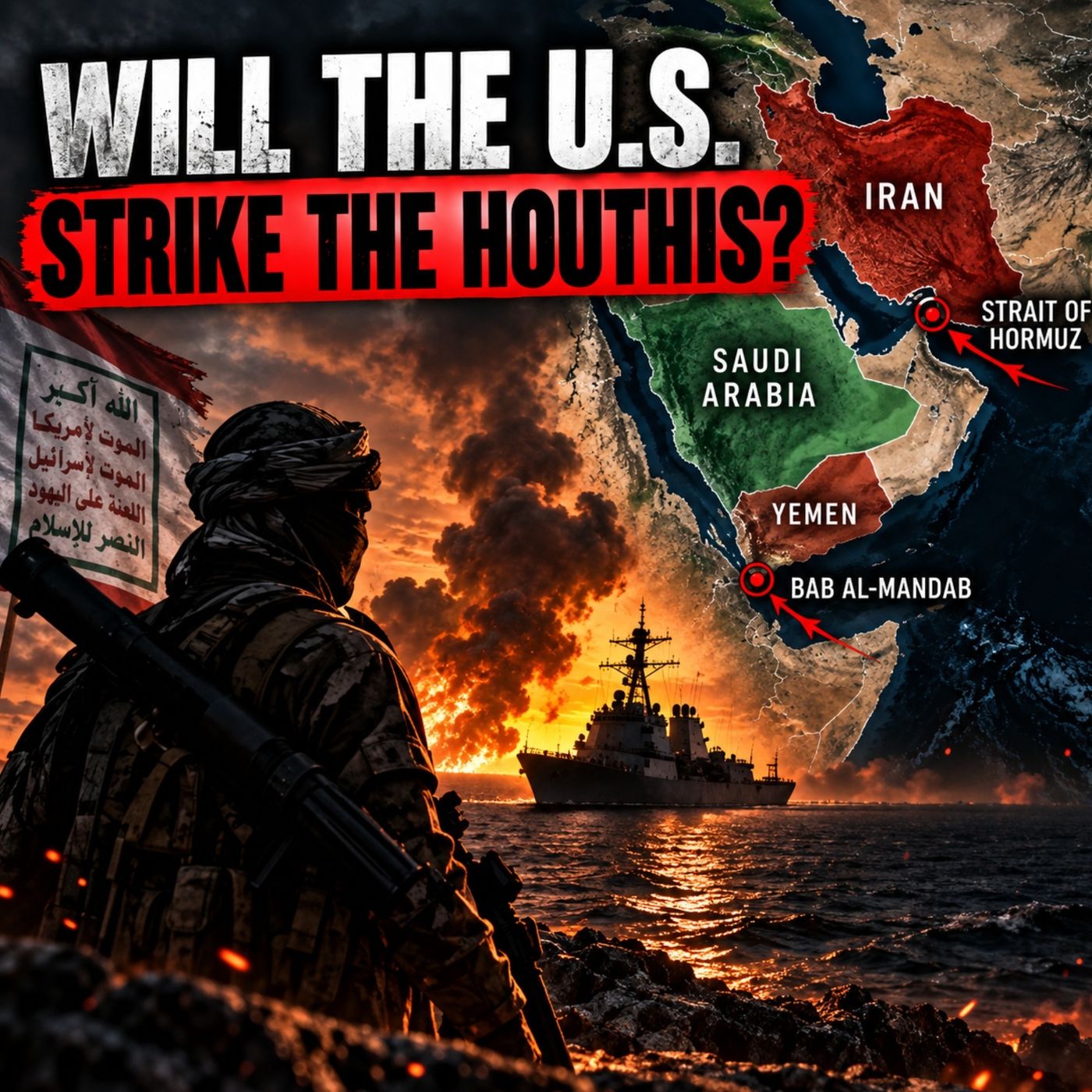
Will the U.S. Strike the Houthis For Saudi Arabia? | EYES ON GEOPOLITICS
This episode of Eyes on Geopolitics features Jonathan Hack, Mark Polymeropoulos, Mick Mulroy, and Andy Milburn discussing the escalating tensions in the Middle East, particularly focusing on the Houthis' attacks on Saudi Arabia and the potential U.S. response, as well as broader geopolitical shifts and the implications for global energy markets and alliances.
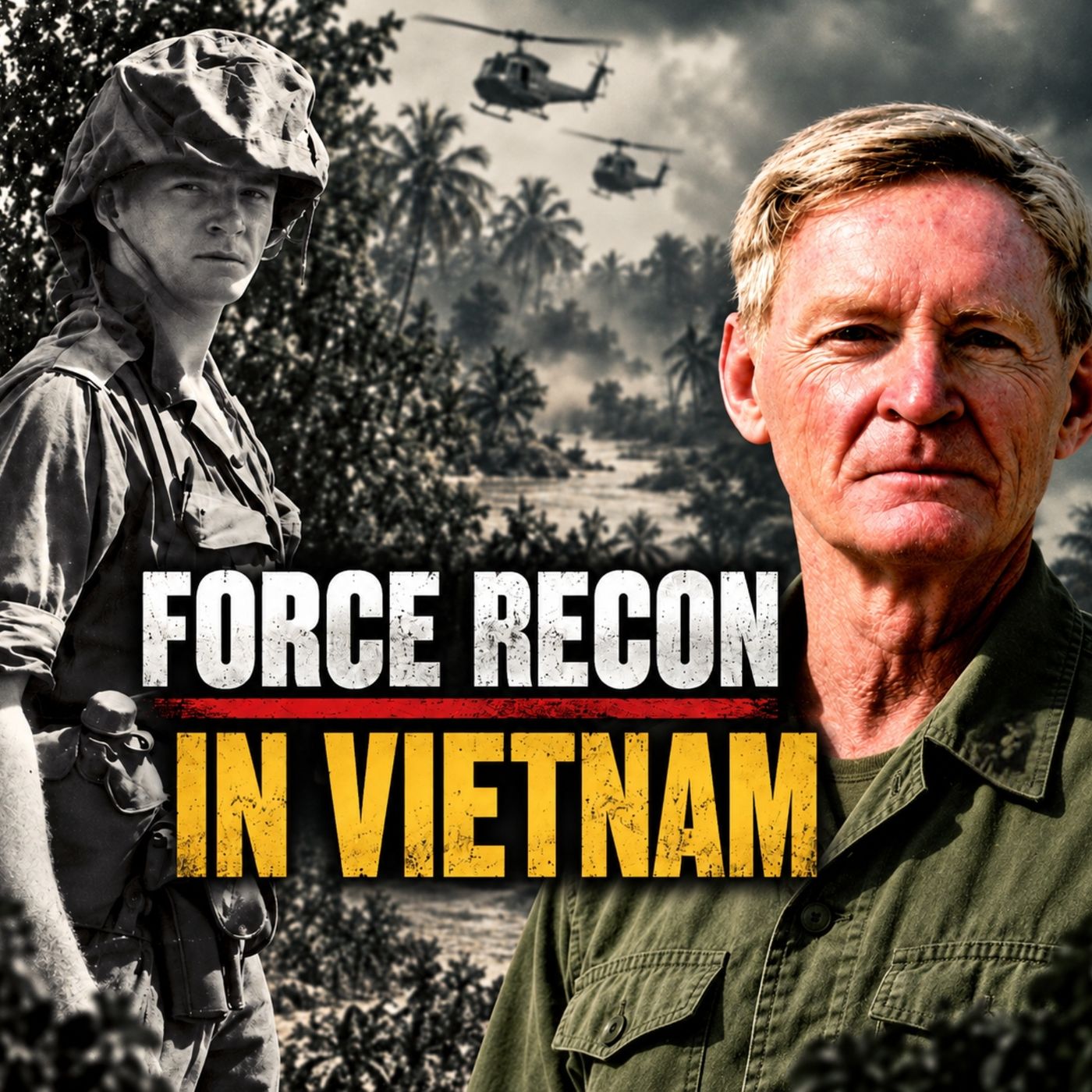
Force Recon in Vietnam & Is WW3 Actually Possible? | Bing West
Bing West, a Marine Corps Colonel and former Assistant Secretary of Defense for International Security Affairs, discusses his experiences as a Force Recon Marine in Vietnam, the strategic blunders of the Vietnam War, and his insights into the future of warfare and American foreign policy.
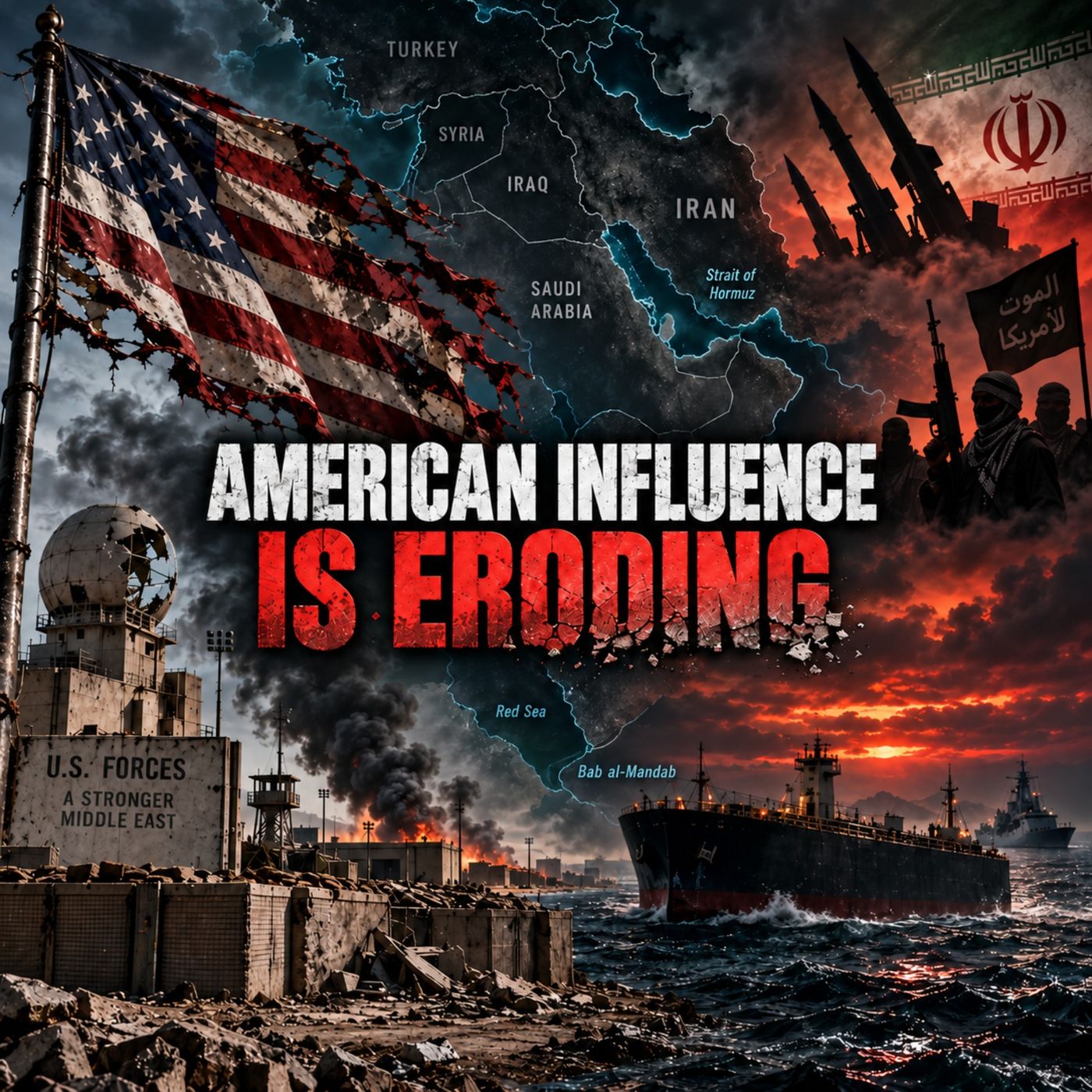
Is America's Influence Eroding? | EYES ON GEOPOLITICS
Jack Murphy and John Hackett join the podcast to discuss the erosion of American influence globally, from the Middle East to the South China Sea, and the rise of new geopolitical dynamics.