The Team House · Podcast summary
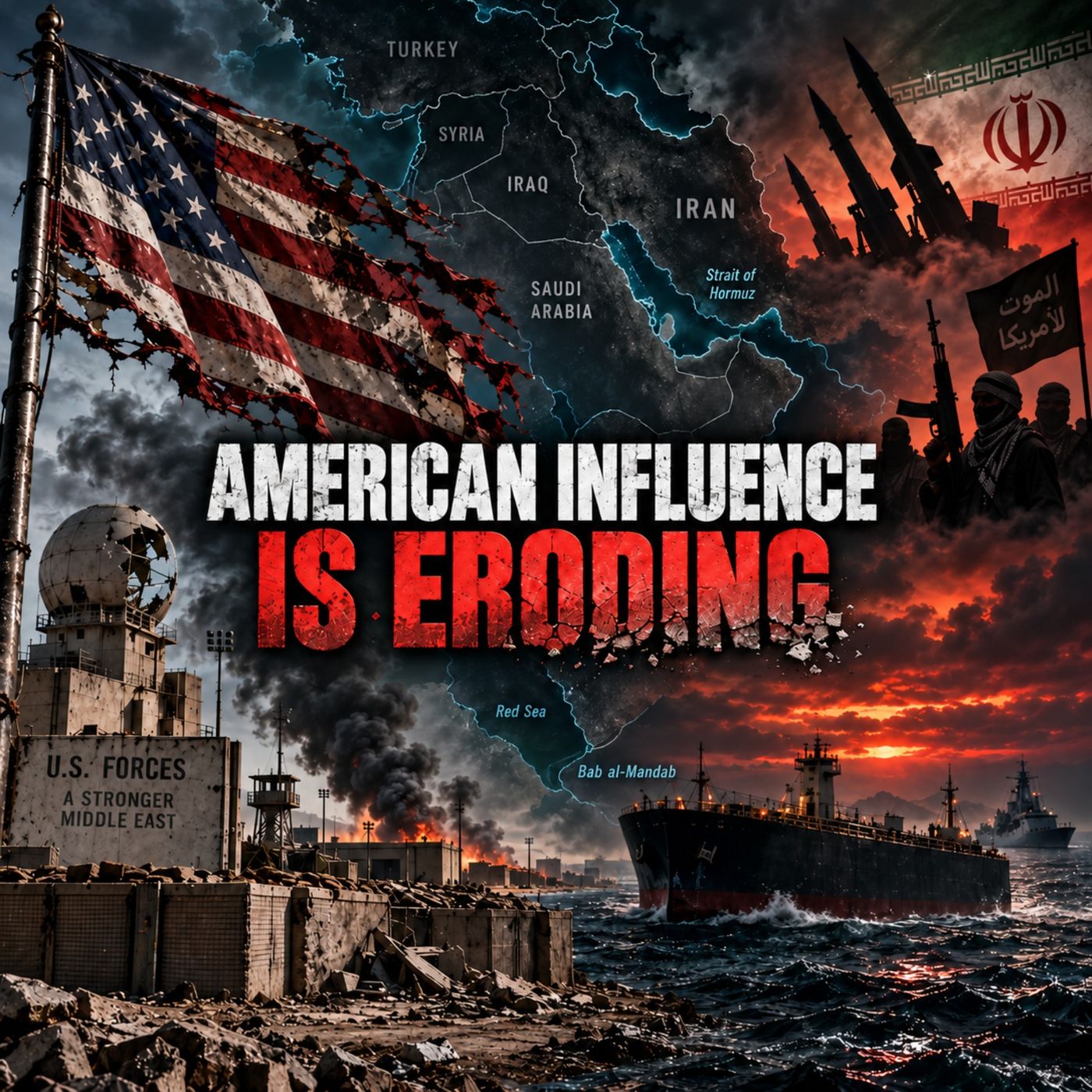
Is America's Influence Eroding? | EYES ON GEOPOLITICS
Jack Murphy and John Hackett join the podcast to discuss the erosion of American influence globally, from the Middle East to the South China Sea, and the rise of new geopolitical dynamics.

 Listen on the show ↗
Key takeaways
- 🕵️Espionage is increasingly leveraging the 'gig economy,' with unwitting individuals performing surveillance tasks, blurring the lines of traditional intelligence operations.1:33
- ⚓The US Fifth Fleet Headquarters in Bahrain is effectively abandoned and likely destroyed, signaling a significant weakening of American military presence in the Middle East.1:44
- 🇮🇷Iran has strategically outmaneuvered the US in the Middle East, a reality many in the American government are reluctant to acknowledge.1:50
- 🤝The Houthis' direct negotiations with the US indicate a shift in power dynamics, as a tribal group with limited resources gains leverage against a global superpower.2:58
- 🇸🇾The Syrian conflict exposed the pitfalls of poorly planned covert actions, with US-supplied weapons often ending up in the wrong hands and 'moderate rebels' proving unreliable.3:22
- 🇷🇺Russian-speaking groups are actively grooming children online to commit acts of self-harm and violence, using blackmail and compromising videos as tools for recruitment.4:19
Chapters
- 0:15Introduction: America's Eroding Influence
- 0:26Russian Indictments and Hybrid Warfare
- 1:58Havana Syndrome and Gig Economy Espionage
- 5:30Russian Networks and Youth Recruitment
- 8:26KGB Tactics: Direct vs. Influenced Terrorism
- 10:17Chinese Agents of Chaos in the US
- 22:18US Military Bases in the Middle East: A Strategic Defeat?
- 41:41The Rise of the Houthis and Regional Power Shifts
- 51:26The Syrian Conflict: A Case Study in Disorganized Intervention
- 1:10:00Yemen: A Complex Web of Alliances and Conflicts
- 1:22:08Conclusion: The Future of American Influence
The digest
In a recent episode of Eyes on Geopolitics, hosts Jack Murphy and John Hackett delved into the complex and rapidly changing landscape of global power dynamics, questioning whether America's influence is eroding and how various state and non-state actors are adapting to this shift. The discussion covered everything from Russian and Chinese hybrid warfare tactics to the evolving situation in the Middle East and the strategic implications for US military presence.
The Shifting Sands of Espionage: Gig Economy and Hybrid Warfare
Jack Murphy kicked off the discussion by highlighting a significant change in espionage in the 21st century: its move to the gig economy. He noted that intelligence operations are increasingly relying on unwitting or semi-witting individuals recruited through unconventional means. Murphy cited the Havana Syndrome investigations, where victims were reportedly followed and photographed by individuals, some of whom were seemingly ordinary people like Bangladeshi DoorDash drivers, unknowingly involved in surveillance. This phenomenon extends to state-linked actors attempting to hijack organic youth-driven networks for recruitment into violent activities, as seen with Russian-speaking groups grooming children online to commit self-harm and other acts of violence. Murphy also pointed out that these tactics are not exclusive to Russia, with reports of Chinese agents of chaos operating in the United States, often leveraging individuals with seemingly innocuous backgrounds, like a Chinese-American man living out of his minivan and selling ghost guns in New York City.
John Hackett added that this recruitment strategy is reminiscent of how intelligence agencies cultivate assets, starting with small, seemingly harmless tasks that gradually build dependency and commitment. He provided an example from Israel, where an older Jewish man was recruited online by Iran's Ministry of Intelligence, forming a fake romantic relationship to coerce him into photographing military installations. This gradual escalation, from simple tasks to more serious actions, is a hallmark of modern intelligence recruitment, making it difficult to identify and counter.
Keep reading in The Digest
The full 5-minute article, 4 more sections, and every new episode from The Team House and the creators you follow.
- The Middle East: A Retreat or a Reassessment?
- The Rise of the Houthis and the Shifting Balance of Power
- The Syrian Quagmire: A Case Study in Disorganized Intervention
- The Erosion of Trust and the Rise of Regional Powers
More from The Team House
Inside the CIA, the White House & the Intelligence Purges | Julia Curlee
Julia Curlee, a former CIA analyst and Presidential Daily Briefer, shares her journey from war zones to the White House and the challenges of being a transgender officer amid political purges.
Terror Plot Stopped Near RAF Fairford | EYES ON GEOPOLITICS
Jonathan Hackett, Mark Polymeropoulos, and Andy Milburn analyze the foiled terror plot near RAF Fairford and the broader geopolitical tensions involving Iran, the UK, and US allies.

Inside the FBI Hostage Rescue Team | Kyle Vowinkel
Kyle Vowinkel, former FBI Hostage Rescue Team operator and Crisis Negotiation Unit member, shares his journey from West Point to elite tactical and negotiation roles, revealing leadership lessons and high-stakes operations.
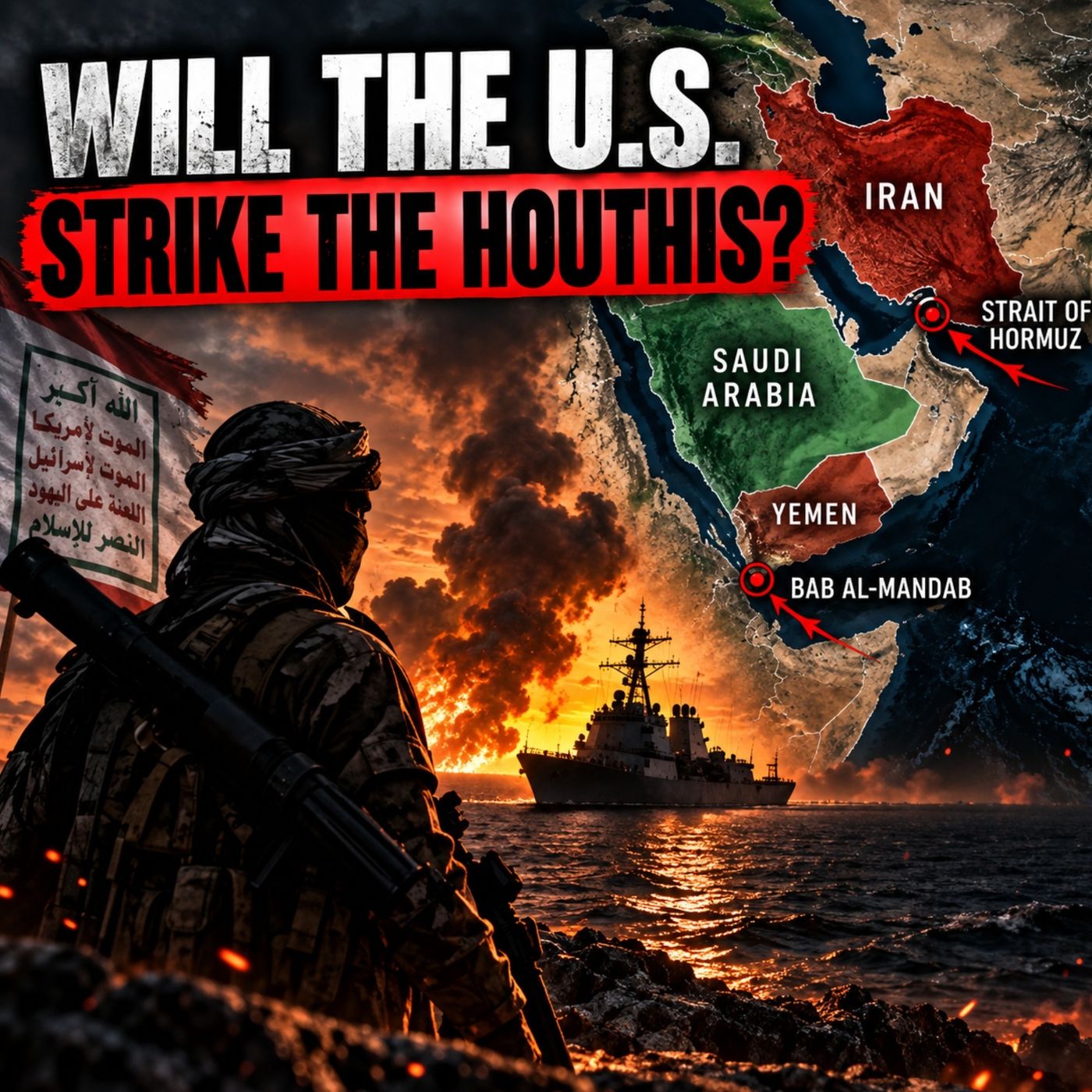
Will the U.S. Strike the Houthis For Saudi Arabia? | EYES ON GEOPOLITICS
This episode of Eyes on Geopolitics features Jonathan Hack, Mark Polymeropoulos, Mick Mulroy, and Andy Milburn discussing the escalating tensions in the Middle East, particularly focusing on the Houthis' attacks on Saudi Arabia and the potential U.S. response, as well as broader geopolitical shifts and the implications for global energy markets and alliances.
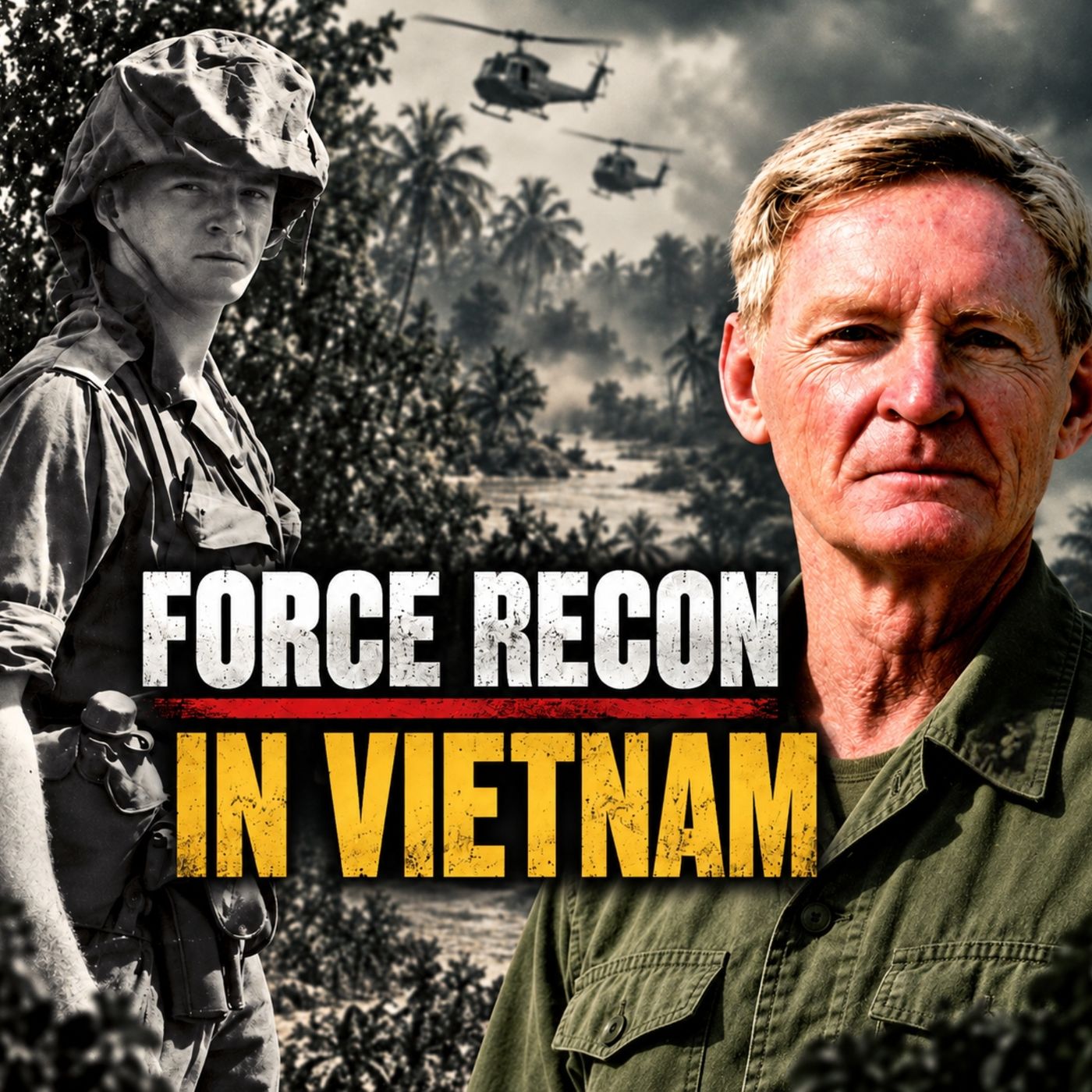
Force Recon in Vietnam & Is WW3 Actually Possible? | Bing West
Bing West, a Marine Corps Colonel and former Assistant Secretary of Defense for International Security Affairs, discusses his experiences as a Force Recon Marine in Vietnam, the strategic blunders of the Vietnam War, and his insights into the future of warfare and American foreign policy.
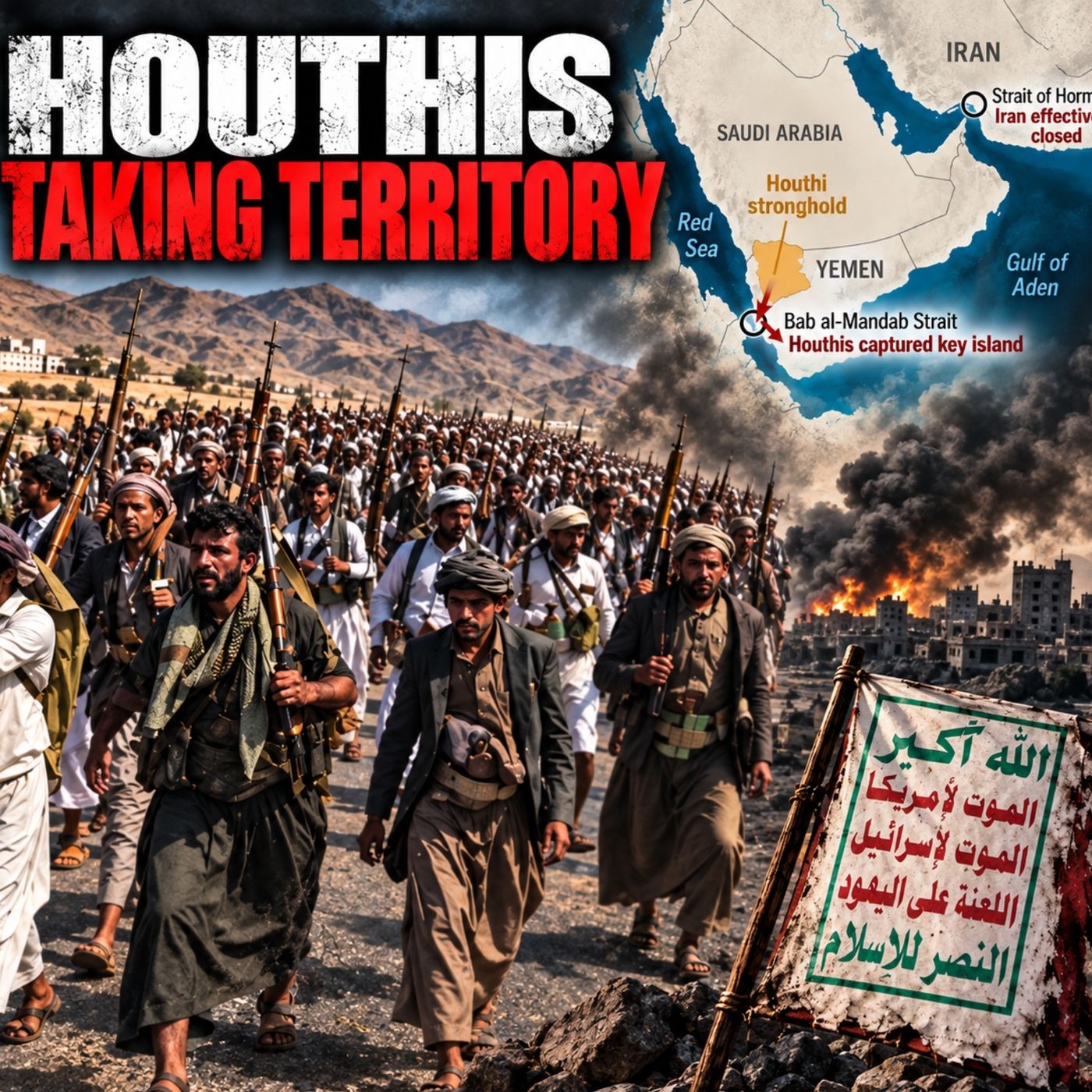
The Houthis Are Winning & AI Is Making Them More Dangerous | EYES ON GEOPOLITICS
The Houthis are making significant gains in Yemen, leveraging AI to enhance their military capabilities, while the US's shifting foreign policy in the Middle East is creating new diplomatic challenges.