The Team House · Podcast summary
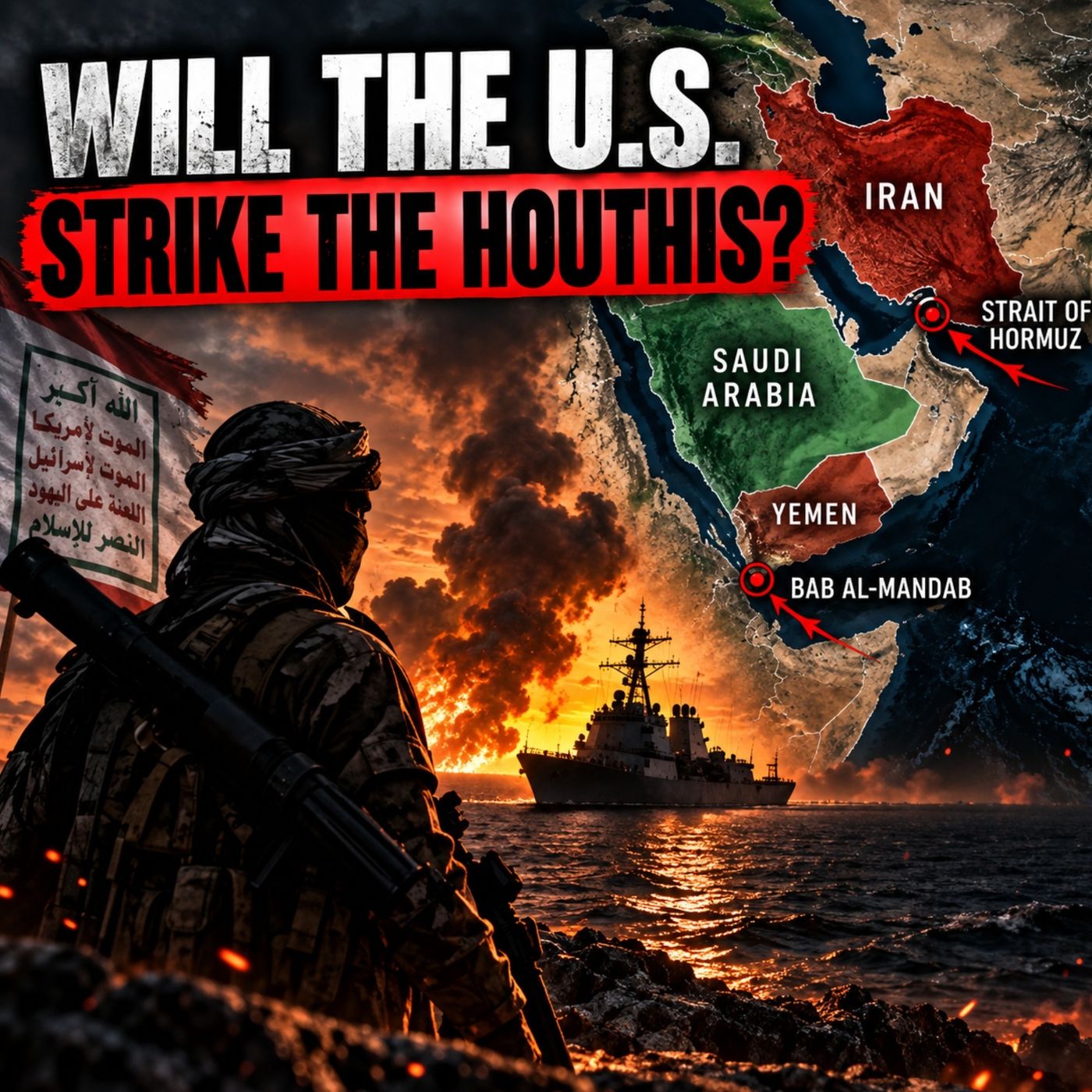
Will the U.S. Strike the Houthis For Saudi Arabia? | EYES ON GEOPOLITICS
This episode of Eyes on Geopolitics features Jonathan Hack, Mark Polymeropoulos, Mick Mulroy, and Andy Milburn discussing the escalating tensions in the Middle East, particularly focusing on the Houthis' attacks on Saudi Arabia and the potential U.S. response, as well as broader geopolitical shifts and the implications for global energy markets and alliances.

 Listen on the show ↗
Key takeaways
- 🤝The U.S. has a ceasefire agreement with the Houthis, affirmed last week in Oman, where the U.S. requested them not to close the Bab-el-Mandeb Strait.03:55
- 🏝️The Houthis are now in a better position to close the Bab-el-Mandeb Strait, having taken over key islands around it, giving them significant leverage.04:12
- 💪The Houthis are arguably the most capable of Iran's proxies, with a greater indigenous capability to manufacture and sustain their systems than Hezbollah.09:00
- ⚠️If the U.S. does not come to Saudi Arabia's defense against Houthi attacks, it could have disastrous consequences for U.S. alliances in the Gulf.13:28
- 🚫The Trump administration's negotiation with the Houthis, a designated terrorist group, while turning down allies, is seen as violating long-standing U.S. policy.13:44
- 🇸🇦Saudi Arabia, being the size of Western Europe, faces immense challenges in protecting its numerous sensitive sites, including cities, oil sites, and Mecca, from Houthi attacks.16:41
Chapters
- 1:01Introduction to Geopolitical Tensions
- 1:54The Houthi Threat and U.S. Response
- 5:46Mick Mulroy's Insights on Houthi Capabilities and U.S. Agreements
- 10:08Andy Milburn's Perspective on Houthi Leverage and Regional Dynamics
- 21:34Mark Polymeropoulos on U.S. Credibility and Alliance Implications
- 1:18:51The Ukraine Conflict and European Preparedness
- 1:36:44Global Distractions and North Korea's Opportunism
- 1:40:00The Future of U.S. Alliances and Global Power Dynamics
The digest
In a recent episode of "Eyes on Geopolitics," hosts Jonathan Hack, Mark Polymeropoulos, Mick Mulroy, and Andy Milburn delved into the escalating geopolitical tensions across multiple fronts, with a primary focus on the Middle East, the ongoing conflict in Ukraine, and the broader implications for global alliances and energy markets.
The Houthi Threat and U.S. Policy in the Middle East
The discussion began with the immediate crisis in the Middle East, specifically the Houthis' consistent attacks on Saudi Arabia. Jonathan Hack initiated the conversation by highlighting the significant developments, including the buzzing activity on Twitter regarding a potential U.S. response. He noted that a B1-B bomber from the UK was rumored to be en route to Yemen or Iran, causing widespread panic on social media. The central question revolved around whether the U.S. would intervene militarily to defend Saudi Arabia, potentially escalating the conflict.
Mick Mulroy, a former CIA officer, provided crucial context, revealing that the U.S. has a ceasefire agreement with the Houthis, affirmed just last week in Oman. He stated that the U.S. had requested the Houthis not to close the Bab-el-Mandeb Strait, a critical chokepoint. Mulroy emphasized that the Houthis are now in a stronger position to do so, having taken over key islands around the strait. The dilemma for the U.S. is whether to join militarily with the Saudis, potentially rupturing this agreement and leading to further escalation beyond just striking the Abqaiq-Yanbu petroline or attacking Saudi ships. Mulroy warned that if the Houthis were to target every ship, including those carrying the 21% of the world's energy supply through the Strait of Hormuz, it would lead to serious problems. He also highlighted the vulnerability of the Yanbu pipeline, which has been struck again, further impacting oil supplies.
Andy Milburn, a retired Marine Corps colonel, added that the Houthis are arguably the most capable of Iran's proxies. He noted that they have a greater indigenous capability to manufacture and sustain their systems than Hezbollah or any other proxy. Milburn explained that the Houthis are realizing their growing power in the region, similar to how Iran discovered the importance of the Strait of Hormuz. They are now directly negotiating with the U.S. and hosting visits from the IRGC, indicating a strong position to "call some shots" vis-à-vis Saudi Arabia and the Bab-el-Mandeb. He suggested that the Houthis might be trying to purchase security through negotiations with the U.S., not just against the Saudis but also against other Salafi-jihadist groups like Al-Qaeda in Eastern Yemen. Milburn concluded that the Houthis control over 250 miles of coastline, almost a third of which is within range of their anti-ship missiles, giving them significant leverage.
Keep reading in The Digest
The full 7-minute article, 4 more sections, and every new episode from The Team House and the creators you follow.
- Economic and Political Repercussions of Inaction
- The Ukraine Conflict and European Concerns
- Broader Geopolitical Shifts and Alliances
- The Future of U.S. Engagement
More from The Team House
Inside the CIA, the White House & the Intelligence Purges | Julia Curlee
Julia Curlee, a former CIA analyst and Presidential Daily Briefer, shares her journey from war zones to the White House and the challenges of being a transgender officer amid political purges.
Terror Plot Stopped Near RAF Fairford | EYES ON GEOPOLITICS
Jonathan Hackett, Mark Polymeropoulos, and Andy Milburn analyze the foiled terror plot near RAF Fairford and the broader geopolitical tensions involving Iran, the UK, and US allies.
Inside the FBI Hostage Rescue Team | Kyle Vowinkel
Kyle Vowinkel, former FBI Hostage Rescue Team operator and Crisis Negotiation Unit member, shares his journey from West Point to elite tactical and negotiation roles, revealing leadership lessons and high-stakes operations.
Force Recon in Vietnam & Is WW3 Actually Possible? | Bing West
Bing West, a Marine Corps Colonel and former Assistant Secretary of Defense for International Security Affairs, discusses his experiences as a Force Recon Marine in Vietnam, the strategic blunders of the Vietnam War, and his insights into the future of warfare and American foreign policy.
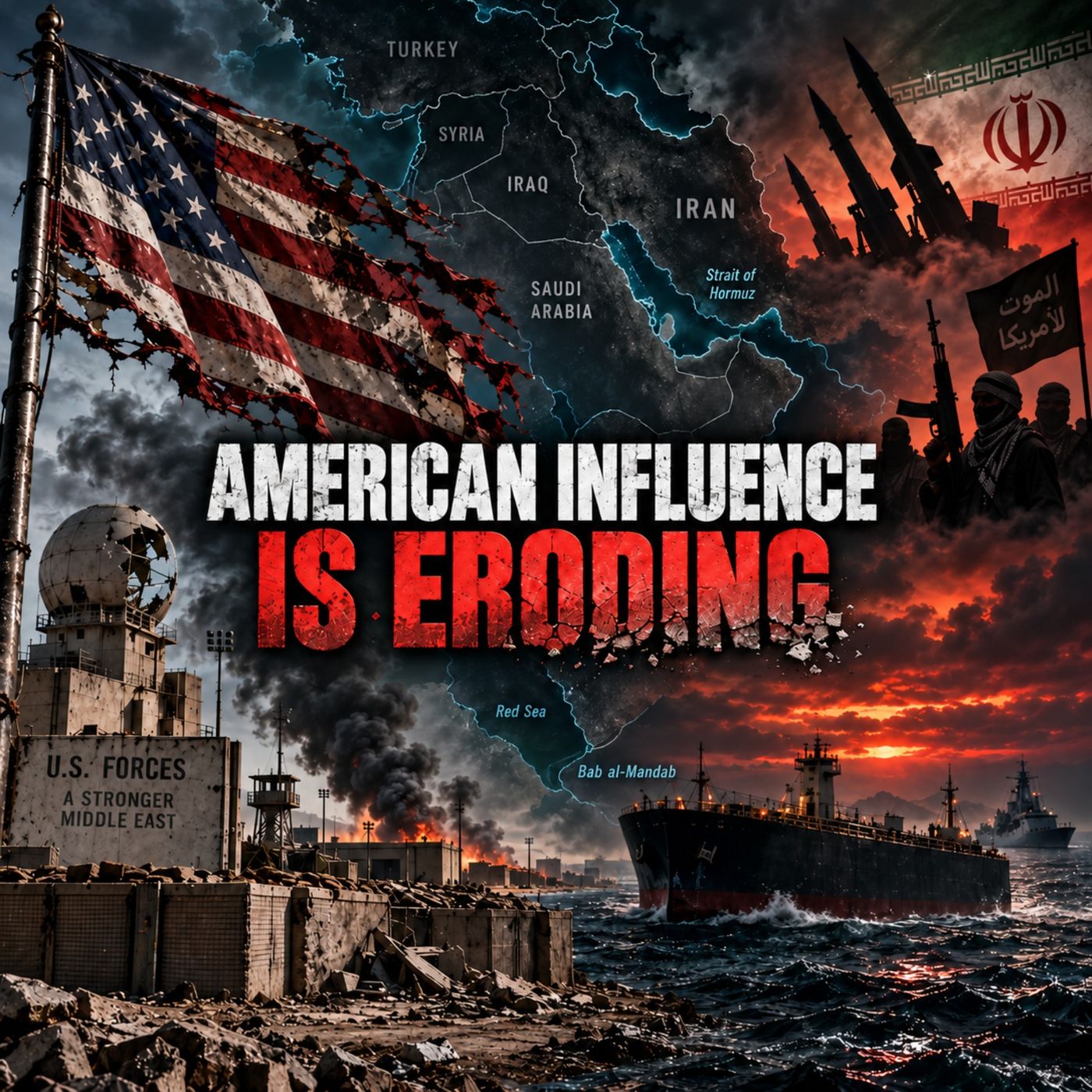
Is America's Influence Eroding? | EYES ON GEOPOLITICS
Jack Murphy and John Hackett join the podcast to discuss the erosion of American influence globally, from the Middle East to the South China Sea, and the rise of new geopolitical dynamics.
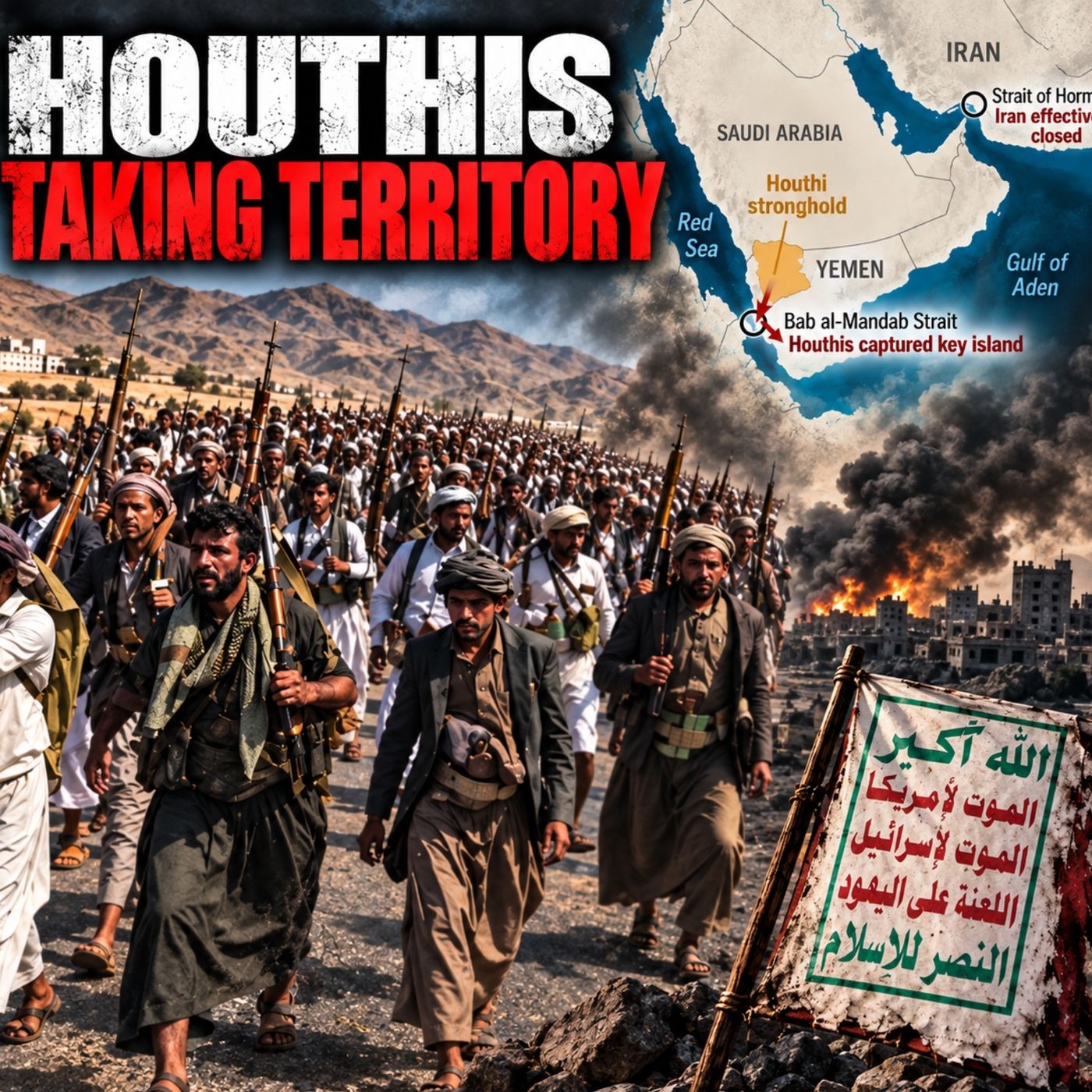
The Houthis Are Winning & AI Is Making Them More Dangerous | EYES ON GEOPOLITICS
The Houthis are making significant gains in Yemen, leveraging AI to enhance their military capabilities, while the US's shifting foreign policy in the Middle East is creating new diplomatic challenges.