Planet Money · Podcast summary
Getting entrepreneurial in Korea (Summer School)
Economist Oliver Kim explains how South Korea transformed from a war-torn, impoverished nation to an economic powerhouse, and how its strategies can be applied to other developing countries, including North Korea.

 Listen on the show ↗
Key takeaways
- 🇰🇷South Korea's post-war economic transformation from total ruin to a modern, glittering city is a remarkable success story.01:30
- 🌍Economist Oliver Kim's background, with parents who were diplomats and lived in various developing countries, gives him a unique perspective on economic development.02:27
- 📈South Korea's initial economic conditions were comparable to, or even worse than, countries in Sub-Saharan Africa, making its subsequent growth even more impressive.02:56
- ⚖️Land reform and a relatively level income distribution were crucial initial policies that gave everyone a stake in South Korea's long-term development.03:51
- 🚢Export discipline, where the government supported firms but forced them to compete globally, was key to ensuring South Korean companies remained competitive and productive.05:33
- 🇧🇩Bangladesh's textile industry boomed after receiving training and investment from South Korea, demonstrating how a country can rise from extreme poverty to become a major global manufacturer.15:55
Chapters
- 0:33Introduction to Planet Money Summer School: World Tour
- 1:41South Korea's Economic Transformation: From Poor to Rich
- 2:27Economist Oliver Kim on South Korea's Development
- 4:10The East Asian Tigers and Income Distribution
- 5:46Land Reform and Export Discipline
- 13:27The Flying Geese Model: Textile Manufacturing in Bangladesh
- 38:13North Korea's Donju: Capitalism and Nuclear Ambitions
- 53:52The Dark Side of North Korea's Economic Growth
- 1:00:01Lessons for the US: Industrial Policy and Export Discipline
The digest
In a recent episode of NPR's Planet Money Summer School, economist Oliver Kim of Coefficient Giving joined the hosts to discuss South Korea's remarkable economic transformation and the lessons it offers to other developing nations. From the ashes of war, South Korea rose to become a global economic leader, a journey that provides a compelling case study in development economics.
From Rubble to Riches: South Korea's Post-War Transformation
Oliver Kim began by setting the scene: in 1953, at the end of the Korean War, Seoul was a city in total ruin. "People were living in rubble and shacks, going hungry. Things were grim," Kim recounted. South Korea's GDP per capita was comparable to, and in some cases even lower than, countries in Sub-Saharan Africa. Yet, in the decades that followed, South Korea, along with Taiwan, Singapore, and Hong Kong (collectively known as the East Asian Tigers), dramatically pulled ahead, converging with the industrialized West in terms of income.
This rapid ascent wasn't without some initial advantages. Kim noted that these countries had relatively high levels of education and good infrastructure. However, he emphasized that the scale of their transformation is still remarkable, serving as an inspiration for every developing country today.
Keep reading in The Digest
The full 7-minute article, 7 more sections, and every new episode from Planet Money and the creators you follow.
- The Foundations of Growth: Land Reform and Income Equality
- Export Discipline: The Engine of Competitiveness
- The Flying Geese Model: Spreading Industrial Knowledge
- Bangladesh's Textile Boom: A Case Study in Knowledge Transfer
- North Korea's Economic Enigma: The Donju and Honey-Coated Poison
- The Paradox of North Korea's Growth
- Lessons for the United States: Export Discipline and the Industrial Ladder
More from Planet Money

Where all those weird new drinks are coming from
Jeff Wo explores the explosion of new beverage flavors and types, revealing how advances in flavor science, functional ingredients, and manufacturing have transformed the drink market.

Middlegarchs are the new Oligarchs
Economist Eric Zwick reveals how America's 'middle garchs'—millions of multimillionaire private business owners—hold vast wealth and political power, reshaping the economy beyond the billionaire spotlight.

The Domino’s Pizza Tracker Theory of Everything
Alex Mayyasi, author of the Planet Money book, joins Nick Fountain to discuss the Domino's Pizza Tracker and how it revolutionized customer expectations for tracking services, from banking to ride-sharing.

The loan at the heart of a new foreclosure crisis
A new type of loan, the Debt Service Coverage Ratio (DSCR) loan, is at the heart of a potential new foreclosure crisis, reminiscent of the 2008 financial crisis. This episode explores how these loans work, their rapid rise in popularity, and the suspicious activity surrounding their use in Baltimore's housing market.

Cost-cutting, quiet guilt and the inflation generation
Planet Money checks in with listeners to understand how the current economic climate is affecting their lives, highlighting the struggles of a college professor and the surprising comfort of a retired public servant.
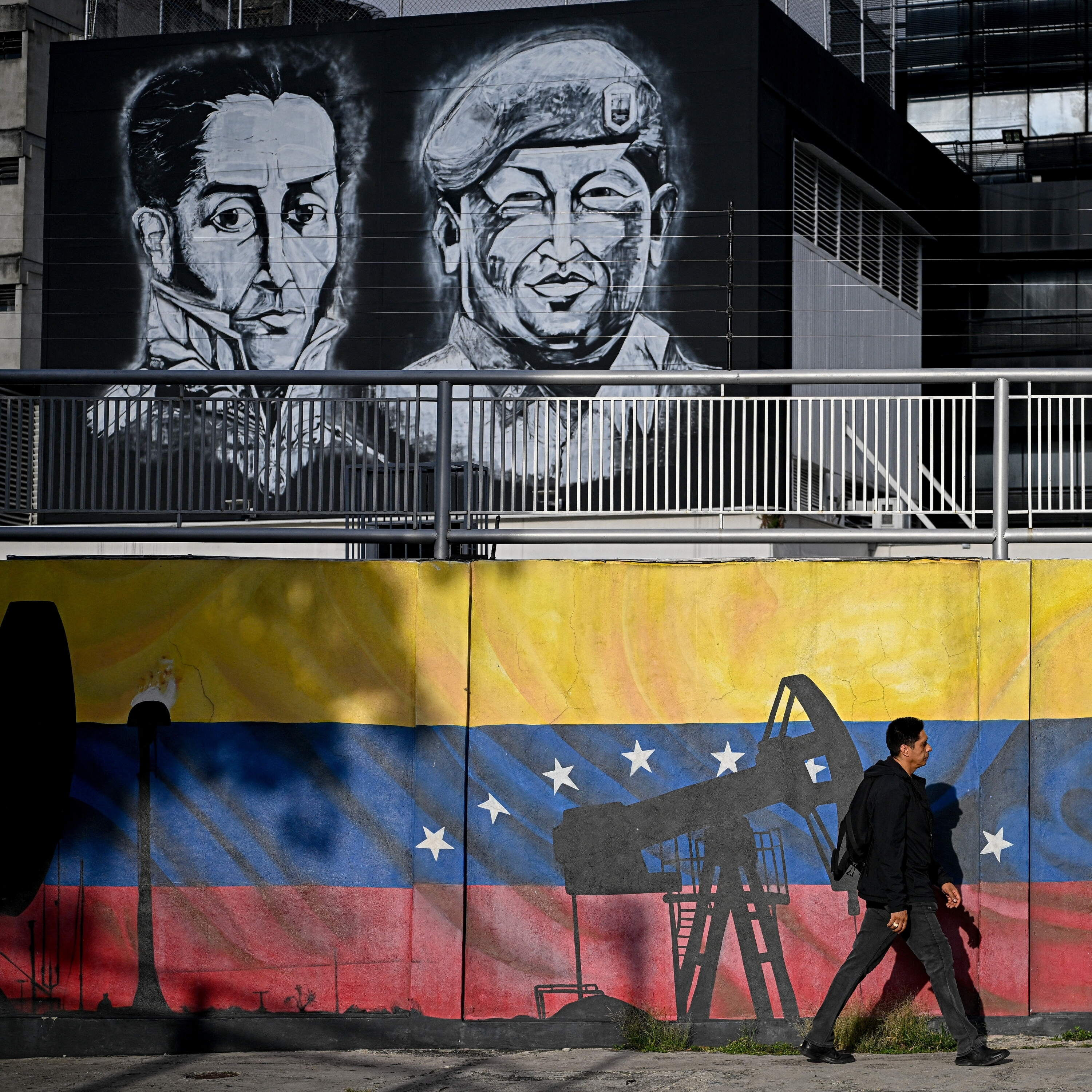
Trump drinks Venezuela’s milkshake
Venezuelan oil executive Jose Angel Pereira Remvek shares his unique perspective on the US-Venezuela oil deal, drawing on his family's deep history in the Venezuelan oil industry and his personal experiences with foreign investment and nationalization.