Planet Money · Podcast summary
The loan at the heart of a new foreclosure crisis
A new type of loan, the Debt Service Coverage Ratio (DSCR) loan, is at the heart of a potential new foreclosure crisis, reminiscent of the 2008 financial crisis. This episode explores how these loans work, their rapid rise in popularity, and the suspicious activity surrounding their use in Baltimore's housing market.

 Listen on the show ↗
Key takeaways
- 🕵️A local reporter uncovers a sprawling investigation into mysterious money pools in the US housing market, starting with a tip about two big investor foreclosures in Baltimore.0:25
- 🏢DSCR loans are business-type loans, exempt from post-financial crisis regulations, and focus on the property's rental income potential rather than the borrower's personal income.1:53
- 💸A theory of mortgage fraud suggests a scheme where homes are sold at artificially high prices to secure large loans, with the fraud potentially repeatable multiple times due to the nature of DSCR loans.2:23
- 🏡Two unknown investors quickly amassed over 700 homes in Baltimore, borrowing $100 million in just a couple of years, raising suspicions about their sudden appearance and funding.2:40
- 💰The investigation reveals a new type of loan, the Debt Service Coverage Ratio (DSCR) loan, which allows investors to buy properties without proving income, reminiscent of pre-2008 financial crisis practices.6:28
- 📈Wall Street's involvement in DSCR loans has led to their rapid popularity, connecting private lenders to large institutional funds and enabling longer-term mortgages for landlords.11:28
Chapters
- 0:25Introduction to the Baltimore Housing Market Investigation
- 3:27The Mysterious Investors and Their Massive Portfolio
- 8:50The Rise of the DSCR Loan
- 12:15The Financial Crisis and Regulatory Changes
- 15:33Connecting Main Street to Wall Street
- 18:44DSCR Loans Go Mainstream
- 22:00Unraveling the Mystery in Baltimore
- 23:40Suspicious Patterns and a Theory of Fraud
- 39:59The Dilemma in Baltimore and Future Outlook
The digest
Last year, a local reporter in Baltimore, Jack Balonia, received a tip that would turn into the biggest story of his career. The tip was about two big investor foreclosures, which led to a sprawling investigation into mysterious pools of money pouring into the US housing market. Jack, a local reporter for the Baltimore Banner, covers business and development. He received a text asking, "Interested in a story about two big investor foreclosures?"
Jack's job is to report on how companies, jobs, and investment dollars flow in and out of Baltimore. The tip came from an anonymous real estate insider who told him that two investors had been buying up a bunch of old row homes in Baltimore, and now, a lot of those homes were going into foreclosure, ending up on the auction block. These investors were from out of town and had bought so many houses so fast, borrowing a huge amount of money. Jack realized this was going to have big ripple effects.
Jack turned to his colleague, Hallie Miller, a housing reporter at the Banner who had been covering the housing beat in Baltimore for years. Hallie had noticed a trend: more and more investors were swooping in, buying old homes and fixing them up. This was initially seen as good news for the city. However, there was something strange about these particular investors. They seemed to come out of nowhere just a couple of years ago, and their paperwork listed an address in a suburb north of New York City. No one in the Baltimore community had ever heard of them.
The Mysterious Investors and Their Massive Portfolio
As Jack and Hallie pieced together public records, they soon realized that these two unknown individuals had quickly and quietly amassed one of the largest private real estate portfolios in Baltimore, over 700 homes. These investors weren't buying homes with their own money; they were taking out loans—lots and lots of loans. Jack and Hallie started building a giant spreadsheet, detailing how much each home cost and how much money these investors had borrowed. They discovered that in just a couple of years, these two investors managed to borrow about $100 million. This was when Jack and Hallie realized something truly weird was happening.
This led to the central question: where did all that money come from, and where did it all end up? Jack and Hallie began to follow the trail of those $100 million, and they soon realized they had stumbled upon a story that went far beyond just Baltimore. There was a new type of loan sweeping through the country, advertised as a super quick, super easy way to get a mortgage to buy a home. In recent years, Wall Street had been funneling billions of dollars into these loans. But these loans were also raising questions: were they a financial innovation helping the housing market, or a sign that Wall Street might be repeating past mistakes?
Keep reading in The Digest
The full 14-minute article, 7 more sections, and every new episode from Planet Money and the creators you follow.
- The Rise of the DSCR Loan
- The Financial Crisis and Regulatory Changes
- Connecting Main Street to Wall Street
- DSCR Loans Go Mainstream
- Unraveling the Mystery in Baltimore
- Suspicious Patterns and a Theory of Fraud
- The Dilemma in Baltimore and Future Outlook
More from Planet Money
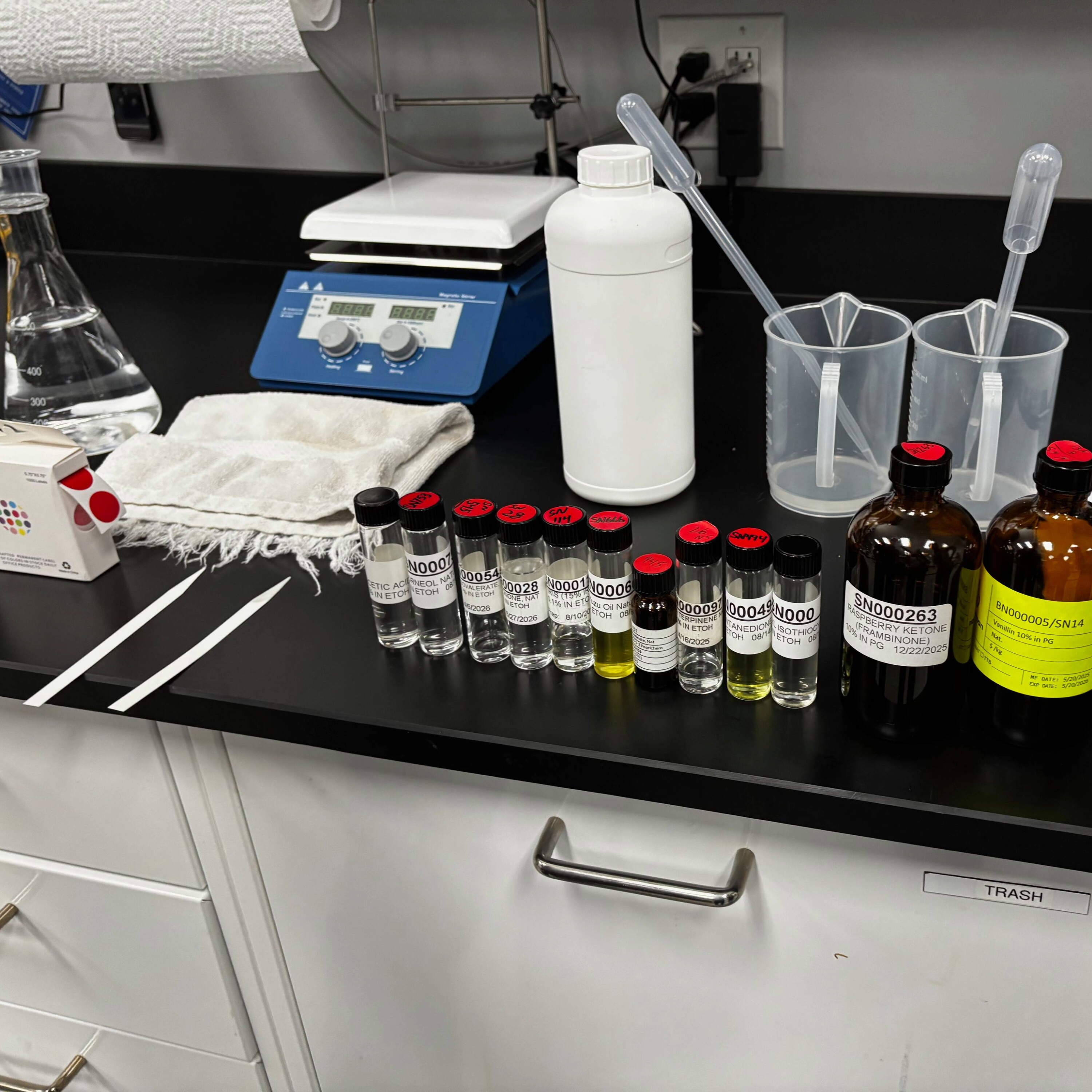
Where all those weird new drinks are coming from
Jeff Wo explores the explosion of new beverage flavors and types, revealing how advances in flavor science, functional ingredients, and manufacturing have transformed the drink market.

Middlegarchs are the new Oligarchs
Economist Eric Zwick reveals how America's 'middle garchs'—millions of multimillionaire private business owners—hold vast wealth and political power, reshaping the economy beyond the billionaire spotlight.

The Domino’s Pizza Tracker Theory of Everything
Alex Mayyasi, author of the Planet Money book, joins Nick Fountain to discuss the Domino's Pizza Tracker and how it revolutionized customer expectations for tracking services, from banking to ride-sharing.

Cost-cutting, quiet guilt and the inflation generation
Planet Money checks in with listeners to understand how the current economic climate is affecting their lives, highlighting the struggles of a college professor and the surprising comfort of a retired public servant.
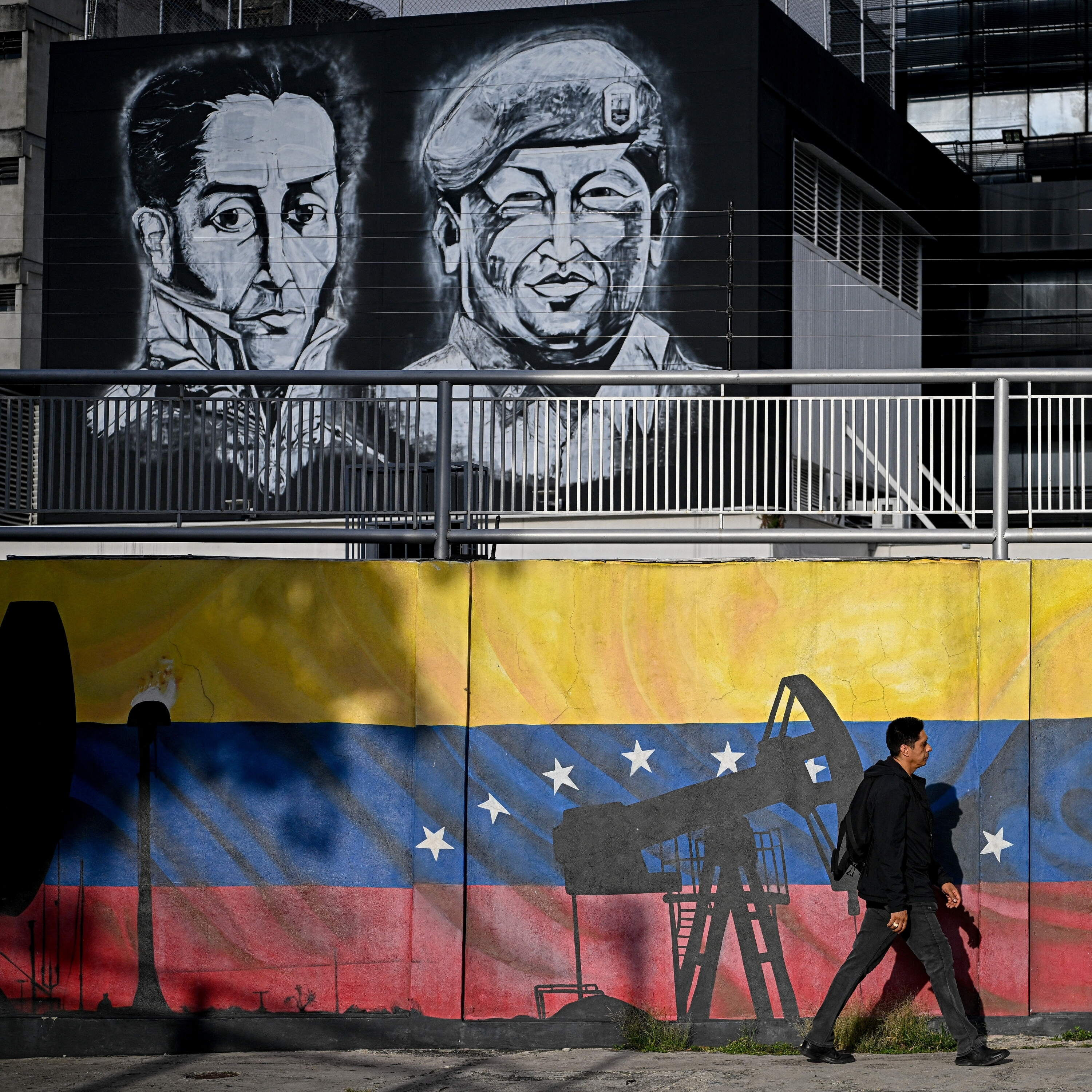
Trump drinks Venezuela’s milkshake
Venezuelan oil executive Jose Angel Pereira Remvek shares his unique perspective on the US-Venezuela oil deal, drawing on his family's deep history in the Venezuelan oil industry and his personal experiences with foreign investment and nationalization.

Dolly Parton’s “9 to 5,” the true story behind the anthem (bonus)
The true story behind Dolly Parton's iconic anthem "9 to 5" and the real-life labor movement that inspired it, featuring insights from Karen Nussbaum, a key figure in the movement.