
Creator
Planet Money summaries
Every long episode from Planet Money, read in minutes: the key takeaways, the chapters, and a digest of the whole conversation. Wanna see a trick? Give us any topic and we can tie it back to the economy. At Planet Money , we explore the forces that shape our lives and bring you along for the ride. Don't just understand the economy – understand the world. Support public media by joining NPR+ at plus.npr.or…
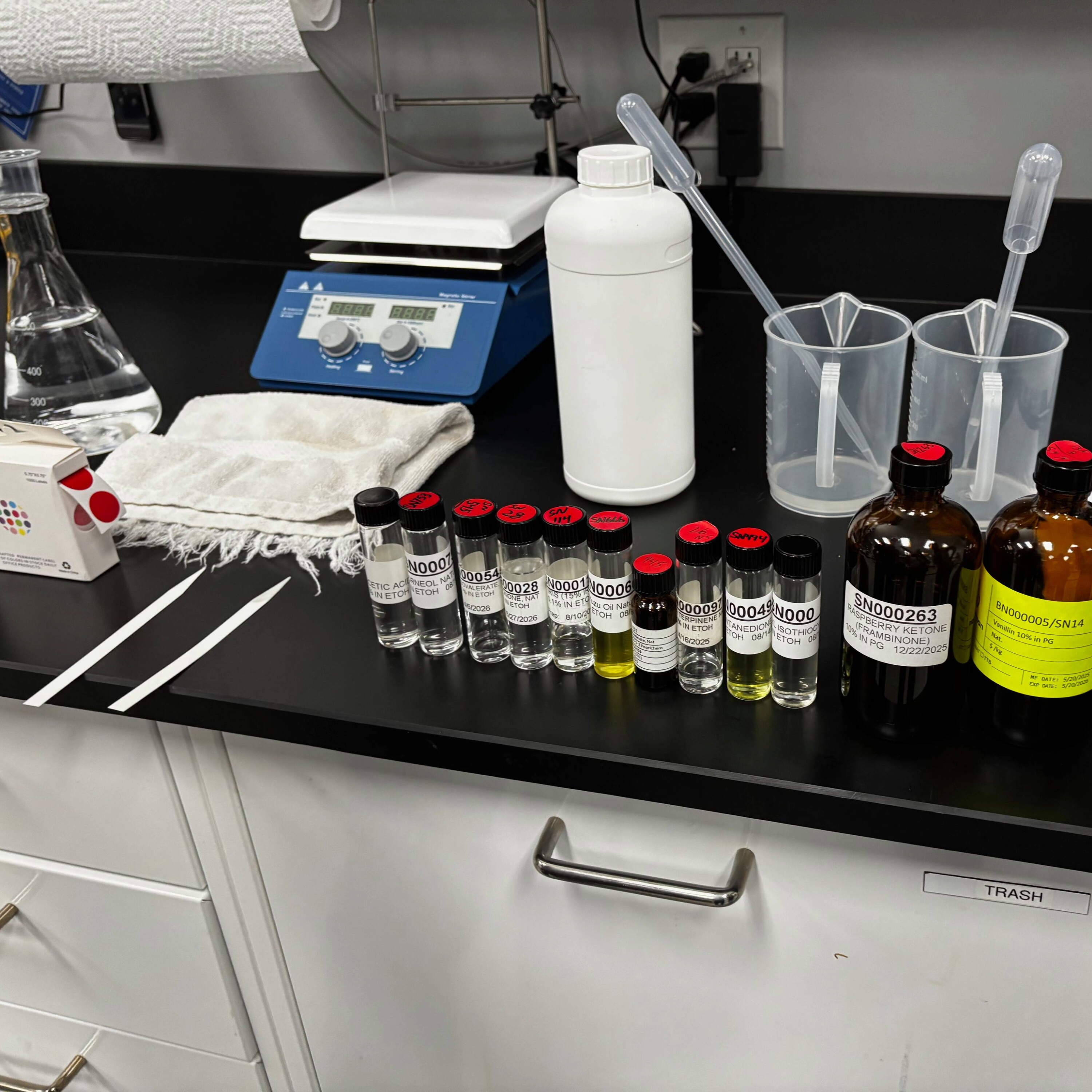
Where all those weird new drinks are coming from
Jeff Wo explores the explosion of new beverage flavors and types, revealing how advances in flavor science, functional ingredients, and manufacturing have transformed the drink market.
Middlegarchs are the new Oligarchs
Economist Eric Zwick reveals how America's 'middle garchs'—millions of multimillionaire private business owners—hold vast wealth and political power, reshaping the economy beyond the billionaire spotlight.

The Domino’s Pizza Tracker Theory of Everything
Alex Mayyasi, author of the Planet Money book, joins Nick Fountain to discuss the Domino's Pizza Tracker and how it revolutionized customer expectations for tracking services, from banking to ride-sharing.

The loan at the heart of a new foreclosure crisis
A new type of loan, the Debt Service Coverage Ratio (DSCR) loan, is at the heart of a potential new foreclosure crisis, reminiscent of the 2008 financial crisis. This episode explores how these loans work, their rapid rise in popularity, and the suspicious activity surrounding their use in Baltimore's housing market.

Cost-cutting, quiet guilt and the inflation generation
Planet Money checks in with listeners to understand how the current economic climate is affecting their lives, highlighting the struggles of a college professor and the surprising comfort of a retired public servant.
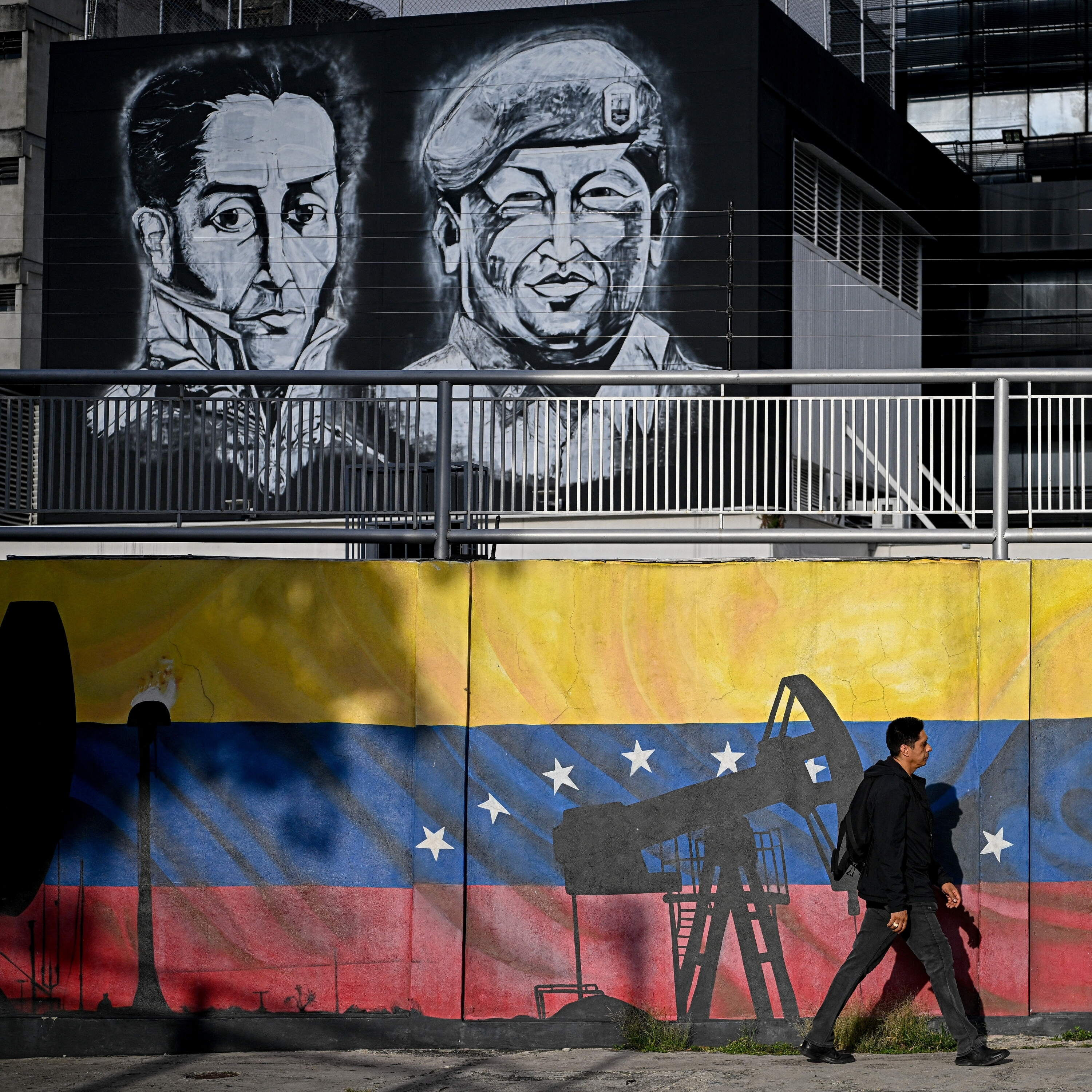
Trump drinks Venezuela’s milkshake
Venezuelan oil executive Jose Angel Pereira Remvek shares his unique perspective on the US-Venezuela oil deal, drawing on his family's deep history in the Venezuelan oil industry and his personal experiences with foreign investment and nationalization.
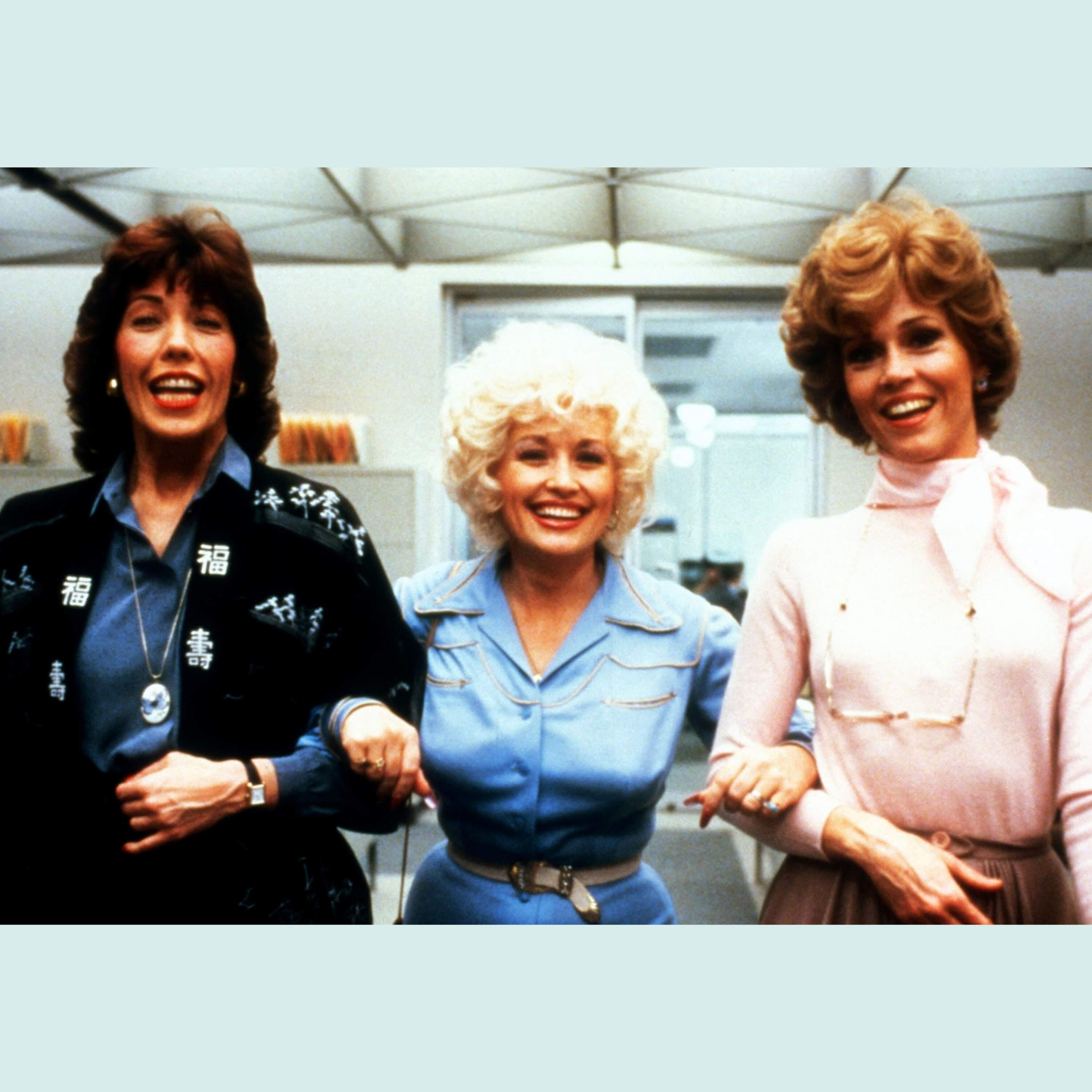
Dolly Parton’s “9 to 5,” the true story behind the anthem (bonus)
The true story behind Dolly Parton's iconic anthem "9 to 5" and the real-life labor movement that inspired it, featuring insights from Karen Nussbaum, a key figure in the movement.

Branded fruit: How produce got “Honeycrisp-ified"
In this episode of Planet Money, Kenny Malone and Dan Pashman explore the "Honeycrispification" of the produce aisle, investigating how new laws and changing consumer demands have led to a proliferation of branded, superstar fruits and vegetables.

The continent nobody owns & everyone benefits from (Summer School)
Economist Natalie Stökel explains why Antarctica, a continent with no private ownership or money, is worth 180 billion dollars a year to the global economy. Plus, a former Navy store manager shares her experience running a general store on the continent, and listeners from around the world share their economic insights.

Who decides what big box sells? Our GAME got us answers
Planet Money co-host Erika Beras recounts her experience pitching the Planet Money board game, "Sell Me a Sasquatch," to two of the biggest big box retailers in the country.

Getting entrepreneurial in Korea (Summer School)
Economist Oliver Kim explains how South Korea transformed from a war-torn, impoverished nation to an economic powerhouse, and how its strategies can be applied to other developing countries, including North Korea.

You bet your life insurance
Frank Sarawsky, who learned to love insurance after accidentally burning down his bedroom, discovers the lucrative world of life settlements and faces a massive decision about his own policies.

Currency Chaos in Argentina (Summer School)
Professor Sebastian Galiani joins us to discuss the economic history of Argentina, focusing on how economic turmoil, especially inflation, affects everyday people and the country's stability.

Older workers aren’t retiring. Should they be forced to?
Economist Samuel Moyn argues that older workers should be forced to retire to create opportunities for younger generations, while economist Olivia S. Mitchell counters that delaying retirement benefits both individuals and the economy.