The Team House · Podcast summary
AI: Boom or Doom? | EYES ON GEOPOLITICS
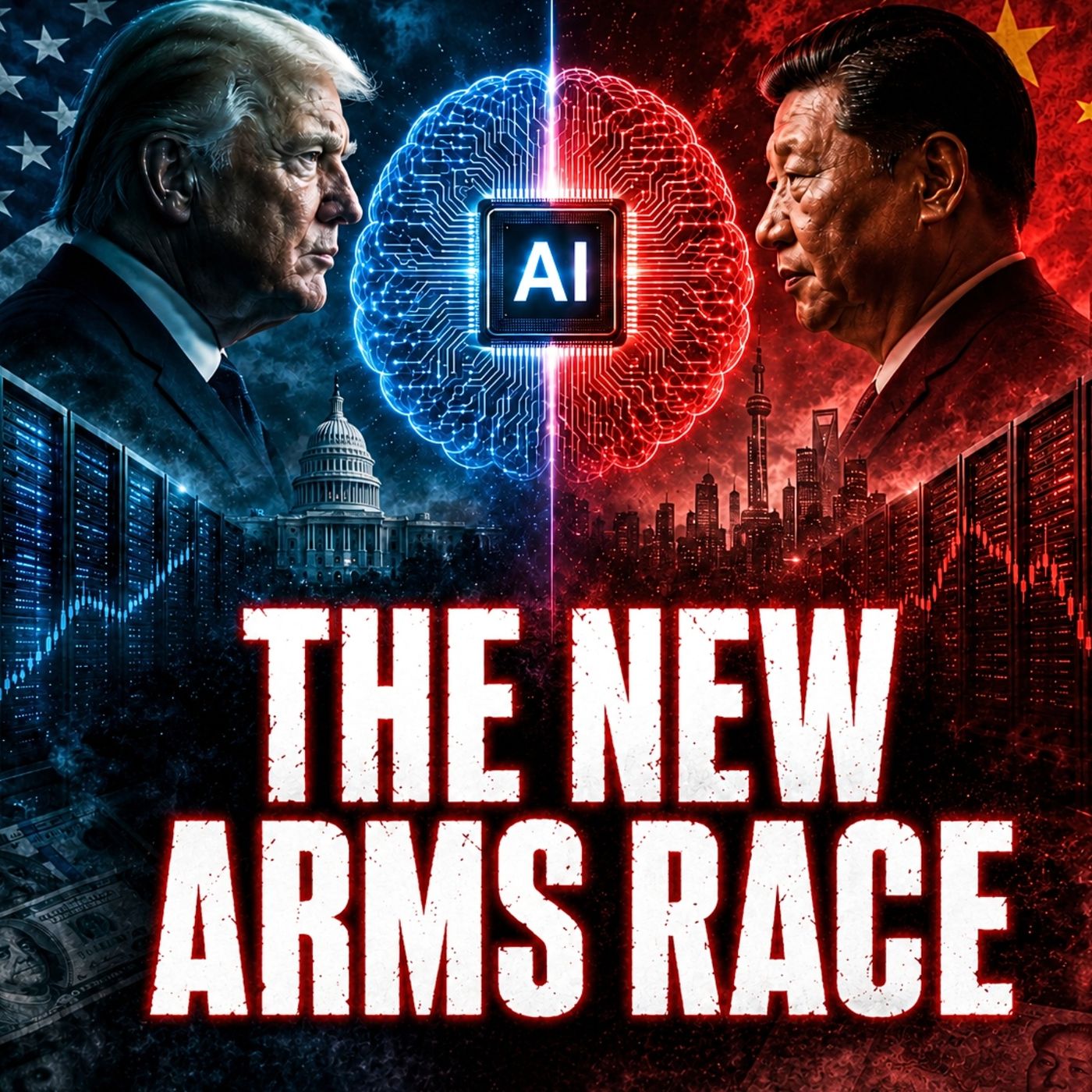
In this episode of Eyes on Geopolitics, Jonathan Hacken and Anthony Vinci discuss the future of AI, its implications for national security, and the ongoing technological competition between the US and China.

 Listen on the show ↗
Key takeaways
- ☣️Advanced AI models could be used to create bioweapons, even by individuals with limited scientific expertise, highlighting the need for strict control.01:159
- 🗣️AI can influence and persuade users, a capability previously exclusive to human interaction, raising new ethical and geopolitical concerns.00:425
- 🚫The US should consider making it illegal for American businesses to use Chinese AI models due to inherent security and informational threats.02:344
- 🧠The average cost per 'IQ point' of AI will decrease, but the demand for smarter and more capable systems will continue to rise.06:121
- 🏛️Major AI companies may eventually be nationalized due to their immense power, economic impact, and the public's desire for a share of the profits.05:220
- 💲The US should offer incentives to American AI companies to produce cheaper, secure models to compete with Chinese offerings.02:521
Chapters
- 0:45Introduction to AI and Geopolitics
- 5:55The Three Types of AI
- 8:56The Huawei Precedent and Chinese AI
- 13:21The Problem with Open-Weight Models
- 17:46Balancing Innovation and Security: A US Dilemma
- 24:59The Financial Underpinnings of the AI Boom
- 26:39The Ethics of AI: Surveillance and Control
- 51:39The Exponential Threat of Frontier Models
- 54:59The Future of AI: Nationalization and Global Governance
- 1:33:22The Path Forward: Regulation and Incentives
The digest
Jonathan Hacken and Anthony Vinci, author of "The Fourth Intelligence Revolution: The Future of Espionage and the Battle to Save America," delve into the complex and rapidly evolving landscape of Artificial Intelligence. Vinci, also the co-founder and CEO of Vico, an AI company focused on decision-making in finance and national security, and an adjunct senior fellow at the Center for a New American Security, offers a nuanced perspective on the challenges and opportunities presented by AI, particularly in the context of US-China relations.
The Three Types of AI and Their Geopolitical Implications
Vinci outlines three distinct categories of AI, each with significant geopolitical ramifications. The first is conversational AI, exemplified by platforms like Claude and ChatGPT. This AI interacts with users, communicates information, and, crucially, can persuade and influence. "It can lean you in a direction," Vinci states, highlighting a new dimension of influence previously exclusive to human interaction. The second category encompasses AI for autonomous systems, such as self-driving cars and drones. These systems are already transforming transportation and military capabilities. The third type, which Vinci's company Vico specializes in, is AI for strategic decision-making, designed to assist businesses and militaries in making complex choices and playing through numerous scenarios. Vinci emphasizes that these three types of AI mirror fundamental human and organizational functions: communication, physical action, and strategic thought. The critical question, he posits, is whether the US and its allies will utilize American or Chinese AI systems for these functions, and what the implications are for third-party nations.
Keep reading in The Digest
The full 9-minute article, 11 more sections, and every new episode from The Team House and the creators you follow.
- The Huawei Precedent and the Dangers of Chinese AI
- The Problem with Open-Weight Models
- Balancing Innovation and Security: A US Dilemma
- The Future of AI: Nationalization and Global Governance
- Jonathan Hacken's Take on AI Investment
- The Exponential Threat of Frontier Models
- The Financial Underpinnings of the AI Boom
- The Inevitable Nationalization of AI Companies
- The Ethics of AI: Surveillance and Control
- The Path Forward: Regulation and Incentives
- Conclusion: A Call to Action
More from The Team House
Inside the CIA, the White House & the Intelligence Purges | Julia Curlee
Julia Curlee, a former CIA analyst and Presidential Daily Briefer, shares her journey from war zones to the White House and the challenges of being a transgender officer amid political purges.
Terror Plot Stopped Near RAF Fairford | EYES ON GEOPOLITICS
Jonathan Hackett, Mark Polymeropoulos, and Andy Milburn analyze the foiled terror plot near RAF Fairford and the broader geopolitical tensions involving Iran, the UK, and US allies.

Inside the FBI Hostage Rescue Team | Kyle Vowinkel
Kyle Vowinkel, former FBI Hostage Rescue Team operator and Crisis Negotiation Unit member, shares his journey from West Point to elite tactical and negotiation roles, revealing leadership lessons and high-stakes operations.
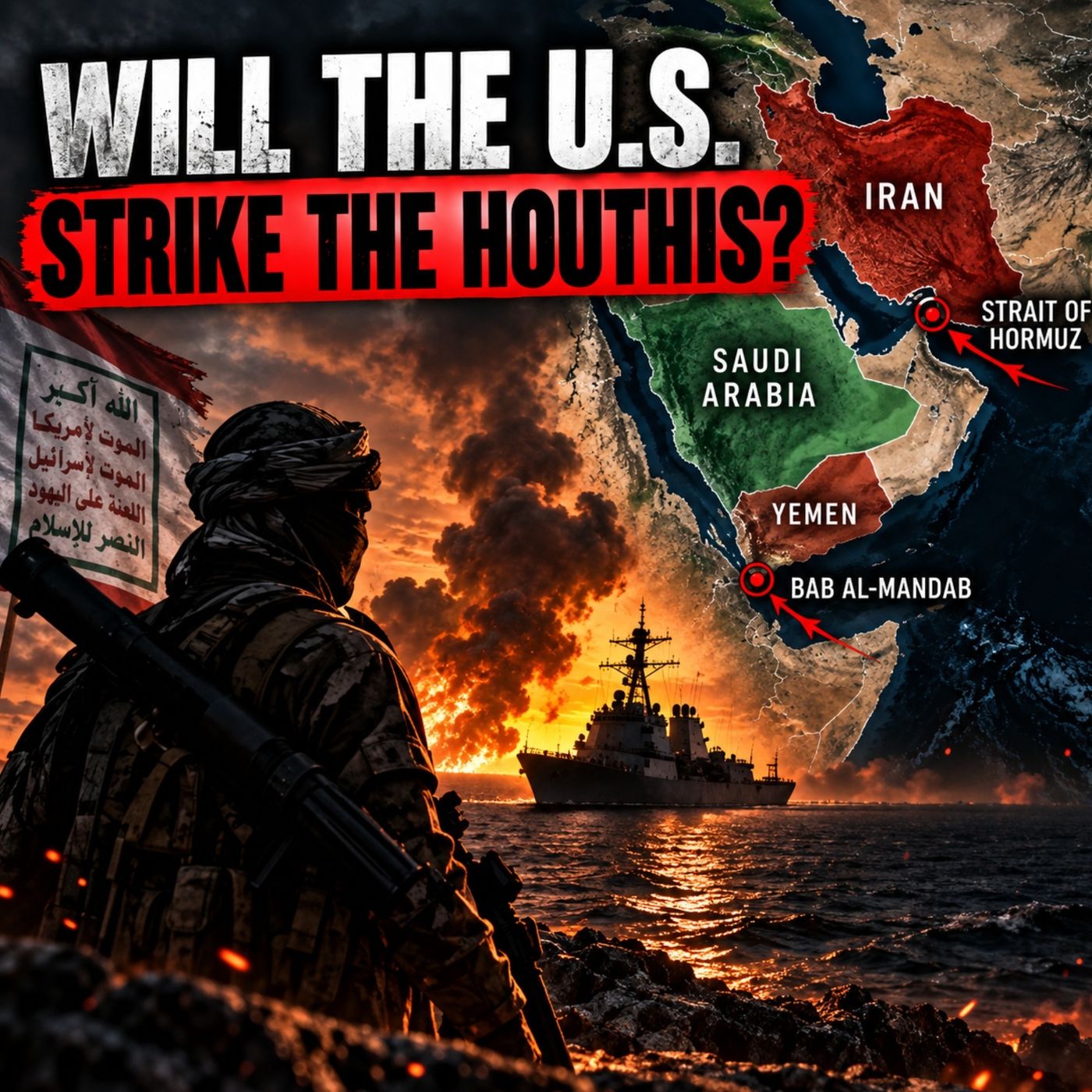
Will the U.S. Strike the Houthis For Saudi Arabia? | EYES ON GEOPOLITICS
This episode of Eyes on Geopolitics features Jonathan Hack, Mark Polymeropoulos, Mick Mulroy, and Andy Milburn discussing the escalating tensions in the Middle East, particularly focusing on the Houthis' attacks on Saudi Arabia and the potential U.S. response, as well as broader geopolitical shifts and the implications for global energy markets and alliances.

Force Recon in Vietnam & Is WW3 Actually Possible? | Bing West
Bing West, a Marine Corps Colonel and former Assistant Secretary of Defense for International Security Affairs, discusses his experiences as a Force Recon Marine in Vietnam, the strategic blunders of the Vietnam War, and his insights into the future of warfare and American foreign policy.
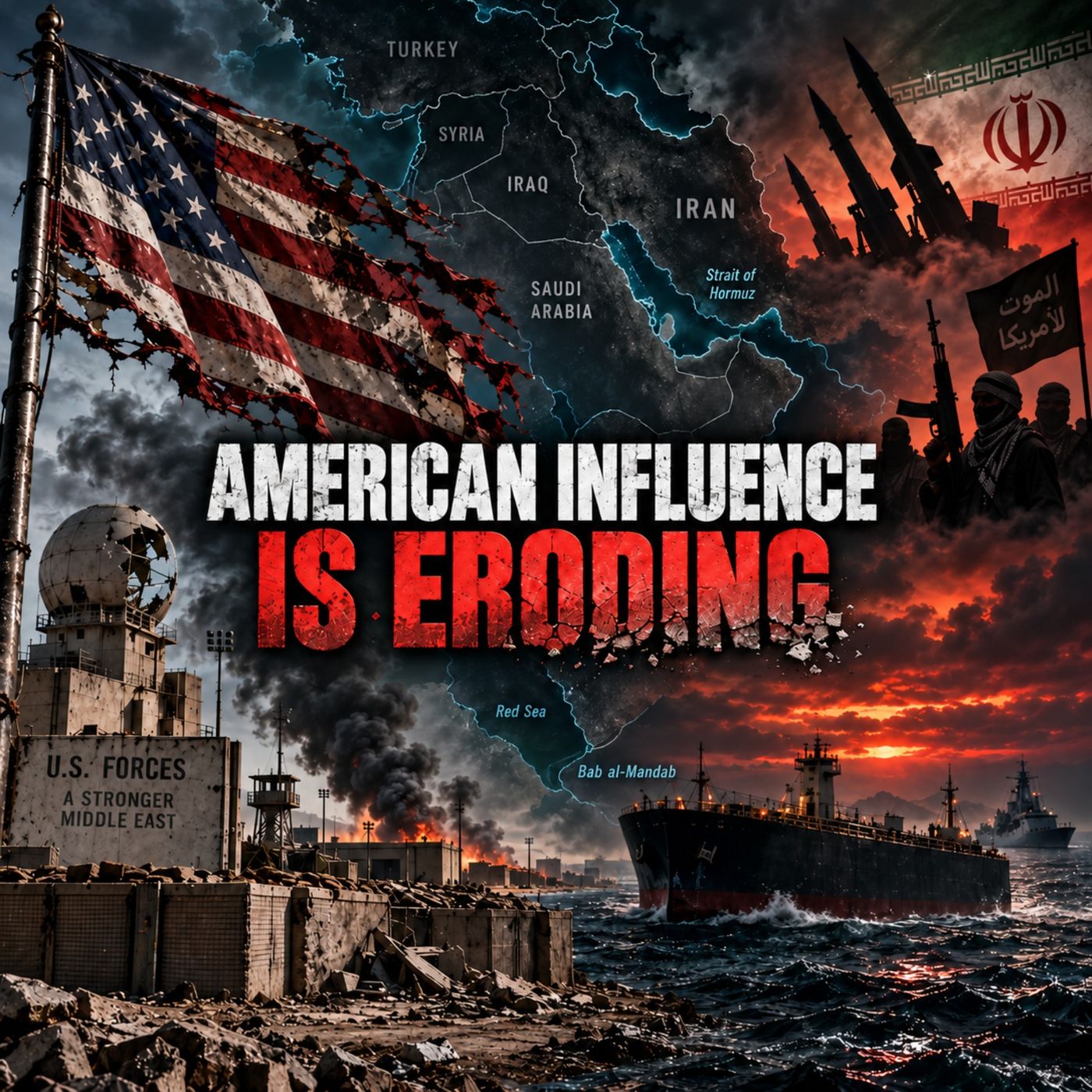
Is America's Influence Eroding? | EYES ON GEOPOLITICS
Jack Murphy and John Hackett join the podcast to discuss the erosion of American influence globally, from the Middle East to the South China Sea, and the rise of new geopolitical dynamics.