The Daily · Podcast summary
Why Gas Prices Just Keep Going Up
Vivian Nereim explains why gas prices are soaring and what it means for the global economy, as well as the future of the war with Iran.
 Listen on the show ↗
Key takeaways
- ⛽Cam Judy, a gas station owner in Florida, noticed a sudden 20-cent increase in gas prices overnight, from $3.99 to $4.19 a gallon, leaving him and his customers confused.01:34
- 🤔The conflict in the Middle East, which was initially expected to drive gas prices up, has largely been forgotten by the public, despite its ongoing impact.03:20
- 🇸🇦Saudi Arabia, the world's largest oil exporter, had a unique workaround during the Iran war: a gigantic oil pipeline stretching across the kingdom to the Red Sea, allowing them to bypass the choked-off Strait of Hormuz.06:00
- 💥Iran's ally in Yemen, the Houthis, began targeting Saudi Arabia's oil pipeline route to the Red Sea, effectively cutting off their workaround and escalating the conflict.06:56
- ⚔️The Houthis, an Iranian-backed militia, gained significant power in Yemen after the Arab Spring transition, leading to a brutal civil war with Saudi Arabia.07:33
- 🚢The Houthis' recent seizure of the Bab el-Mandeb Strait and the attack on Saudi Arabia's cross-land pipeline have severely choked off all oil exits from the Arabian Peninsula, impacting global markets.11:09
Chapters
- 0:29Introduction to the Gas Price Surge
- 1:56The Gas Station Owner's Perspective
- 6:43The Expanding Iran War and its Ripple Effects
- 9:58Saudi Arabia's Workaround and the Houthis' Threat
- 11:49The Houthis' Rise and the Yemeni Civil War
- 13:57Escalation and Saudi Arabia's Predicament
- 18:15The Pipeline Attack and Global Impact
- 25:05Saudi Arabia's Limited Options and US Involvement
- 31:45The Broader Consequences of the War
The digest
Rachel Abrams opens the episode by introducing Cam Judy, a gas station owner in Florida who is confused about the sudden surge in gas prices. Judy recounts how he checked gas prices on a Wednesday afternoon, and everything seemed normal, with regular gas at $3.99 a gallon. The next day, his beer distributor informed him that all other gas stations in the area had jumped to $4.19 a gallon overnight. Judy was shocked, as it was a 20-cent increase in price overnight. He confirmed this by checking other gas stations, all of which were selling regular gas for $4.19 a gallon. He realized he had no choice but to raise his prices as well. Customers were equally bewildered, constantly asking, "What's going on with these gas prices?"
Judy notes that when the New York Times team last visited him, the conflict in the Middle East had just started, and it was expected that gas prices would rise. However, the war and conflict haven't been discussed much lately, and people seem to have forgotten about it. He expresses his frustration, stating that he doesn't have an answer for why there was a 20-cent increase in a 24-hour period. As a regular citizen, he wants to know why, and he believes his customers would also like to know. Abrams then introduces Vivian Nereim, a colleague who will help answer Judy's question about what is driving rising oil prices.
The Expanding Iran War and its Ripple Effects
Nereim explains that she is reporting from Riyadh, Saudi Arabia. She clarifies that Saudi Arabia has long been the world's largest exporter of oil, making it a key player in influencing oil prices. Up until recently, Saudi Arabia had largely remained on the sidelines of the Iran war. While it experienced some attacks, it wasn't hit as hard as other Gulf states like the United Arab Emirates, Qatar, and Kuwait. Nereim admits that many, including herself, wondered why Iran was targeting other states while easing up on Saudi Arabia. However, in the past few weeks, this has changed.
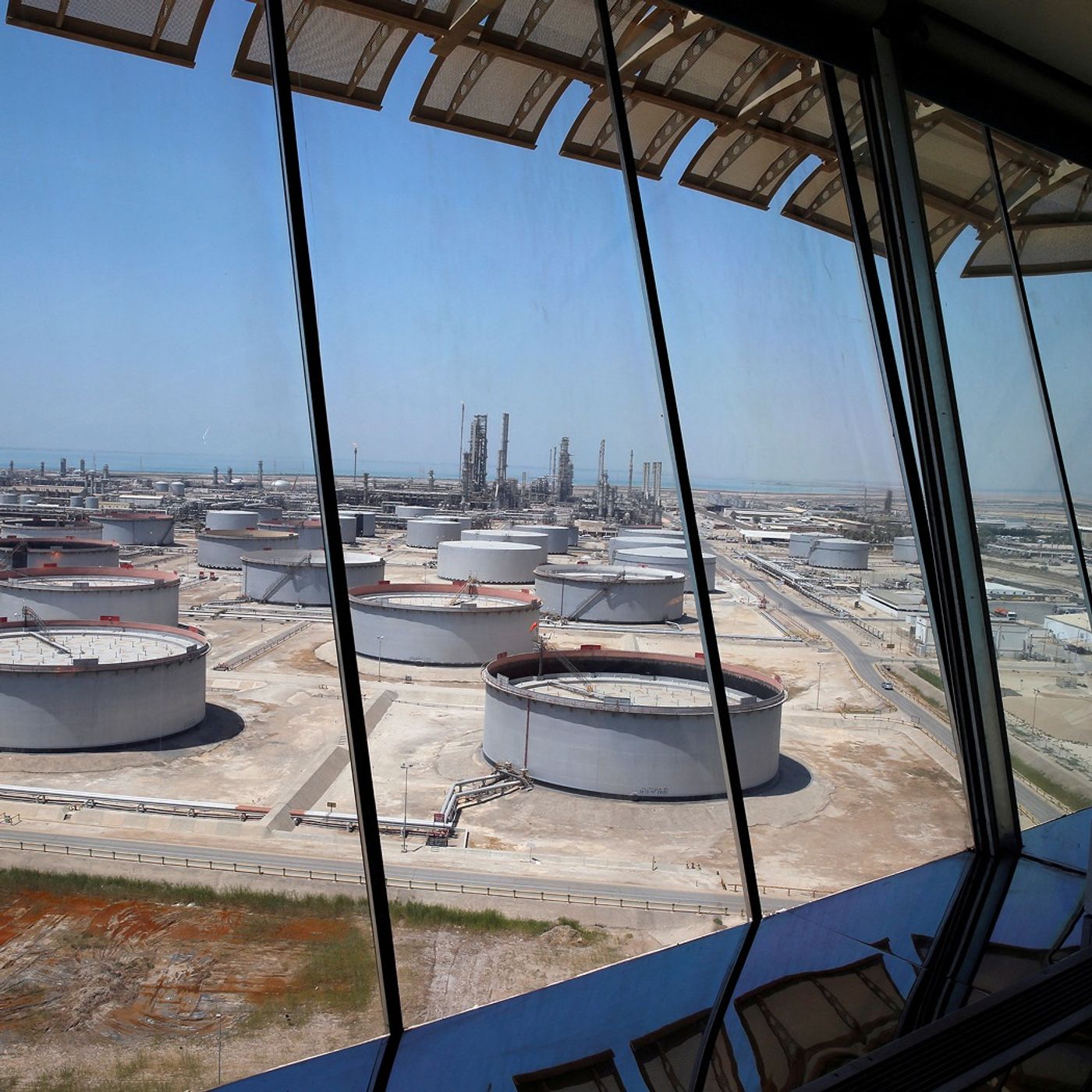
Nereim reveals that Iran was holding a "card" and waiting to play it. This card was Saudi Arabia's unique workaround during the Iran war. Due to its geography and history, Saudi Arabia had built a gigantic oil pipeline that stretches across the kingdom, allowing them to export oil from another exit point, the Red Sea, even when the Strait of Hormuz was choked off. This workaround gave Saudi Arabia a significant advantage over other Gulf states, whose oil supply to global markets was much less affected. However, this changed when Iran's ally in Yemen, the Houthis, began focusing its attention on that route, effectively seeking to cut it off.
Keep reading in The Digest
The full 8-minute article, 5 more sections, and every new episode from The Daily and the creators you follow.
- The Houthis' Rise and the Yemeni Civil War
- Escalation and Saudi Arabia's Predicament
- The Pipeline Attack and Global Impact
- Saudi Arabia's Limited Options and US Involvement
- The Broader Consequences of the War
More from The Daily

Chris Rock Has Been Thinking About Forgiveness
Chris Rock discusses his new film Misty Green, reflections on Hollywood, comedy, forgiveness, and personal growth.

He Was Deported to a Country He’d Never Heard Of
Nicholas Casey reveals the Trump administration's controversial practice of deporting immigrants to unfamiliar third countries, spotlighting Roberto Mosquera's harrowing story in Eswatini.

The Best TV Shows of the 21st Century
Gilbert Cruz and James Poniewozik discuss the New York Times' list of the 100 best TV shows of the 21st century, exploring the evolution of television storytelling and culture.

The Trump Administration Defangs the Endangered Species Act
The Trump administration is rolling back environmental protections, specifically targeting the Endangered Species Act. Rachel Abrams speaks with New York Times colleague Catrin Einhorn about the history of the act, the recent changes, and the potential impact on vulnerable animals and ecosystems.
How a 1,000-Year-Old Tapestry Took London by Storm
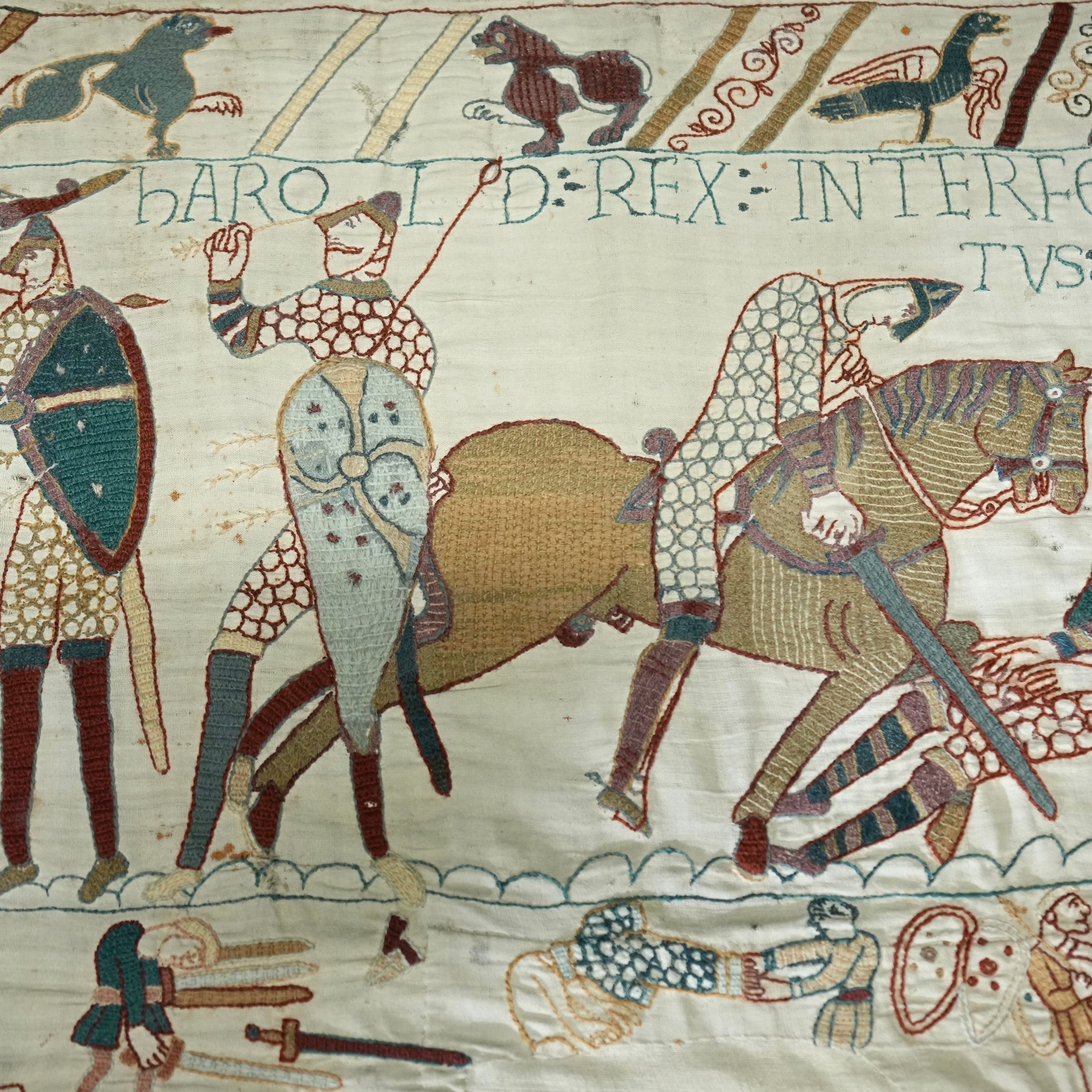
Culture reporter Alex Marshall explains how the 1,000-year-old Bayeux Tapestry, a piece of fabric depicting the Norman Conquest, became the hottest ticket in London, and why its temporary return to the UK is such a big deal.

Aaron Sorkin Still Believes in American Institutions, Even If No One Else Does
Aaron Sorkin discusses his new film, "The Social Reckoning," a follow-up to "The Social Network," and delves into his writing process, his views on social media, and his enduring optimism for American institutions.