The Daily · Podcast summary
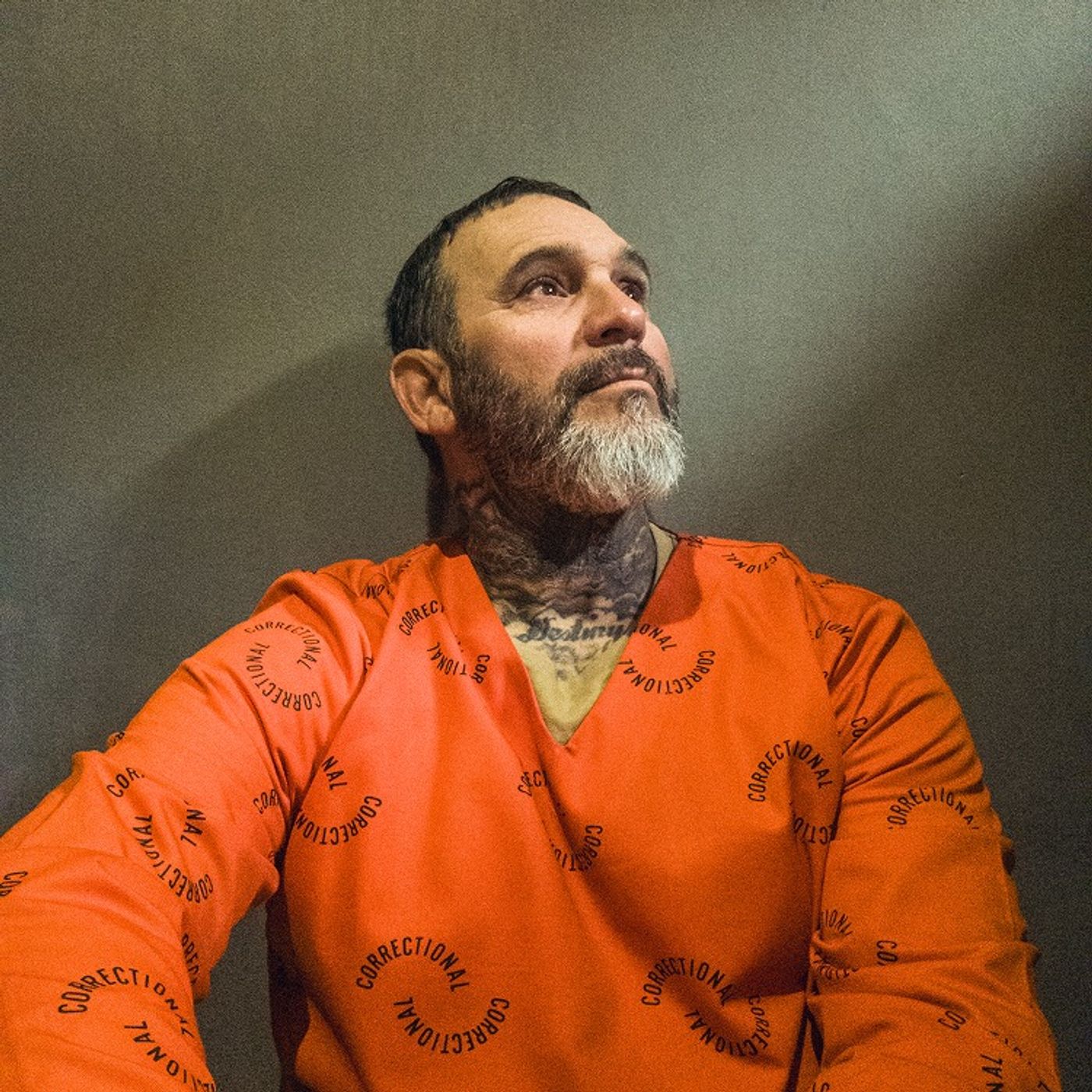
He Was Deported to a Country He’d Never Heard Of
Nicholas Casey reveals the Trump administration's controversial practice of deporting immigrants to unfamiliar third countries, spotlighting Roberto Mosquera's harrowing story in Eswatini.
 Listen on the show ↗
Key takeaways
- ⚖️A federal court ruled third-country deportations illegal for violating due process, but the Supreme Court is considering an emergency stay.0:30
- ✈️Third-country deportations send immigrants to countries they have no connection with, often without their knowledge.2:00
- 🇨🇺Roberto Mosquera, deported to Eswatini, had lived in the U.S. since age 12 and built a family and career here.4:00
- 🚨Roberto was detained without charges in a maximum-security prison in Eswatini, a country with poor human rights and no political freedoms.11:00
- 📞A sympathetic prison guard allowed Roberto limited phone access, enabling contact with a U.S. human rights lawyer.14:50
- 🥀Roberto’s 30-day hunger strike reflected his despair and longing for his family, especially his youngest daughter Faith.16:10
Chapters
- 0:30🚨 Introduction to Third-Country Deportations
- 1:30🛬 What Are Third-Country Deportations?
- 4:00👤 Roberto Mosquera’s Background
- 11:00🔒 Deportation to Eswatini
- 14:30📞 Life in Prison and Legal Isolation
- 16:00🥀 Hunger Strike and Emotional Toll
- 19:00🌍 Scale and Impact of the Policy
- 23:00⚖️ Supreme Court Case and Legal Questions
- 25:00❓ Uncertain Futures for Deportees
The digest
The Rise of Third-Country Deportations
Nicholas Casey opens the discussion by explaining a troubling immigration enforcement tactic that gained prominence under the Trump administration: deporting undocumented immigrants not to their countries of origin but to third countries with which they have no connection. This practice, known as third-country deportation, has drawn widespread criticism from civil rights groups and immigrant advocates. A federal court recently ruled it illegal for violating due process rights, but the administration has appealed to the Supreme Court, which is now poised to decide whether to allow the practice to continue.
Keep reading in The Digest
The full 4-minute article, 11 more sections, and every new episode from The Daily and the creators you follow.
- What Third-Country Deportations Entail
- The Profile of Those Deported
- Roberto Mosquera: A Life Disrupted
- Building a New Life Under Supervision
- The Unknown Destination: Eswatini
- Life Inside the Prison and Legal Limbo
- The Toll of Isolation and Despair
- Broader Implications and Scale of the Practice
- The Supreme Court’s Pending Decision
- Uncertain Futures and Forgotten Prisoners
- Conclusion: A Human Face on a Controversial Policy
More from The Daily

Chris Rock Has Been Thinking About Forgiveness
Chris Rock discusses his new film Misty Green, reflections on Hollywood, comedy, forgiveness, and personal growth.

The Best TV Shows of the 21st Century
Gilbert Cruz and James Poniewozik discuss the New York Times' list of the 100 best TV shows of the 21st century, exploring the evolution of television storytelling and culture.

The Trump Administration Defangs the Endangered Species Act
The Trump administration is rolling back environmental protections, specifically targeting the Endangered Species Act. Rachel Abrams speaks with New York Times colleague Catrin Einhorn about the history of the act, the recent changes, and the potential impact on vulnerable animals and ecosystems.

How a 1,000-Year-Old Tapestry Took London by Storm
Culture reporter Alex Marshall explains how the 1,000-year-old Bayeux Tapestry, a piece of fabric depicting the Norman Conquest, became the hottest ticket in London, and why its temporary return to the UK is such a big deal.

Aaron Sorkin Still Believes in American Institutions, Even If No One Else Does
Aaron Sorkin discusses his new film, "The Social Reckoning," a follow-up to "The Social Network," and delves into his writing process, his views on social media, and his enduring optimism for American institutions.

The Techno-Religion at the Center of the A.I. Debate
In this episode, Cade Metz explains the origins of the rationalist movement, a powerful subculture that believes in the power of technology to do anything, and how their ideas have influenced the current debate around AI safety.