The Daily · Podcast summary
Aaron Sorkin Still Believes in American Institutions, Even If No One Else Does
Aaron Sorkin discusses his new film, "The Social Reckoning," a follow-up to "The Social Network," and delves into his writing process, his views on social media, and his enduring optimism for American institutions.
 Listen on the show ↗
Key takeaways
- 🌟Despite the bleak realities of online safety and political discourse, Sorkin maintains an optimistic outlook, believing that individuals can make a difference.02:41
- ✍️Aaron Sorkin's primary goal as a writer is to captivate his audience, believing that a movie must first be entertaining before it can be thought-provoking or relevant.02:56
- 🇺🇸Sorkin attributes his idealistic and romantic tendencies to his father and his family's immigrant story, which instilled in him a belief in American institutions.05:05
- 💡Sorkin shares his past struggles with drug addiction and the fear of losing his creative ability when he got sober, crediting Carrie Fisher with helping him.05:35
- 🎭Sorkin differentiates between an anti-hero, who has good intentions, and a villain, stating that the Mark Zuckerberg in "The Social Reckoning" is an anti-hero.12:43
- 🗣️Sorkin's writing style is characterized by smart, fast-paced dialogue, and he believes that AI will ultimately fail because it cannot replicate the human experience and emotional connection.32:17
Chapters
- 0:41Introduction: The Power of Storytelling
- 2:03The Social Reckoning: A Follow-Up to Facebook's Origin Story
- 4:16Anti-Heroes, Villains, and the Writer's Responsibility
- 7:12Optimism in the Face of Adversity
- 8:25The Influence of Family and the Struggle of Creativity
- 25:09AI, Distinctive Style, and the Future of Storytelling
- 42:08The Enduring Belief in Institutions
The digest
Lulu Garcia-Navarro sits down with writer and director Aaron Sorkin to discuss his latest film, "The Social Reckoning," a follow-up to his acclaimed 2010 movie, "The Social Network." Sorkin shares insights into his creative process, his perspective on the role of Hollywood in shaping political discourse, and his unwavering belief in American institutions, even in the face of widespread cynicism.
The Power of Storytelling and the Influence of Hollywood
Garcia-Navarro opens with a broad question about the influence of Hollywood on politics, referencing Andrew Breitbart's assertion that "politics is downstream from culture." Sorkin, known for his works that often use politics and institutions as backdrops, such as "The West Wing," "The American President," and "The Newsroom," clarifies his primary motivation. He states, "It's not a political agenda. I think before a movie can be anything else, before it can be thought-provoking or relevant, it has to be good. It has to work as a movie." He emphasizes that his goal is to captivate the audience for the duration of the film. However, he acknowledges that he writes idealistically and romantically, finding inspiration in areas like government, news, and journalism, which he believes naturally lend themselves to compelling narratives.
When pressed on whether he writes to make the world a better place, Sorkin firmly responds, "No, let's be really clear. I write to in some way captivate you for the two hours that I've asked for your attention while you're in the theater." He expresses pride in the fact that some viewers have told him they entered public service because of "The West Wing." He also touches upon the common phrase "a West Wing moment," which signifies a moment of bipartisan resolution, and laments that such moments are increasingly rare in real-world politics.
Keep reading in The Digest
The full 7-minute article, 6 more sections, and every new episode from The Daily and the creators you follow.
- "The Social Reckoning": A Follow-Up to Facebook's Origin Story
- Anti-Heroes, Villains, and the Writer's Responsibility
- Optimism in the Face of Adversity
- The Influence of Family and the Struggle of Creativity
- AI, Distinctive Style, and the Future of Storytelling
- The Enduring Belief in Institutions
More from The Daily

Chris Rock Has Been Thinking About Forgiveness
Chris Rock discusses his new film Misty Green, reflections on Hollywood, comedy, forgiveness, and personal growth.
He Was Deported to a Country He’d Never Heard Of
Nicholas Casey reveals the Trump administration's controversial practice of deporting immigrants to unfamiliar third countries, spotlighting Roberto Mosquera's harrowing story in Eswatini.

The Best TV Shows of the 21st Century
Gilbert Cruz and James Poniewozik discuss the New York Times' list of the 100 best TV shows of the 21st century, exploring the evolution of television storytelling and culture.

The Trump Administration Defangs the Endangered Species Act
The Trump administration is rolling back environmental protections, specifically targeting the Endangered Species Act. Rachel Abrams speaks with New York Times colleague Catrin Einhorn about the history of the act, the recent changes, and the potential impact on vulnerable animals and ecosystems.
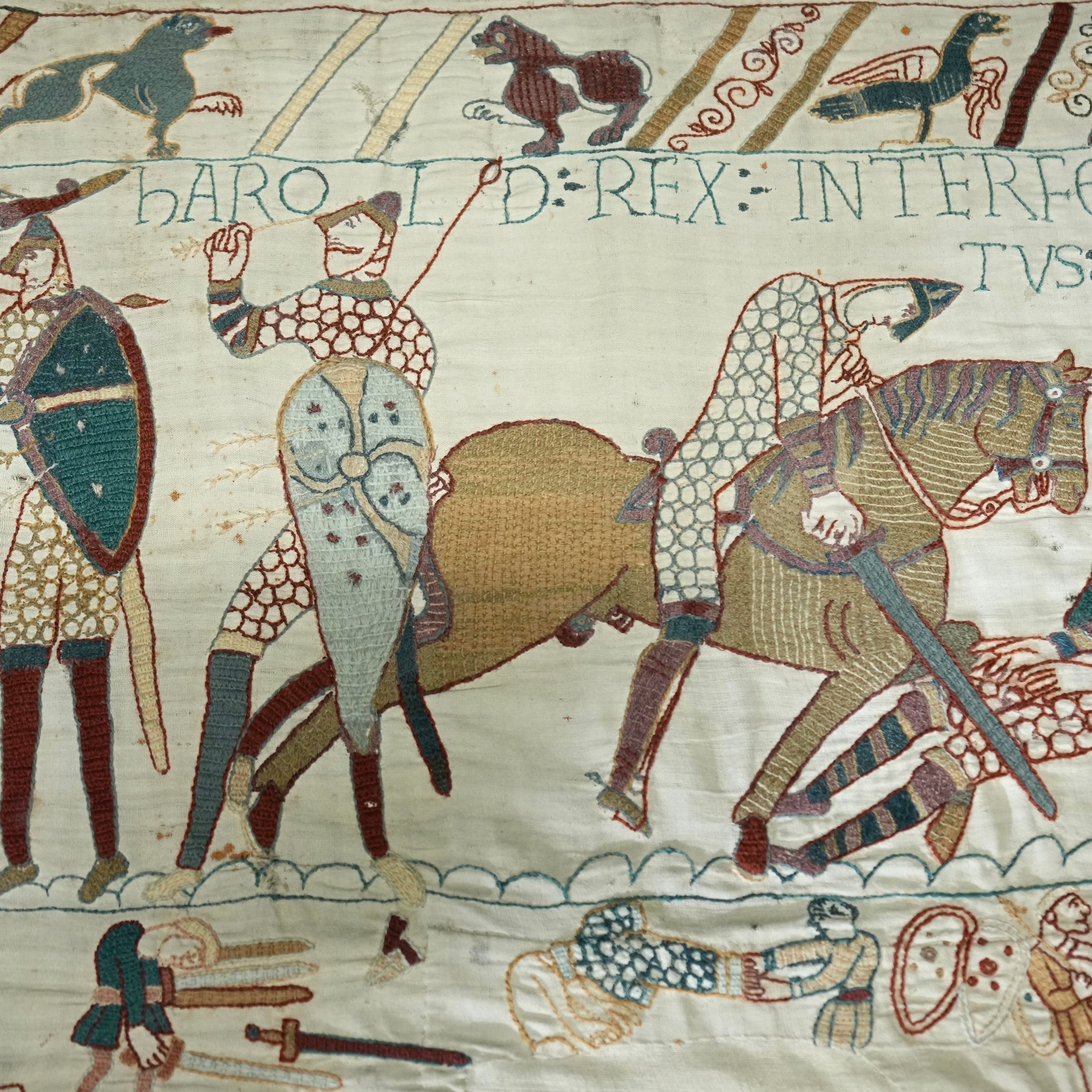
How a 1,000-Year-Old Tapestry Took London by Storm
Culture reporter Alex Marshall explains how the 1,000-year-old Bayeux Tapestry, a piece of fabric depicting the Norman Conquest, became the hottest ticket in London, and why its temporary return to the UK is such a big deal.

The Techno-Religion at the Center of the A.I. Debate
In this episode, Cade Metz explains the origins of the rationalist movement, a powerful subculture that believes in the power of technology to do anything, and how their ideas have influenced the current debate around AI safety.