The Daily · Podcast summary
When Private Equity Comes for Your Favorite Team
Pablo Torre, host of "Pablo Torre Finds Out," explains how big money is transforming professional sports, focusing on the recent record-breaking sale of the Los Angeles Lakers and the increasing influence of institutional investors like private equity firms.
 Listen on the show ↗
Key takeaways
- 💰The Los Angeles Lakers were sold for $12.5 billion, the highest price ever paid for a professional sports team, signaling a growing trend of big money entering sports.00:33
- 💸The seller, Mark Walter, made a $2.5 billion profit by selling the Lakers less than a year after buying them, likely due to financial pressures from a federal investigation into his alleged self-dealing involving $20 billion in transactions.02:20
- 🤖The buyers, Josh Kushner (Thrive Capital) and Bob Iger (former Disney CEO), view sports as an "AI-proof" asset—a live, spontaneous, human, and anti-synthetic good that people will always pay for, even as AI transforms other industries.09:05
- 📺The surging valuations of sports teams are primarily driven by lucrative media rights deals, as live sports are invaluable to networks and streaming services due to their ability to command live viewership and commercial engagement.10:42
- 📈Recent rule changes (2019 for private equity, 2022 for sovereign wealth funds) have opened the door for institutional investors to acquire stakes in sports teams, further fueling the influx of big money.14:05
- 📊The shift to institutional ownership is leading to an "optimization" of sports, where teams are run like businesses with a focus on profit, potentially at the expense of fan loyalty and traditional fandom values.19:03
Chapters
- 0:25Introduction to the Lakers Sale and Big Money in Sports
- 0:36The Seller: Mark Walter and the Federal Investigation
- 0:54The Buyers: Josh Kushner, Bob Iger, and the AI-Proof Asset
- 1:47The Business of Sports: Media Rights and Institutional Investors
- 3:00The Impact on Fandom: Optimization vs. Loyalty
- 4:40The Bubble Question: Is Sports Unsustainable?
The digest
Natalie Kitroeff, host of The Daily, sits down with Pablo Torre, host of "Pablo Torre Finds Out," to discuss the seismic shift occurring in professional sports due to the influx of big money and institutional investors. The conversation centers around the recent, record-breaking sale of the Los Angeles Lakers for $12.5 billion, a deal that serves as a "signal event" in a broader trend of private equity and other large investment groups acquiring stakes in sports teams across the country.
The Lakers Sale: A Signal Event
The sale of the Los Angeles Lakers for an unprecedented $12.5 billion has sent shockwaves through the sports world. This deal, the highest price ever paid for a professional sports team, is not just a standalone event but part of a growing pattern. Big groups of investors are buying stakes in professional sports teams, fundamentally changing how these teams are run. Pablo Torre explains that this sale highlights a dynamic unfolding in sports where people sense and smell "more money here," more money "underneath the ground we are standing on." Sports assets are now demanding sophisticated management and strategy in terms of how they are operated and sold, shifting the focus from winning championships to harvesting financial returns.
Keep reading in The Digest
The full 5-minute article, 5 more sections, and every new episode from The Daily and the creators you follow.
- The Mysterious Seller and the Federal Investigation
- The Buyers: Tech, Media, and the AI-Proof Asset
- The Money Behind the Game: Media Rights and Institutional Investors
- The Impact on Fandom: Optimization vs. Loyalty
- The Bubble Question: Is Sports Unsustainable?
More from The Daily

Chris Rock Has Been Thinking About Forgiveness
Chris Rock discusses his new film Misty Green, reflections on Hollywood, comedy, forgiveness, and personal growth.
He Was Deported to a Country He’d Never Heard Of
Nicholas Casey reveals the Trump administration's controversial practice of deporting immigrants to unfamiliar third countries, spotlighting Roberto Mosquera's harrowing story in Eswatini.

The Best TV Shows of the 21st Century
Gilbert Cruz and James Poniewozik discuss the New York Times' list of the 100 best TV shows of the 21st century, exploring the evolution of television storytelling and culture.

The Trump Administration Defangs the Endangered Species Act
The Trump administration is rolling back environmental protections, specifically targeting the Endangered Species Act. Rachel Abrams speaks with New York Times colleague Catrin Einhorn about the history of the act, the recent changes, and the potential impact on vulnerable animals and ecosystems.
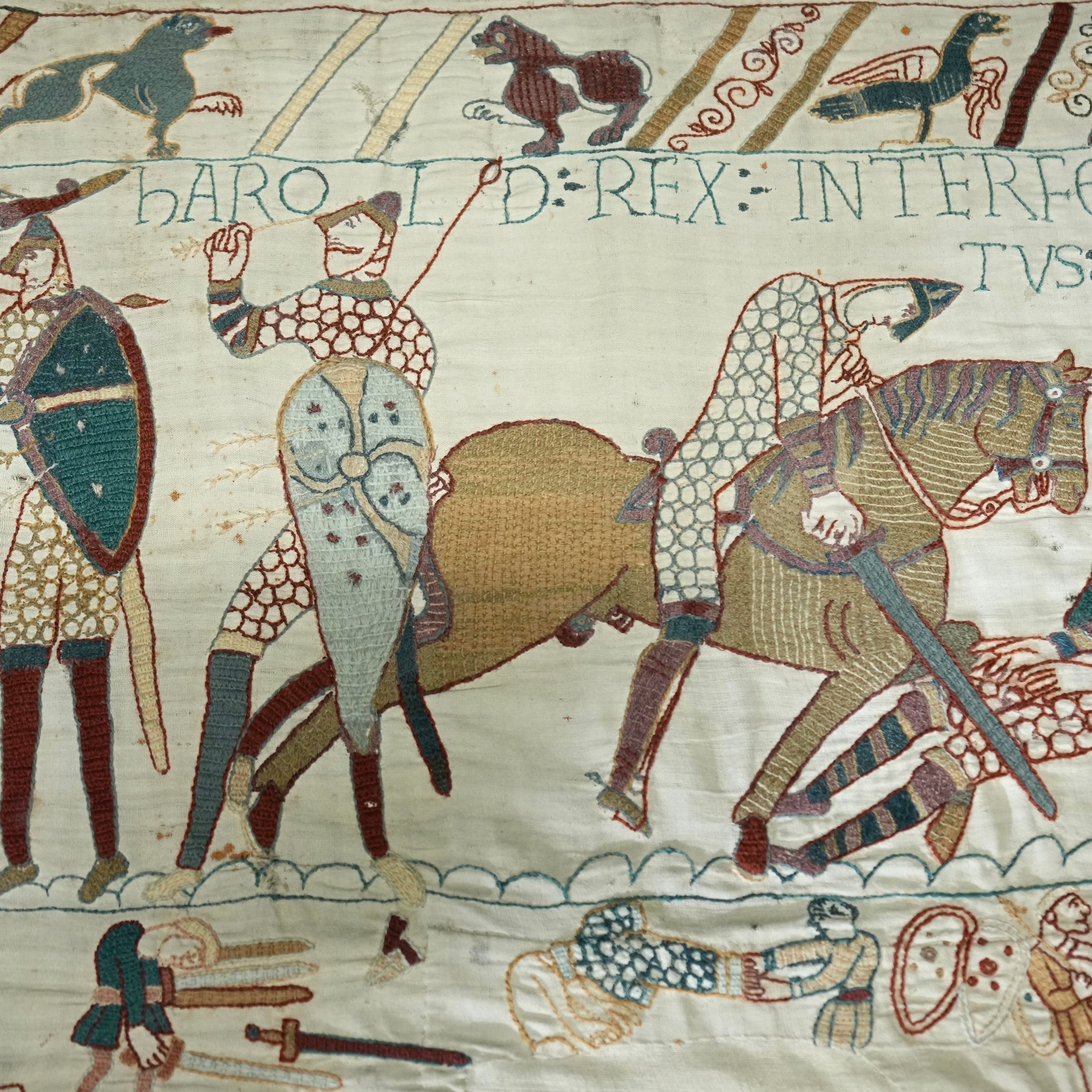
How a 1,000-Year-Old Tapestry Took London by Storm
Culture reporter Alex Marshall explains how the 1,000-year-old Bayeux Tapestry, a piece of fabric depicting the Norman Conquest, became the hottest ticket in London, and why its temporary return to the UK is such a big deal.

Aaron Sorkin Still Believes in American Institutions, Even If No One Else Does
Aaron Sorkin discusses his new film, "The Social Reckoning," a follow-up to "The Social Network," and delves into his writing process, his views on social media, and his enduring optimism for American institutions.