Notes from the Edge · Podcast summary
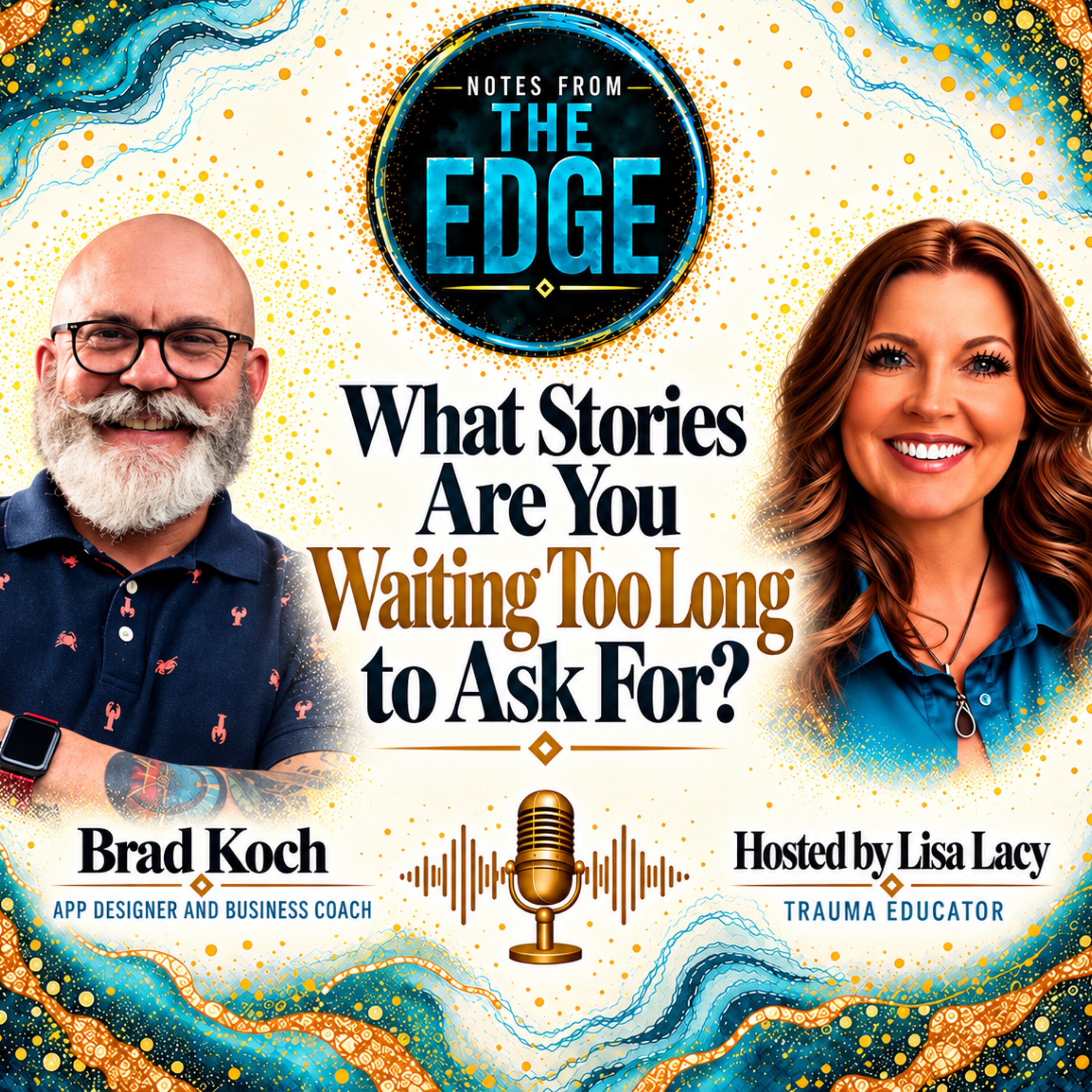
What Stories Are You Waiting Too Long to Ask For? Preserving Family Stories with Brad Koch
Brad Cook, former Marine and business coach, launches Story Project to preserve family stories and deepen connections.

 Listen on the show ↗
Key takeaways
- 🎥Brad’s family started recording elder stories years ago with a bulky video camera, sparking the idea for the Story Project.2:46
- 💔The loss of Brad’s father-in-law highlighted the regret of not having more recorded memories.3:50
- 📖Humans learn and connect better through stories because they allow us to see ourselves in the experience.4:37
- ✉️Lisa discovered her late father’s sensitive side through letters she never opened until after his passing.6:40
- 🌍Story Project helps reconnect distant or estranged family members through shared stories.14:39
- 📱The Story Project sends simple prompts via text or email to elders, making it easy to record stories without tech hassles.15:43
Chapters
- 0:00🎙️ Welcome and Guest Introduction
- 2:14📹 The Origin of the Story Project
- 4:37📚 Why Stories Matter
- 6:29💌 Personal Family Story Reflections
- 14:35🌐 Strengthening Family Connections
- 15:03📲 How the Story Project Works
- 22:00🎞️ Features and Vault Messages
- 27:16🛡️ Masks, Performance, and Asking for Help
- 31:40💭 Closing Thoughts on Memories and Legacy
The digest
Introducing Brad Cook and His Passion Project
Brad Cook, a former United States Marine turned business coach and entrepreneur, has recently launched a heartfelt initiative called the Story Project. After years of helping businesses regain freedom and control, Brad’s new focus is deeply personal: helping families capture and preserve the stories of their elders, or what he calls their VIPs. The Story Project is a digital platform designed to make it easy for families to request and record memories from older generations before those precious stories are lost to time.
Keep reading in The Digest
The full 4-minute article, 8 more sections, and every new episode from Notes from the Edge and the creators you follow.
- The Origin Story: From Family Videos to a Vision
- Why Stories Matter More Than Facts
- Personal Reflections on Family and Memory
- How the Story Project Works
- Unique Features: The Vault and Download Options
- Strengthening Family Bonds Across Distances
- Lessons from Life: Performance, Masks, and Asking for Help
- Final Thoughts: Memories Over Material Things
More from Notes from the Edge

Edge Note: What Happens When You Stop Searching Outside Yourself
Roseanne Anoni, psychotherapist and spiritual teacher, shares her journey of healing, self-forgiveness, and finding presence within.

Can You Regulate a Craving Before It Becomes a Relapse? Addiction Recovery, Relapse Prevention & Nervous System Regulation with Dr. Deborah Rozman
Dr. Deborah Rozman, behavioral psychologist and co-CEO of HeartMath, reveals how heart-brain coherence and HRV biofeedback empower addiction recovery and relapse prevention.
Edge Note: What Did We Forget After Kindergarten?
Kindergarten teacher Tiffany Dennison shares insights from 22 years of teaching, revealing what adults can relearn from children about play, emotional intelligence, and navigating conflict.
What Happens When Success Stops Working? Male Isolation, Emotional Healing & Personal Accountability with Daniel Sterling
Daniel Sterling, author and former professional alpine ski racer, discusses male isolation, emotional healing, and personal accountability, sharing his journey from chasing external validation to finding inner peace.

What If Your Identity Was Built on a Secret? Late-Discovery Adoption, Family Secrets & Reclaiming Identity with Al Isaacs
Al Isaacs, author of "Finding Mary Smith," shares his incredible journey of discovering his adoption at age 52, unraveling decades of family secrets, and redefining his identity through unexpected twists and turns.

Are you performing your worth? Trauma, Treatment-Resistant Depression & ECT with Simone Bowyer
Writer, trauma educator, and executive advisor Simone Bowyer shares her journey through childhood trauma, treatment-resistant depression, and the path to finding her worth beyond performance. She discusses the concept of "the language of survival" and how past coping mechanisms can become maladaptive in adulthood.