The Daily · Podcast summary
The Good, the Bad and the Good-Bad (Movie)
Maya Salam, Rachel Abrams, Gilbert Cruz, and Taffy Brodesser-Akner discuss the concept of "good-bad" movies, exploring what makes these films beloved despite their flaws, and debate their personal favorites.
 Listen on the show ↗
Key takeaways
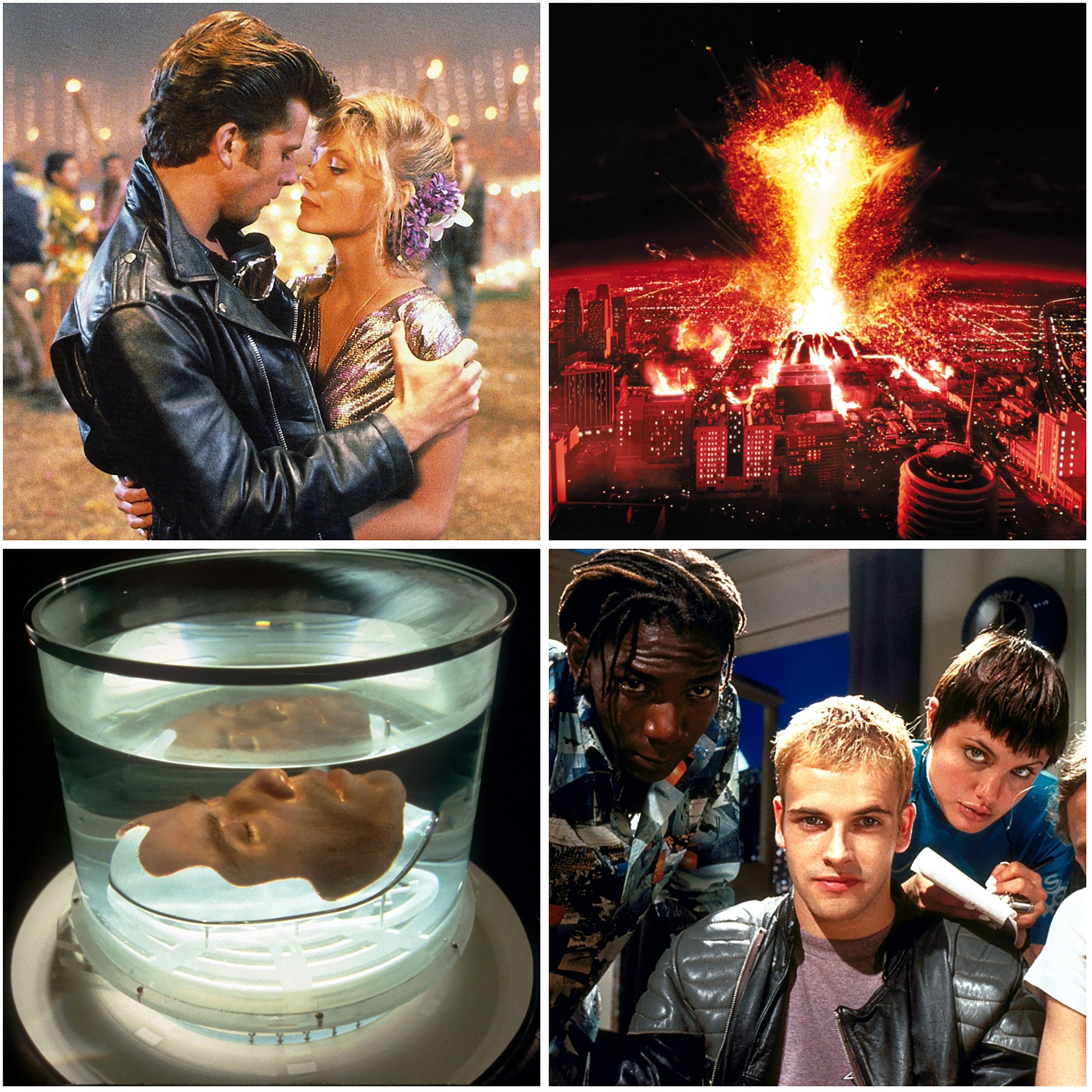
- 🎬Good-bad movies are characterized by being over-the-top, absurd, and highly rewatchable, despite not being considered 'great cinema.'00:49
- 🌋The 1997 film Volcano is a prime example of a good-bad movie, with its ridiculous premise of a volcano erupting in Los Angeles and the main characters' unrealistic composure.00:54
- 🤦♀️A key 'bad' element of Volcano is its 'extremely cringey' attempt to weave in a metaphor for racial tension in 1990s Los Angeles, which felt forced and unnecessary.01:05
- 💖Nostalgia and personal memories often play a significant role in why people love good-bad movies, as these films can be tied to specific periods or events in their lives.01:55
- 🎶Grease 2 (1982) is considered a good-bad camp classic due to its raunchy humor, cheesy musical numbers, and over-the-top performances, despite its initial box office failure.02:31
- 💾Hackers (1995) is a good-bad film that serves as a time capsule of 90s internet culture, with its unique cyberpunk fashion and comically inaccurate depictions of hacking.02:56
Chapters
- 0:31Introduction to Good-Bad Movies
- 0:49Defining Good-Bad Movies
- 0:54Volcano: A Good-Bad Example
- 17:07The Appeal of Low-Stakes Debates
- 38:36Grease 2: Maya's Pick
- 45:40Hackers: Gilbert's Pick
- 55:40Face/Off: Taffy's Pick
- 1:07:18Concluding Thoughts and Listener Engagement
The digest
In a special Sunday episode of The Daily, Rachel Abrams, joined by Maya Salam, Gilbert Cruz, and Taffy Brodesser-Akner, delves into the fascinating world of "good-bad" movies. These are films that, despite their obvious flaws, hold a special place in the hearts of many viewers. The discussion explores the criteria for what constitutes a good-bad movie, why people are drawn to them, and the cultural significance of these often-mocked yet deeply cherished cinematic experiences.
Defining "Good-Bad" Movies
Maya Salam, who has been writing a column about good-bad movies for The New York Times, kicks off the discussion by attempting to define this elusive genre. She explains that there's no single rubric, but for her, a good-bad movie typically features elements that are "completely over the top" or "completely absurd." Crucially, these films must be "highly watchable, highly rewatchable." While they may not be considered "great cinema," they are "infectious" and "beloved," often inspiring strong feelings and memories. Maya emphasizes that there are no wrong answers when it comes to personal definitions of a good-bad movie.
Keep reading in The Digest
The full 5-minute article, 6 more sections, and every new episode from The Daily and the creators you follow.
- Volcano: A Case Study in Good-Bad
- The Allure of Low-Stakes Debates
- Nostalgia and Personal Connection
- Grease 2: A Horny, Cheesy Earworm
- Hackers: A Time Capsule of Early Internet Culture
- Face/Off: A Bonkers Masterpiece
More from The Daily

Chris Rock Has Been Thinking About Forgiveness
Chris Rock discusses his new film Misty Green, reflections on Hollywood, comedy, forgiveness, and personal growth.
He Was Deported to a Country He’d Never Heard Of
Nicholas Casey reveals the Trump administration's controversial practice of deporting immigrants to unfamiliar third countries, spotlighting Roberto Mosquera's harrowing story in Eswatini.

The Best TV Shows of the 21st Century
Gilbert Cruz and James Poniewozik discuss the New York Times' list of the 100 best TV shows of the 21st century, exploring the evolution of television storytelling and culture.

The Trump Administration Defangs the Endangered Species Act
The Trump administration is rolling back environmental protections, specifically targeting the Endangered Species Act. Rachel Abrams speaks with New York Times colleague Catrin Einhorn about the history of the act, the recent changes, and the potential impact on vulnerable animals and ecosystems.
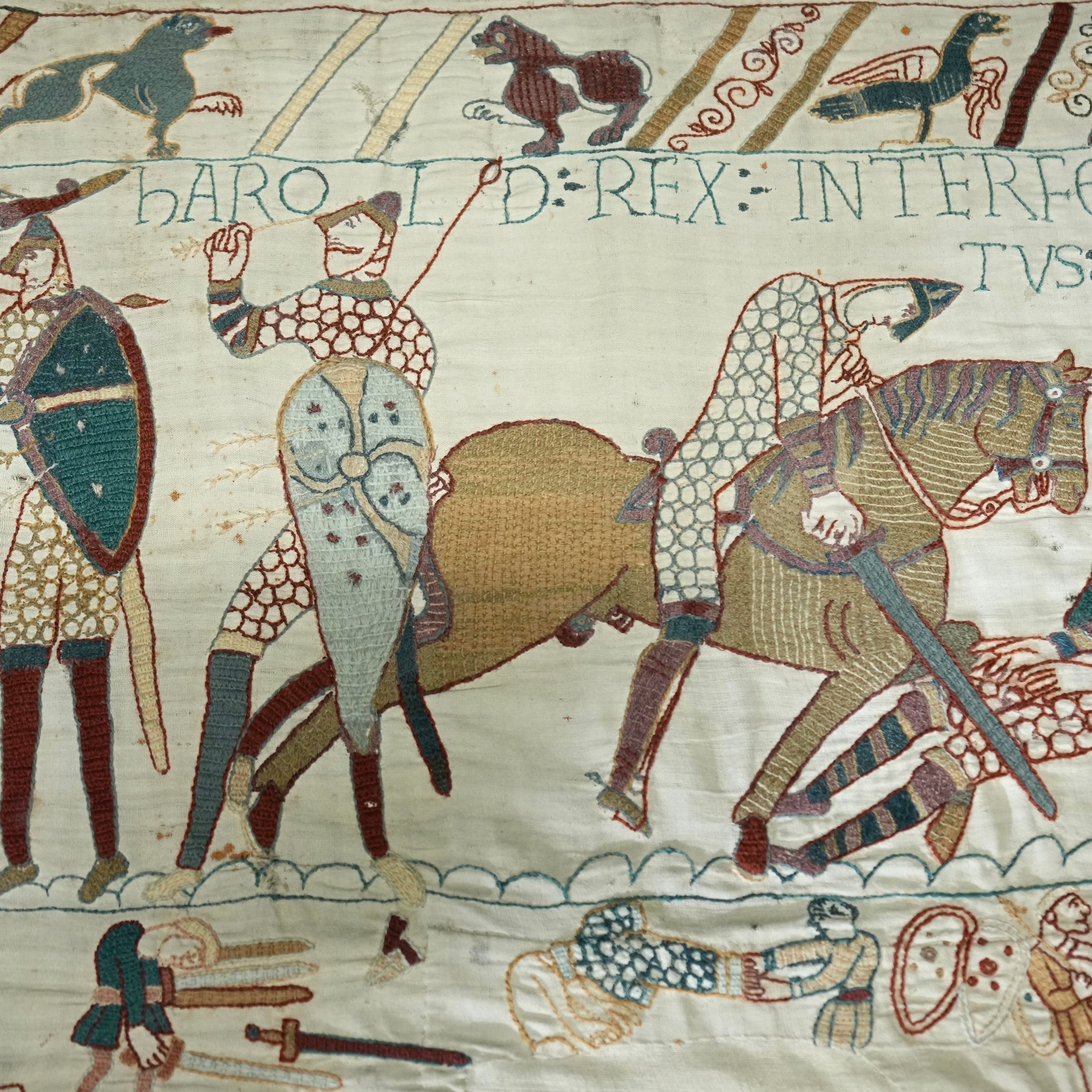
How a 1,000-Year-Old Tapestry Took London by Storm
Culture reporter Alex Marshall explains how the 1,000-year-old Bayeux Tapestry, a piece of fabric depicting the Norman Conquest, became the hottest ticket in London, and why its temporary return to the UK is such a big deal.

Aaron Sorkin Still Believes in American Institutions, Even If No One Else Does
Aaron Sorkin discusses his new film, "The Social Reckoning," a follow-up to "The Social Network," and delves into his writing process, his views on social media, and his enduring optimism for American institutions.