Today, Explained · Podcast summary
The end of etiquette
John Glynhill explores the decline of social etiquette with experts Kirstie Sedgman, Lizzie Post, and Tessa West, revealing how manners shape society, public spaces, and workplaces today.

 Listen on the show ↗
Key takeaways
- 🚆Nearly half of Americans have noticed increased rudeness in public since the COVID pandemic, reflecting a decline in social etiquette.2:06
- 🤝The social contract, a set of norms encouraging trust and pro-social behavior, is foundational to civilization and etiquette.4:27
- ✈️On airplanes, simple gestures like asking permission before reclining seats can ease conflicts and maintain courtesy.7:45
- 📱Phone etiquette is a modern challenge; loud calls and speakerphone use in public spaces are common breaches of manners.15:29
- 👥Correcting others’ rude phone behavior is tricky; polite requests can help but may be met with defensiveness.17:40
- 📵Putting phones away during social interactions, like meals, minimizes distractions and shows respect to others present.19:52
Chapters
- 1:32🚉 Manners in Public Spaces
- 3:24📜 The Social Contract and Society
- 6:12✈️ Navigating Public Transportation Etiquette
- 13:09📱 Modern Phone Etiquette Challenges
- 16:50💬 When to Intervene on Rude Behavior
- 24:20🏢 Workplace Manners and Generational Conflict
- 28:27📝 Creating Explicit Norms at Work
- 30:32🗣️ Improving Workplace Communication
- 31:40🎙️ Wrapping Up: Etiquette as a Living Practice
The digest
The Lost Art of Manners
John Glynhill opens the conversation by lamenting the apparent disappearance of basic etiquette in public spaces. He recounts a personal experience of a woman pushing ahead in a train line, questioning why some people seem to believe they are exempt from social rules. Nearly half of Americans have noticed an increase in rudeness since the COVID-19 pandemic, signaling a broader cultural shift. Manners, Glynhill notes, are essential because they encourage us to consider others and avoid antisocial or dangerous behavior.
Keep reading in The Digest
The full 4-minute article, 8 more sections, and every new episode from Today, Explained and the creators you follow.
- The Social Contract: Foundation of Civilization
- Individualism vs. Communitarianism in Public Spaces
- The Evolution of Etiquette: Insights from Lizzie Post
- Managing Phone Etiquette and Public Courtesy
- The Complexities of Texting and Response Expectations
- Workplace Manners and Intergenerational Conflict
- Building Respectful Workplaces Through Communication
- Conclusion: Etiquette as a Living Practice
More from Today, Explained

The GOP strategy: Ignore Trump
Vivek Ramaswamy runs for Ohio governor amid Republican struggles with Trump’s unpopularity and midterm challenges.

Our AI Cold War
Andrew Prokop and Kyle Chan discuss the AI strategies of Donald Trump and China, revealing a complex AI cold war marked by competing visions, open source debates, and geopolitical tensions.

Trump’s temper tantrum
Jonathan Edwards from the Washington Post explains the ongoing saga of President Trump's attempts to rename the Kennedy Center and the White House ballroom, revealing a deeper obsession with his legacy.

We should party more
Imogen "Immy" Williams, author of "Up All Night: A History of Going Out," and party host Halston Bruce explain how to throw the perfect party and why parties are so important for human connection.

Latino voters swing back
Stephanie Valencia, co-founder and president of Equis, and Manny Rutinel, Democratic congressional candidate, discuss the evolving landscape of Latino voters, challenging traditional political assumptions and highlighting the critical role of economic issues and cultural understanding in electoral success.
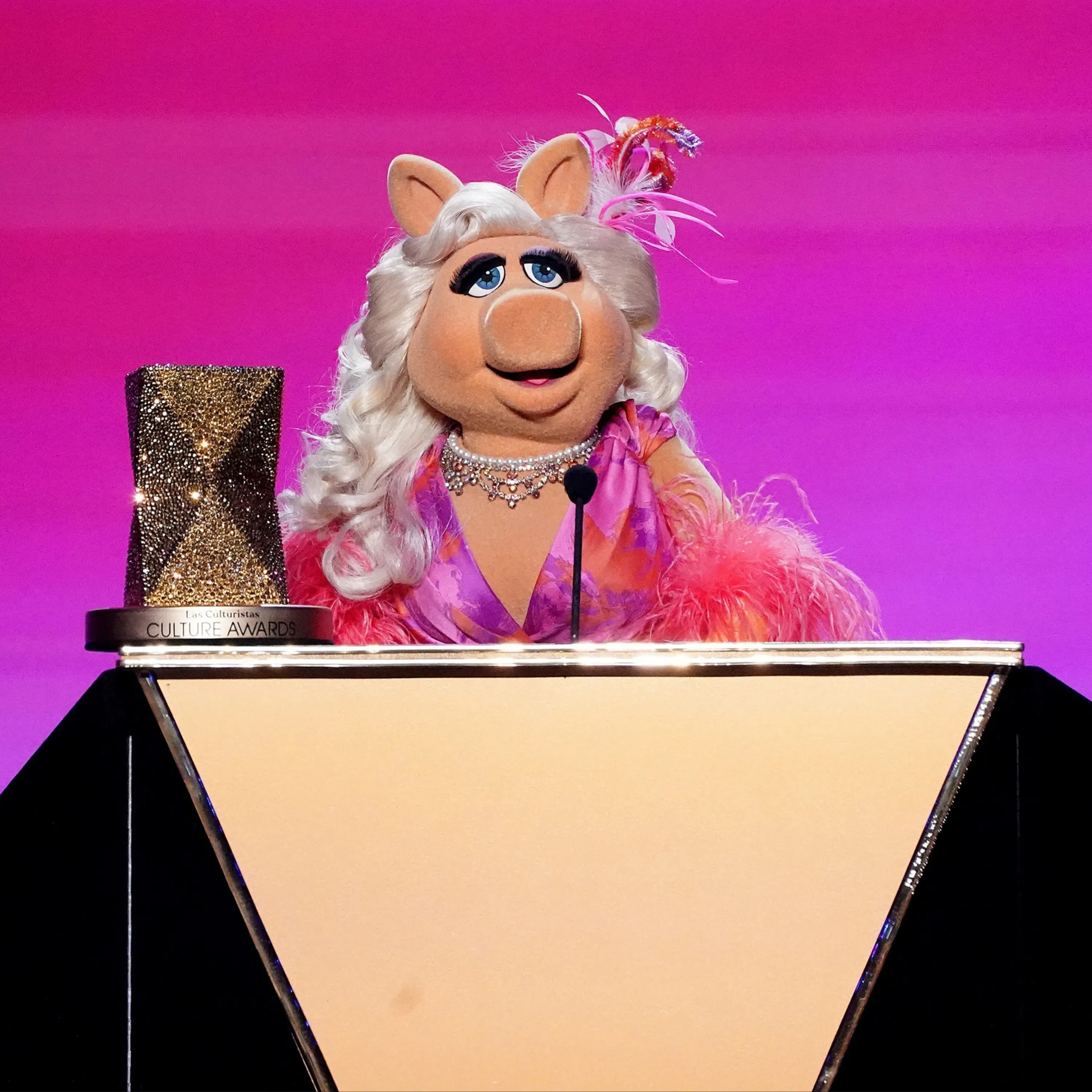
Miss Piggy, feminist diva
Angelica Jade Bastién, a critic at New York Magazine and Vulture, discusses the enduring appeal of Miss Piggy and how she reflects changing perceptions of women in media, particularly those in middle age and later life.