
Creator
Today, Explained summaries
Every long episode from Today, Explained, read in minutes: the key takeaways, the chapters, and a digest of the whole conversation. Today, Explained is Vox's daily news explainer podcast. Hosts Sean Rameswaram and Noel King will guide you through the most important stories of the day. Part of the Vox Media Podcast Network.

The GOP strategy: Ignore Trump
Vivek Ramaswamy runs for Ohio governor amid Republican struggles with Trump’s unpopularity and midterm challenges.

Our AI Cold War
Andrew Prokop and Kyle Chan discuss the AI strategies of Donald Trump and China, revealing a complex AI cold war marked by competing visions, open source debates, and geopolitical tensions.

The end of etiquette
John Glynhill explores the decline of social etiquette with experts Kirstie Sedgman, Lizzie Post, and Tessa West, revealing how manners shape society, public spaces, and workplaces today.

Trump’s temper tantrum
Jonathan Edwards from the Washington Post explains the ongoing saga of President Trump's attempts to rename the Kennedy Center and the White House ballroom, revealing a deeper obsession with his legacy.

We should party more
Imogen "Immy" Williams, author of "Up All Night: A History of Going Out," and party host Halston Bruce explain how to throw the perfect party and why parties are so important for human connection.

Latino voters swing back
Stephanie Valencia, co-founder and president of Equis, and Manny Rutinel, Democratic congressional candidate, discuss the evolving landscape of Latino voters, challenging traditional political assumptions and highlighting the critical role of economic issues and cultural understanding in electoral success.

Miss Piggy, feminist diva
Angelica Jade Bastién, a critic at New York Magazine and Vulture, discusses the enduring appeal of Miss Piggy and how she reflects changing perceptions of women in media, particularly those in middle age and later life.

Speaking up for Gaza
The Israeli government is attempting to strip citizenship from two Israeli directors who made an acclaimed documentary detailing atrocities in Gaza. This episode explores the controversy surrounding the film and the broader implications of boycotts and protests related to the Israeli-Palestinian conflict.

Good news about Alzheimer’s
Investigative journalist Charles Piller and Vox reporter Dylan Scott discuss the history of Alzheimer's research, a major fraud that derailed progress, and the promising new treatments and preventative measures emerging today.

Our Great Big AI Freakout
Vox's Andrew Prokop and Wired's Maxwell Zeff discuss the growing alarm about AI's potential dangers, the industry's response, and the political landscape surrounding AI regulation.

The anti-Muslim midterms
Christian Paz of Vox explains how Islamophobia has become a kind of currency among some Republicans in the run-up to the midterms, and journalist Rosina Ali discusses the historical context and the current political landscape.

How to date IRL
Faith Hill, a staff writer for The Atlantic, discusses the current state of dating and why many people are ditching dating apps for real-life connections.

Your midterms study guide
This week, Vox political editor Benji Sarlin joins us to answer your audience questions about the upcoming midterm elections.

How 9/11 became a meme
Whitney Phillips, an associate professor of information politics and media ethics, explains how 9/11 became a meme. Manny Marotta, a 27-year-old, discusses his project to relive 9/11 on Twitter as if it were happening today.

Trump's mail-in meltdown
Andrew Kaczynski of CNN and Patrick Marley of The Washington Post discuss how Donald Trump's claims of voter fraud are impacting the upcoming midterm elections and the future of American democracy.

How to tax the (really) rich
California is considering a ballot initiative to tax the super-rich. We hear from Jeremy B. White, Joshua Rauh, and Cristobal Young about the pros and cons of taxing billionaires.

How private equity ate youth sports
Caitlin Moscatello, a journalist and contributor to New York Magazine, discusses how private equity firms have transformed youth sports into a multi-billion dollar industry, making it increasingly unaffordable for many families and potentially harmful to young athletes. She also explains the broader implications of private equity's growing influence across various sectors of American life.

Meta cares about kids now?!
Lauren Feiner of The Verge and Parresh Dave of Wired discuss Meta's recent settlement with states regarding teen mental health, the implications for other social media platforms, and the challenges of age verification and content regulation.

Is anything safe to eat?
Helena Bottemiller Evich, founder and editor-in-chief of Food Fix, discusses the recent surge in food recalls and outbreaks, and whether the American food system is truly safe.

How to survive a flop
In this episode of "Explained to Me," Dan Wilson, the Grammy-winning songwriter and producer, discusses the art of the flop, the changing landscape of music popularity, and how artists can navigate the unpredictable nature of success and failure in the industry.

The politics of Gen Z
Rachel Janfaza, a Gen Z researcher, joins us to discuss the political independence of Gen Z, their economic anxieties, and their distrust of institutions.

Dolly Parton's platform
Marissa R. Moss of Rolling Stone and Judy Kurtz of The Hill discuss how Dolly Parton navigated politics and why other celebrities struggle to do the same.
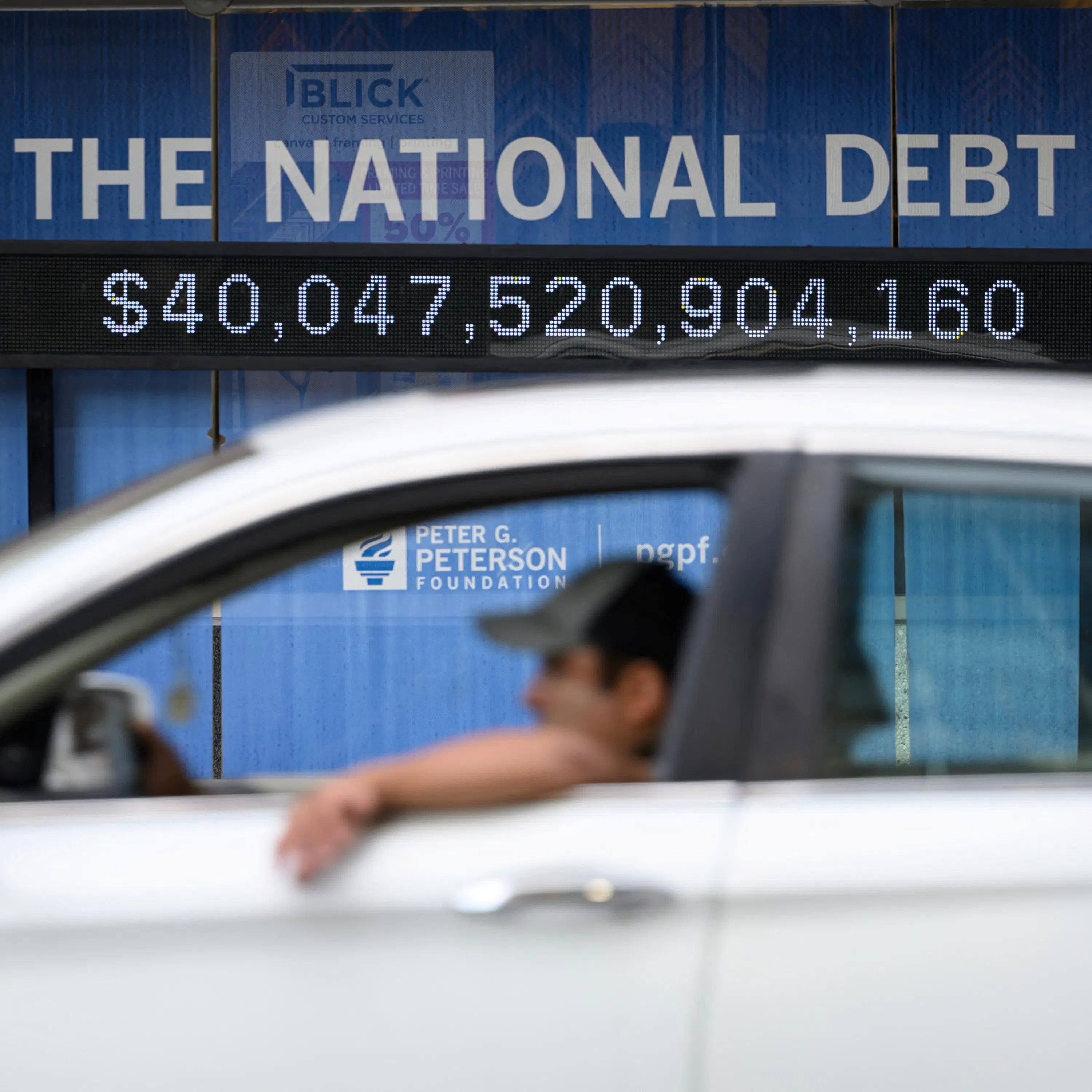
Our $40,000,000,000,000 debt
Jared Bernstein, former Chief Economist to Vice President Biden, explains why the national debt is so high, and what we can do about it.

Trump’s Ballroom Blitz
Sarah Blaskey, an investigative reporter for The Washington Post, and Ian Millhiser, a senior correspondent at Vox, discuss the legal and financial controversies surrounding former President Trump's ambitious ballroom project at the White House.