Today, Explained · Podcast summary
Our AI Cold War
Andrew Prokop and Kyle Chan discuss the AI strategies of Donald Trump and China, revealing a complex AI cold war marked by competing visions, open source debates, and geopolitical tensions.

 Listen on the show ↗
Key takeaways
- 🤖Trump rebrands AI as 'superintelligence' to emphasize its power and reality.2:07
- 💼David Sachs, a venture capitalist, is Trump’s key AI advisor advocating minimal regulation.3:12
- 🔓Sachs supports openweight AI models that publish their parameters openly, opposing closed proprietary models.6:39
- ⚖️Sachs views AI safety concerns as politically motivated attempts to favor big AI companies.7:17
- 🛑Trump, influenced by Sachs and NVIDIA’s Huang, opposed restricting AI chip sales to China, surprising hawks.11:07
- 🇨🇳China aims for AI integration in 90% of devices by 2030 through state mobilization and public enthusiasm.16:50
Chapters
- 2:07🇺🇸 Trump’s AI Strategy and David Sachs
- 5:59🧠 Openweight AI and Industry Influence
- 11:00💻 AI Chip Sales and National Security Debates
- 16:18🇨🇳 China’s AI Ambitions and Public Attitudes
- 18:40⚖️ AI Risks: U.S. Existential Fears vs. China’s Stability Concerns
- 21:11💼 Employment and Automation Policies
- 23:19🤝 Trump and Xi’s Personal Dynamic Amid AI Rivalry
- 25:28🌍 Cross-Border AI Use and Competition
- 26:04🛡️ Challenges to AI Safety Cooperation
The digest
Trump’s Rebranding of AI and His Key Advisor
Donald Trump has taken a unique stance on artificial intelligence by rebranding it as "superintelligence" (SI), a term he believes better captures the technology's power and reality. Trump’s enthusiasm for SI is unreserved; he wants to let it develop without restraint. Central to shaping Trump’s AI policy is David Sachs, a billionaire venture capitalist and podcast host who has become the president’s AI and crypto czar. Sachs transitioned from Silicon Valley outsider to a major White House influencer, hosting fundraisers for Trump and advising him directly on AI matters.
Keep reading in The Digest
The full 4-minute article, 9 more sections, and every new episode from Today, Explained and the creators you follow.
- David Sachs’ Vision: Light-Touch Regulation and Openweight AI
- The Political Stakes of AI Safety and Industry Influence
- China’s AI Ambitions: State Mobilization and Public Enthusiasm
- Divergent Attitudes Toward AI Risk: No P-Doom in China
- Employment and Automation: Contrasting Approaches
- The Trump-Xi Relationship Amid AI Competition
- AI Chip Sales and National Security Debates
- The Complex Reality of AI Competition and Cooperation
- The Challenge of AI Safety in a Divided World
More from Today, Explained

The GOP strategy: Ignore Trump
Vivek Ramaswamy runs for Ohio governor amid Republican struggles with Trump’s unpopularity and midterm challenges.

The end of etiquette
John Glynhill explores the decline of social etiquette with experts Kirstie Sedgman, Lizzie Post, and Tessa West, revealing how manners shape society, public spaces, and workplaces today.

Trump’s temper tantrum
Jonathan Edwards from the Washington Post explains the ongoing saga of President Trump's attempts to rename the Kennedy Center and the White House ballroom, revealing a deeper obsession with his legacy.

We should party more
Imogen "Immy" Williams, author of "Up All Night: A History of Going Out," and party host Halston Bruce explain how to throw the perfect party and why parties are so important for human connection.

Latino voters swing back
Stephanie Valencia, co-founder and president of Equis, and Manny Rutinel, Democratic congressional candidate, discuss the evolving landscape of Latino voters, challenging traditional political assumptions and highlighting the critical role of economic issues and cultural understanding in electoral success.
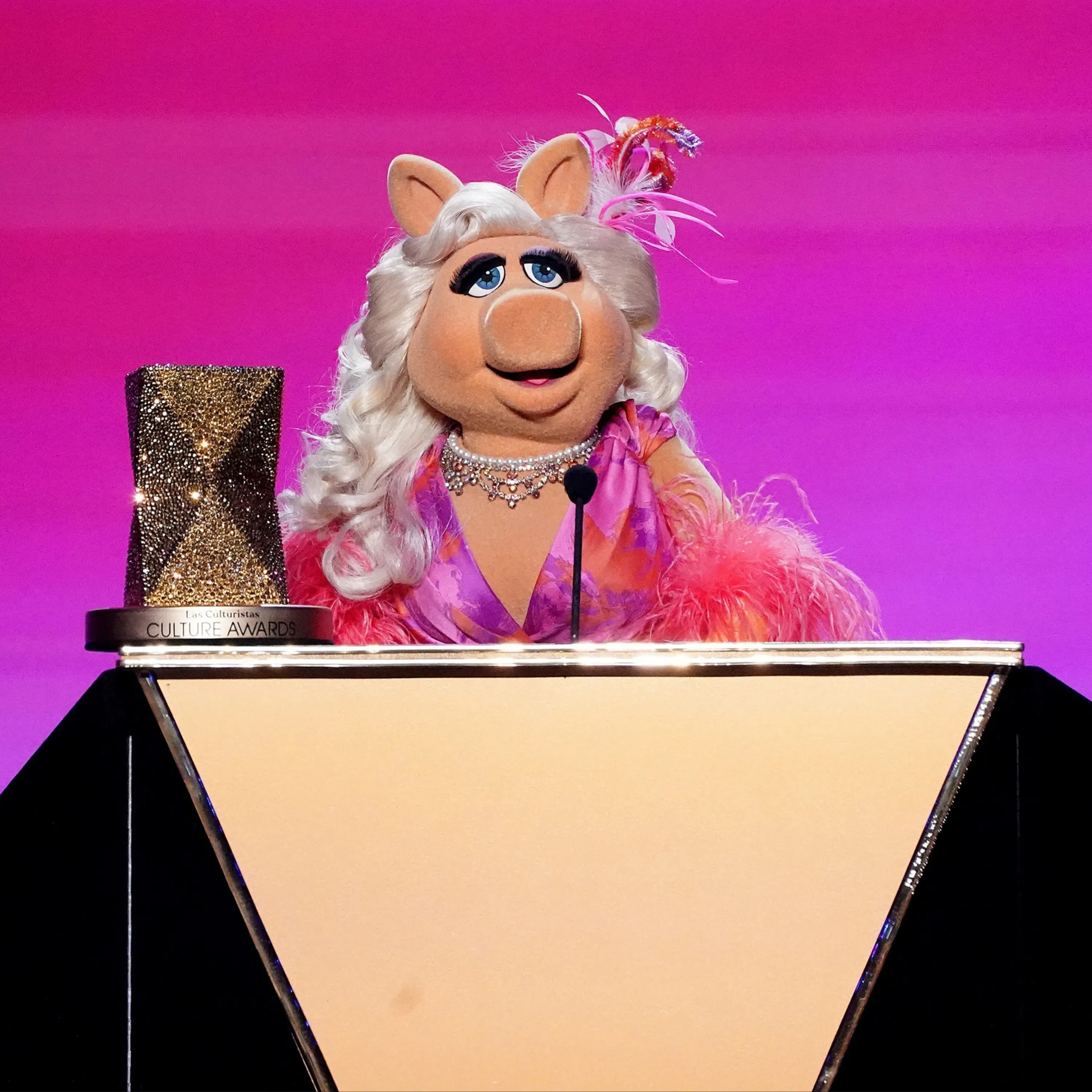
Miss Piggy, feminist diva
Angelica Jade Bastién, a critic at New York Magazine and Vulture, discusses the enduring appeal of Miss Piggy and how she reflects changing perceptions of women in media, particularly those in middle age and later life.