Up First from NPR · Podcast summary
The Clancy trial and a split over postpartum psychosis
WBUR's Deborah Becker discusses the murder trial of Lindsay Clancy, a Massachusetts mother accused of killing her three small children, and the broader implications for how society treats the mental health of new mothers.

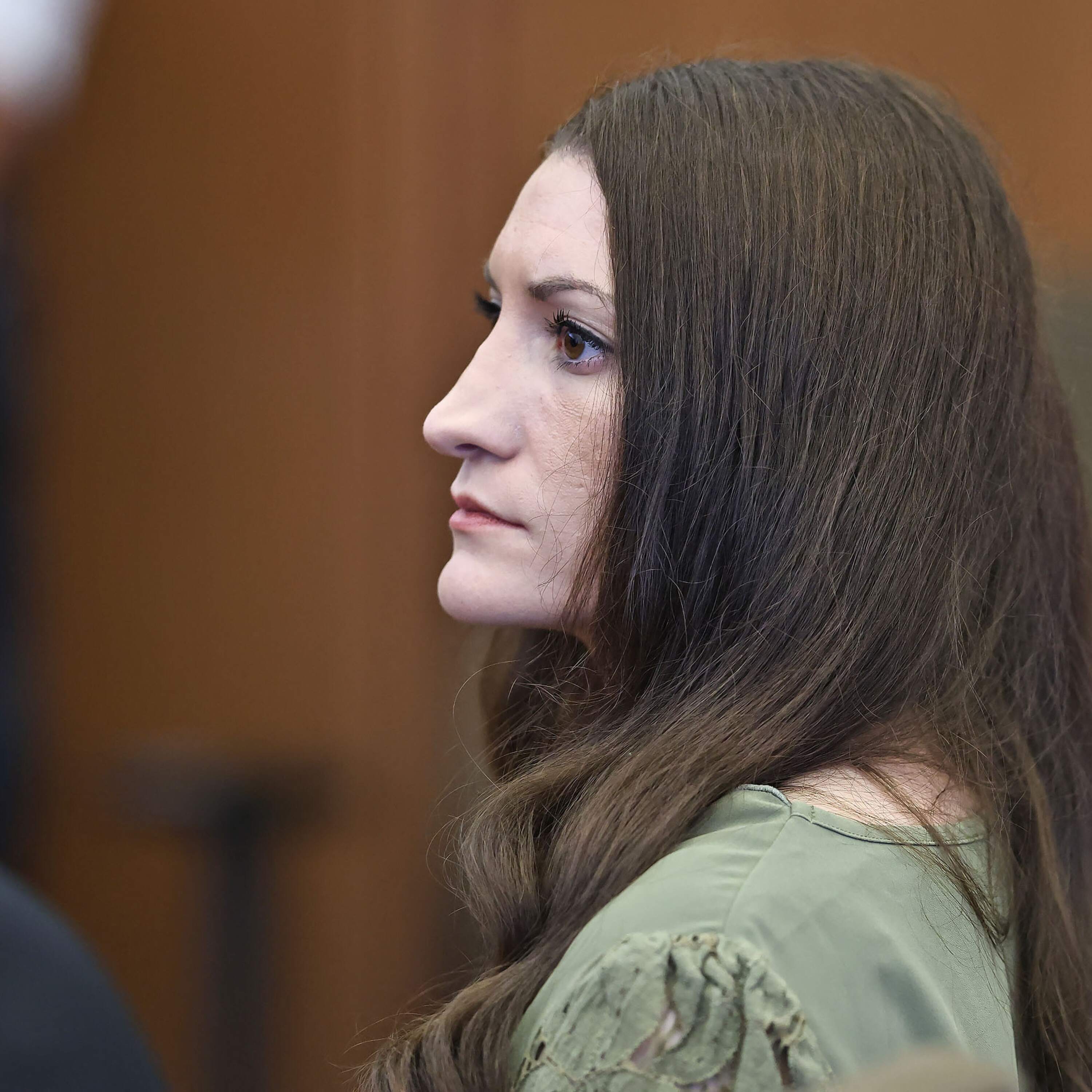 Listen on the show ↗
Key takeaways
- ⚖️The murder trial of Lindsay Clancy, a Massachusetts mother accused of killing her three small children, ended in a mistrial, sparking intense debate about postpartum psychosis and maternal mental health.00:17
- 🧠The defense argued Lindsay Clancy was not criminally responsible due to postpartum psychosis, while the prosecution claimed she intentionally planned the killings.00:28
- 🤰The trial highlighted the mental health challenges faced by new mothers, with experts disagreeing on the definition of the postpartum period and the diagnosis of psychosis.00:43
- 🏥Lindsay Clancy made multiple attempts to seek help for her mental health, including prescriptions, hospitalizations, and calling a suicide hotline, but largely managed her own care.01:14
- 🚫The jury was deadlocked due to one holdout juror who had reasonable doubt about Clancy's criminal responsibility but refused to issue a not guilty verdict by reason of insanity.01:59
- 🗣️The trial generated significant public attention, with supporters advocating for Clancy and highlighting the failures of the mental health system for mothers.02:08
Chapters
- 0:10Introduction to the Lindsay Clancy Trial
- 5:03The Trial's Focus: Postpartum Psychosis vs. Intentional Killing
- 13:54Understanding Postpartum Psychosis
- 21:45Clancy's Attempts to Seek Help
- 29:55The Mistrial and Jury Deadlock
- 33:59Public Reaction and Media Frenzy
- 42:06Societal Impact and Future of Maternal Mental Health Care
The digest
In a case that has gripped national and international attention, the murder trial of Lindsay Clancy, a Massachusetts mother accused of strangling her three young children, ended in a mistrial. WBUR correspondent Deborah Becker, who covered the trial from inside the Plymouth courthouse, provides a comprehensive overview of the complex legal proceedings, the arguments from both the prosecution and defense, and the societal implications surrounding maternal mental health.
The Tragic Events and Legal Proceedings
Lindsay Clancy, 36, was tried on three counts of first-degree murder for the deaths of her daughter Cora (5), son Dawson (3), and infant son Callan (8 months) in January 2023. Her then-husband, Patrick Clancy, discovered the children in the basement of their home after returning from errands his wife had asked him to run. He also found Lindsay badly injured in their yard after she jumped from a second-story window in a suicide attempt, which left her paralyzed from the waist down. Patrick Clancy's harrowing 911 call, played for the jurors, was described by Becker as "so disturbing" and something she would "never forget."
The core of the trial revolved around Clancy's mental state at the time of the killings. The defense argued that Clancy was suffering from severe postpartum psychosis, exacerbated by multiple prescriptions, and was therefore not criminally responsible for her actions. Her defense attorney, Kevin Reddington, claimed Clancy was in the throes of a "psychotic delusion" and should not be held criminally responsible. Conversely, the prosecution asserted that Clancy intentionally planned the killings, citing her ability to drive, communicate, and send her husband on errands that day. Assistant District Attorney Jennifer Sprague described Clancy's actions as "extreme cruelty and atrocity," a requirement for a first-degree murder conviction in Massachusetts.
Keep reading in The Digest
The full 5-minute article, 4 more sections, and every new episode from Up First from NPR and the creators you follow.
- The Role of Postpartum Psychosis and Mental Health Care
- A Flawed System: Clancy's Attempts to Get Help
- The Mistrial and Public Reaction
- Broader Implications and Future Steps
More from Up First from NPR

Can clergy candidates help Democrats win in red states?
NPR religion correspondent Jason DeRose explores how Democratic clergy candidates in red states use faith to connect with voters and counter Republican attacks.
An American journalist missing in Syria: what happened?
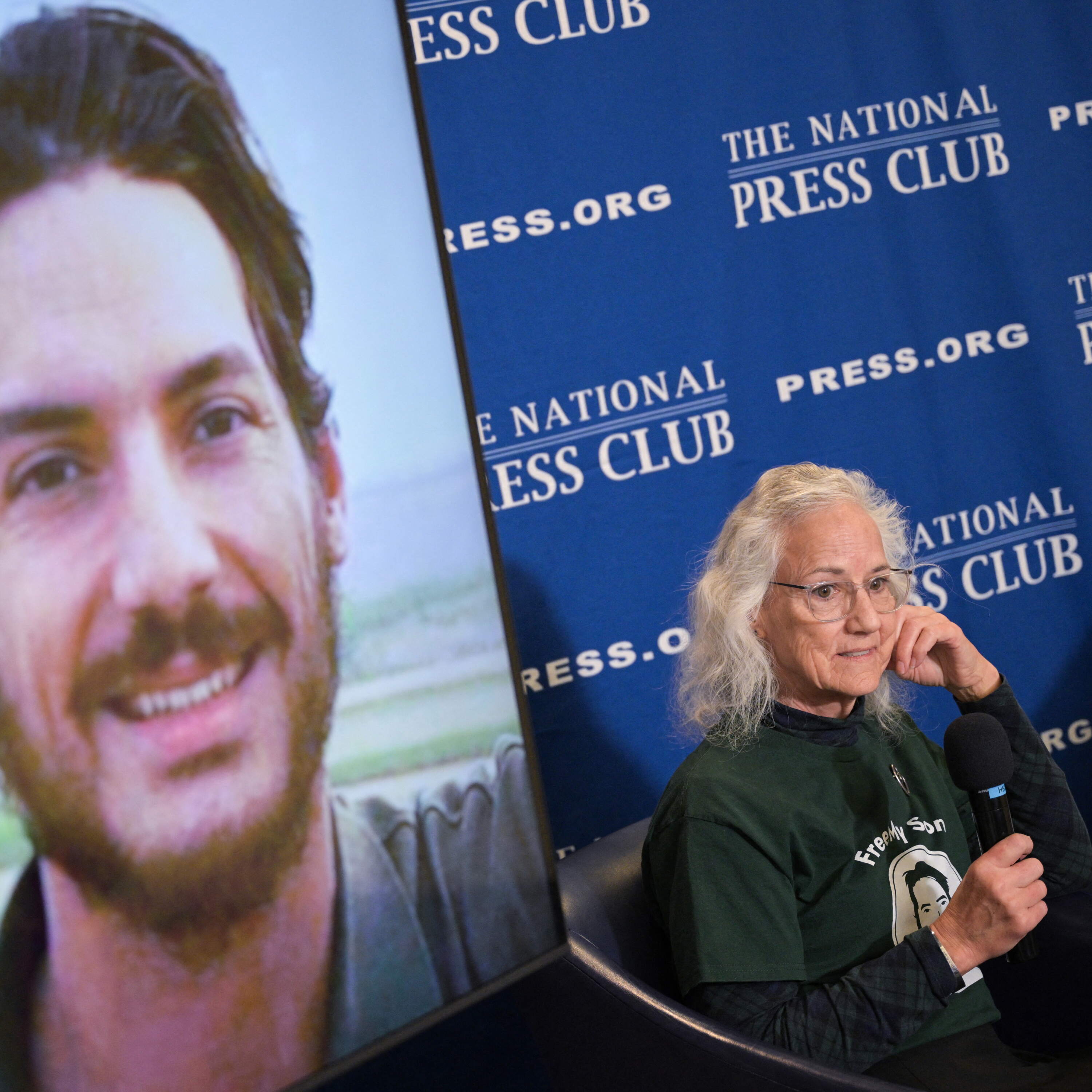
This episode delves into the disappearance of American journalist Austin Tice in Syria, a case that has remained unsolved for over a decade. It features investigative journalists Josh Baker and Sarah Obeidat as they follow Tice's trail, uncovering a complex story of power struggles, secret documents, and the relentless efforts of his mother, Debra Tice, to bring him home.

From SPF to skin color, sunscreen’s effectiveness is complicated
Justine Paradis of New Hampshire Public Radio reports on the complex world of sunscreen, from its surprising history and chemical makeup to its effectiveness and the complicated public health advice surrounding its use for different skin types.

A Wild West revenge tale and the Black roots of cowboy culture
Shaboozey, the Grammy-winning singer-songwriter, discusses his new album, "The Outlaw, Sherry Lee, and Other Western Tales," a high-concept project that fuses hip-hop with country, spoken word, and ballads, all while exploring the Black roots of cowboy culture.

A visit to the remote Pacific island ecosystem losing protections
NPR's Lauren Summer reports on her visit to Palmyra Atoll, a remote Pacific island ecosystem that is losing federal protections.