Up First from NPR · Podcast summary
A visit to the remote Pacific island ecosystem losing protections
NPR's Lauren Summer reports on her visit to Palmyra Atoll, a remote Pacific island ecosystem that is losing federal protections.

 Listen on the show ↗
The digest
Palmyra Atoll, a tiny speck of land in the vast Pacific Ocean, is a place few people have ever seen. It's home to some of the world's most pristine ecosystems, teeming with large colonies of seabirds, thriving coral reefs, and pods of melon-headed whales. These islands and atolls are U.S. territories, but no one lives there permanently; they belong to the wildlife. The waters around these atolls are protected as U.S. Marine National Monuments, covering more than a million square miles of ocean, making them the country's largest fully protected conservation areas. However, the Trump administration is now attempting to change this by opening some of these protected waters to commercial fishing, reigniting a battle between the fishing industry, conservationists, and Native Hawaiians.
Journey to Palmyra Atoll
NPR's Lauren Summer embarked on a challenging journey to Palmyra Atoll, located approximately 1,000 miles south of Hawaii. This isn't a destination where one can simply book a ticket online. Summer explained that it took months to get permission to visit because it's a National Wildlife Refuge, off-limits to the general public. Even packing for the trip required extra work, starting in her kitchen. Everything she brought had to be frozen in advance for 48 hours. The reason for this unusual requirement, Summer clarified, was to "kill off any hitchhikers"—bugs or seeds that might inadvertently be introduced to the pristine ecosystem of Palmyra Atoll. After a flight to Honolulu, she boarded a small chartered jet that makes the two-hour flight to Palmyra, at most, once or twice a month.
Upon approach, Summer was struck by the sight of bright turquoise water surrounded by the deep blue Pacific Ocean. The atoll itself is a ring of low-lying islands, only a little more than four square miles in size. Chris Ryan, the Palmyra Atoll Preserve Manager, greeted her, noting that the population sign for the station had just been updated from 21 to 22 people. Ryan mentioned that the lowest population he'd seen was seven, describing it as "very nice, but very quiet."
Keep reading in The Digest
The full 9-minute article, 6 more sections, and every new episode from Up First from NPR and the creators you follow.
- Life at the Research Station
- The Vibrant Ecosystem and Its Interconnectedness
- The Threat to Protections
- Conservationist and Native Hawaiian Perspectives
- The Future of Marine Monuments
- A Memorable Encounter: The Crabs of Palmyra
More from Up First from NPR

Can clergy candidates help Democrats win in red states?
NPR religion correspondent Jason DeRose explores how Democratic clergy candidates in red states use faith to connect with voters and counter Republican attacks.
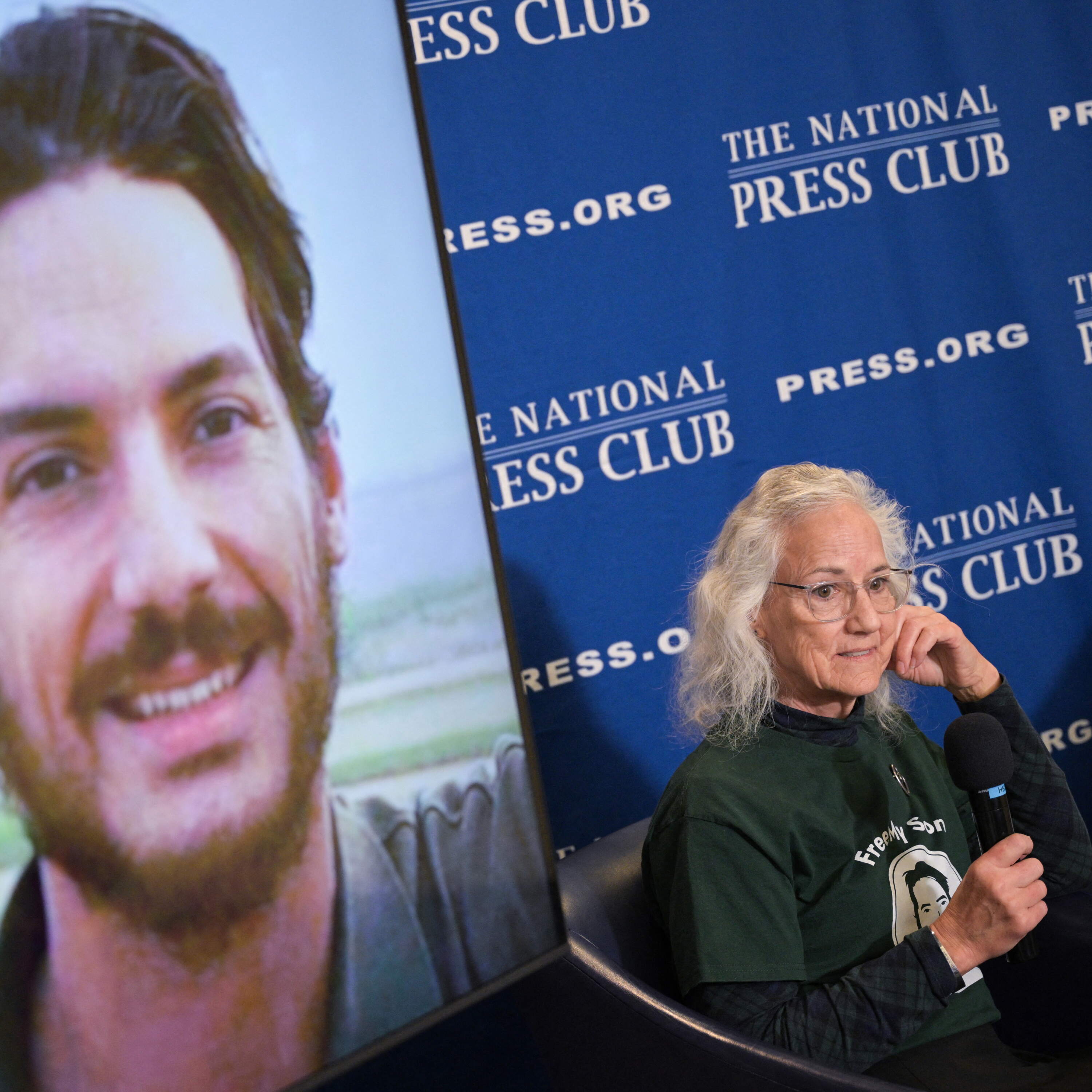
An American journalist missing in Syria: what happened?
This episode delves into the disappearance of American journalist Austin Tice in Syria, a case that has remained unsolved for over a decade. It features investigative journalists Josh Baker and Sarah Obeidat as they follow Tice's trail, uncovering a complex story of power struggles, secret documents, and the relentless efforts of his mother, Debra Tice, to bring him home.
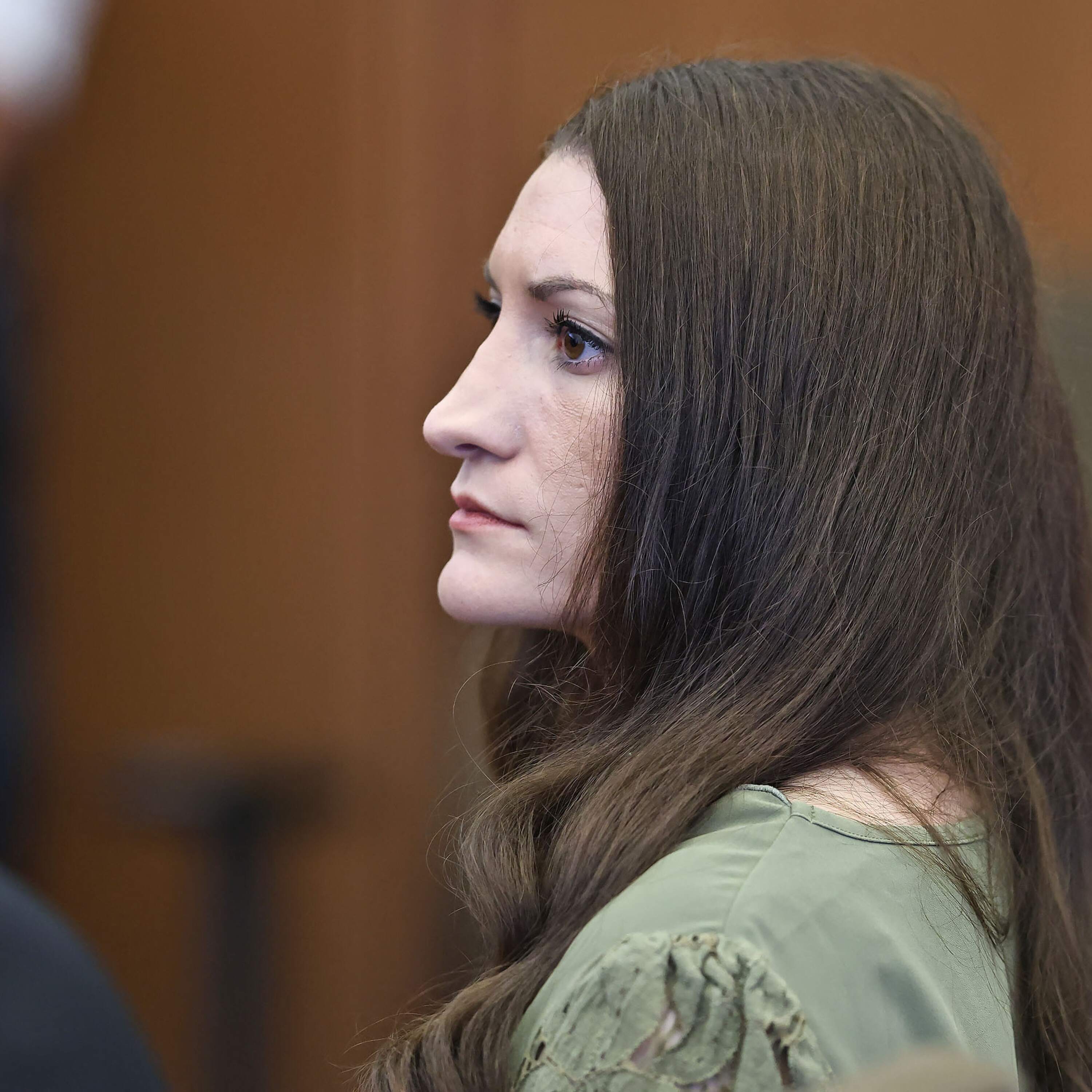
The Clancy trial and a split over postpartum psychosis
WBUR's Deborah Becker discusses the murder trial of Lindsay Clancy, a Massachusetts mother accused of killing her three small children, and the broader implications for how society treats the mental health of new mothers.

From SPF to skin color, sunscreen’s effectiveness is complicated
Justine Paradis of New Hampshire Public Radio reports on the complex world of sunscreen, from its surprising history and chemical makeup to its effectiveness and the complicated public health advice surrounding its use for different skin types.
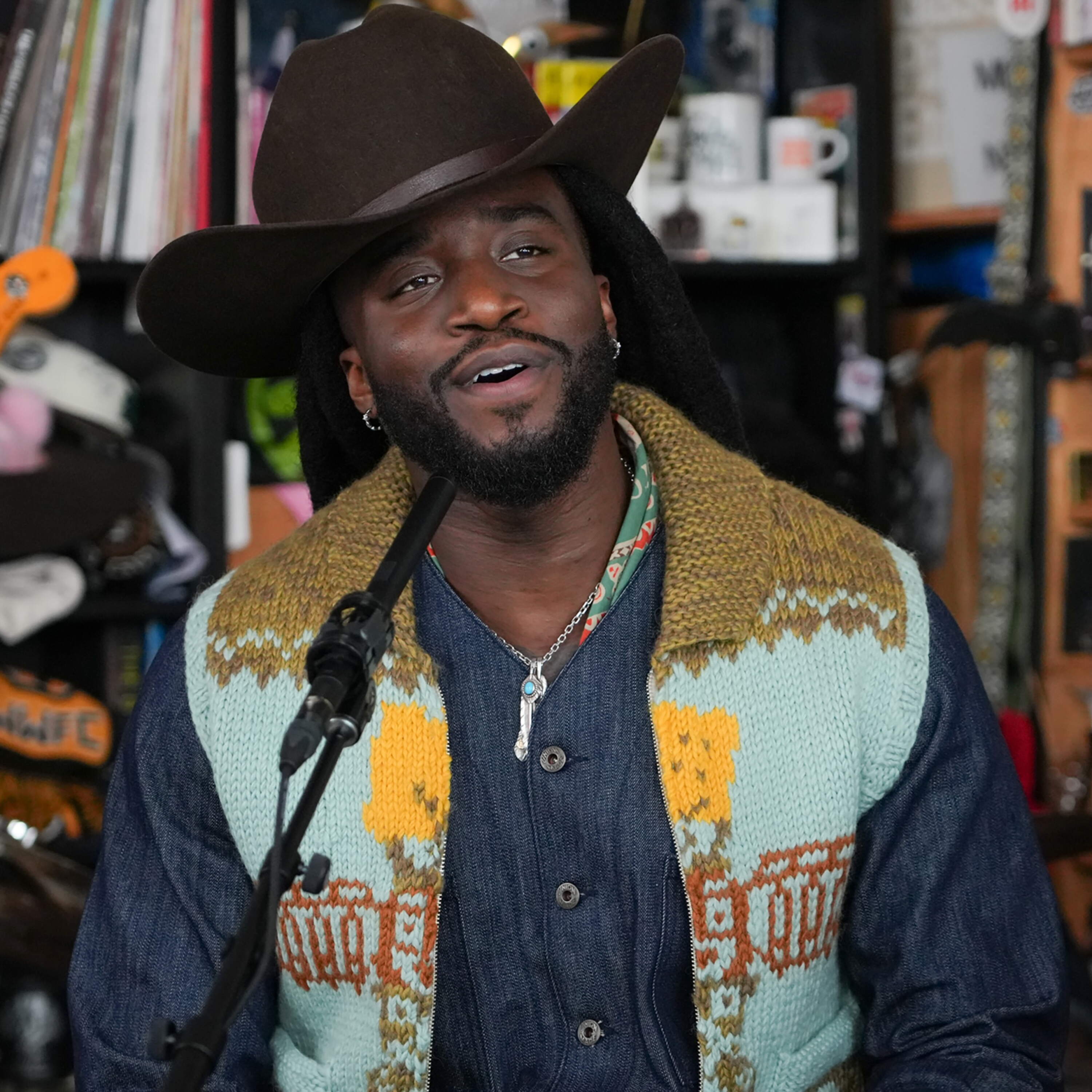
A Wild West revenge tale and the Black roots of cowboy culture
Shaboozey, the Grammy-winning singer-songwriter, discusses his new album, "The Outlaw, Sherry Lee, and Other Western Tales," a high-concept project that fuses hip-hop with country, spoken word, and ballads, all while exploring the Black roots of cowboy culture.