Up First from NPR · Podcast summary
From SPF to skin color, sunscreen’s effectiveness is complicated
Justine Paradis of New Hampshire Public Radio reports on the complex world of sunscreen, from its surprising history and chemical makeup to its effectiveness and the complicated public health advice surrounding its use for different skin types.

 Listen on the show ↗
Key takeaways
- 🧪Sunscreen is a surprisingly advanced and technical product, designed to meet complex chemical requirements like being non-toxic, non-oily, water-resistant, protective, and invisible.02:41
- 🧴The first commercial sunscreen, Coppertone, evolved from a World War II product called 'Red Veterinary Petroleum' and was initially marketed as a suntan cream, highlighting a shift in focus from tanning to protection.04:44
- 🔬Bemotrizinol, a new sunscreen ingredient approved in the US, offers broader UV protection, lasts longer, and doesn't absorb into the skin as easily as other molecules, having been available internationally for decades.06:06
- ☀️SPF (Sun Protection Factor) indicates how many times longer it takes for skin to burn compared to wearing no sunscreen, not the amount of UV rays blocked, and testing can be inconsistent.13:07
- 📉A study found that 16 out of 20 widely available sunscreens advertised as SPF 50 or above fell short of their claims, with one testing as low as SPF 4.13:51
- ⏰The difference in UV protection between SPF 30 (97% blocked) and SPF 50 (98% blocked) is minimal, and reapplication every couple of hours is more crucial than a higher SPF number.16:07
Chapters
- 0:18Introduction to Sunscreen's Complexity
- 0:44The History of Sunscreen: From War to Coppertone
- 4:16The Science of SPF and Inconsistent Testing
- 10:01Bemotrizinol: A New Sunscreen Ingredient in the US
- 26:37The Limitations of SPF and the Importance of Reapplication
- 28:30Sunscreen's Effectiveness Against Skin Cancer: The Nambour Trial
- 33:13Sunscreen and Skin of Color: A Nuanced Perspective
- 38:14Evolving Public Health Advice on Sunscreen Use
- 43:35Conclusion: Sunscreen as Part of a Broader Strategy
The digest
Sunscreen has long been touted as an essential tool for protecting our skin from the sun's harmful rays. However, as Justine Paradis, a producer with New Hampshire Public Radio's "Outside/In" show, reveals, the science and advice surrounding sunscreen are far more complex than many of us realize. In a conversation with Aisha Roscoe, Paradis delves into the history, chemistry, and efficacy of sunscreen, uncovering surprising truths and highlighting the evolving landscape of public health recommendations.
The Surprising Complexity of Sunscreen
For many, sunscreen is a simple, everyday product—something you slather on to avoid a sunburn. Aisha Roscoe admits that her own approach is to grab whatever is cheap and available, as long as it says "sunscreen" on the label. However, Paradis explains that sunscreen is actually a "really impressive product," an "advanced, very technical material." This revelation often comes as a surprise, as most people don't associate sunscreen with high-tech chemistry.
Paradis introduces Anna Wang, an associate professor of chemistry at the University of New South Wales in Sydney, Australia, who describes herself as a "soft matter scientist." Wang emphasizes that creating a sunscreen that is non-toxic, non-oily, water-resistant, protective, and invisible is a significant chemical challenge. It's like asking for a vegan, nut-free, dairy-free cake that still tastes great and works as intended. This complexity underscores the advanced nature of sunscreen formulations.
Keep reading in The Digest
The full 7-minute article, 7 more sections, and every new episode from Up First from NPR and the creators you follow.
- From Red Vet Pet to Coppertone: A Brief History
- The SPF Enigma and Inconsistent Testing
- The Truth About High SPF and Reapplication
- Bemotrizinol: A New Hope for the US Market
- Sunscreen and Skin Cancer: The Nambour Trial
- Sunscreen for People of Color: A Nuanced Discussion
- Evolving Public Health Advice
More from Up First from NPR

Can clergy candidates help Democrats win in red states?
NPR religion correspondent Jason DeRose explores how Democratic clergy candidates in red states use faith to connect with voters and counter Republican attacks.
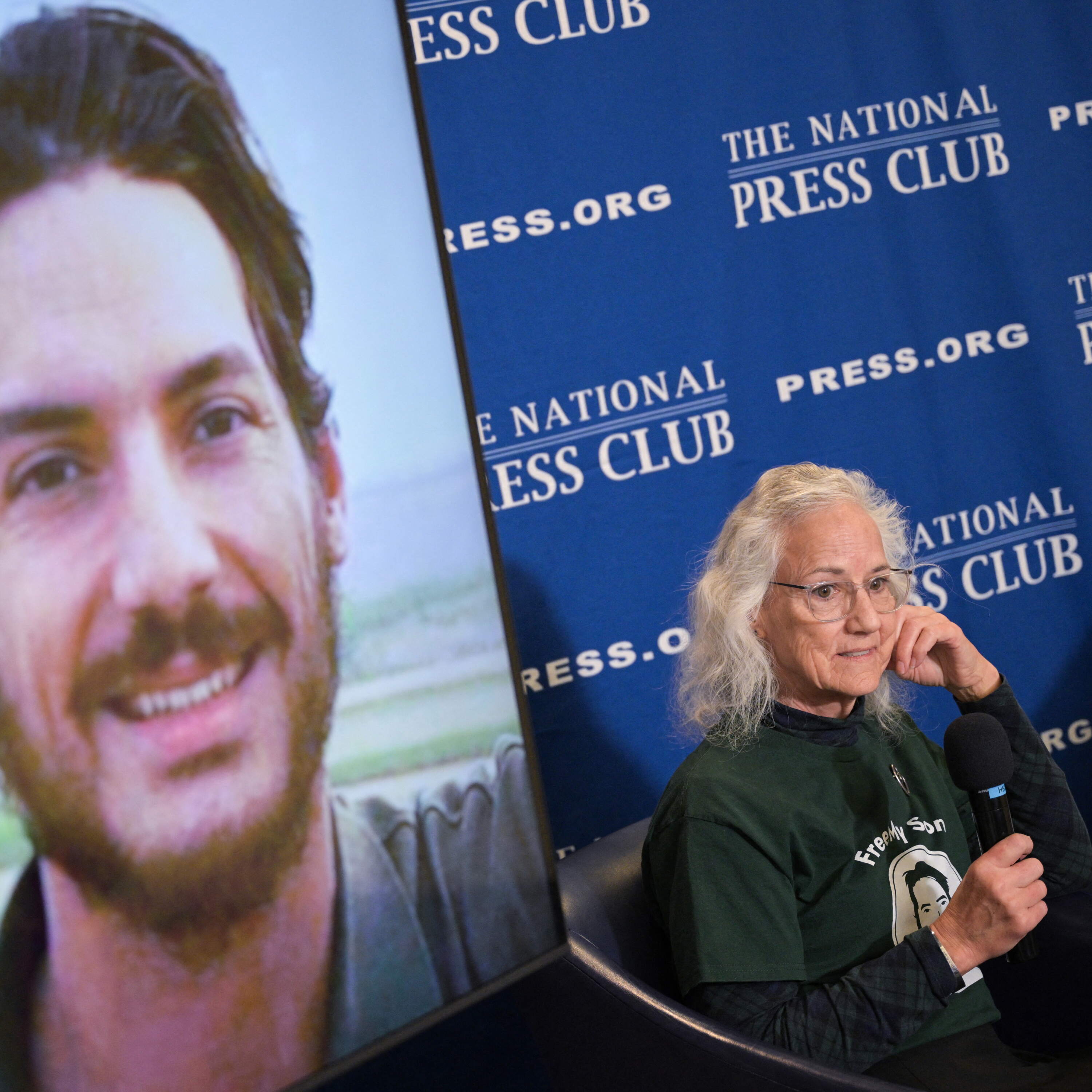
An American journalist missing in Syria: what happened?
This episode delves into the disappearance of American journalist Austin Tice in Syria, a case that has remained unsolved for over a decade. It features investigative journalists Josh Baker and Sarah Obeidat as they follow Tice's trail, uncovering a complex story of power struggles, secret documents, and the relentless efforts of his mother, Debra Tice, to bring him home.
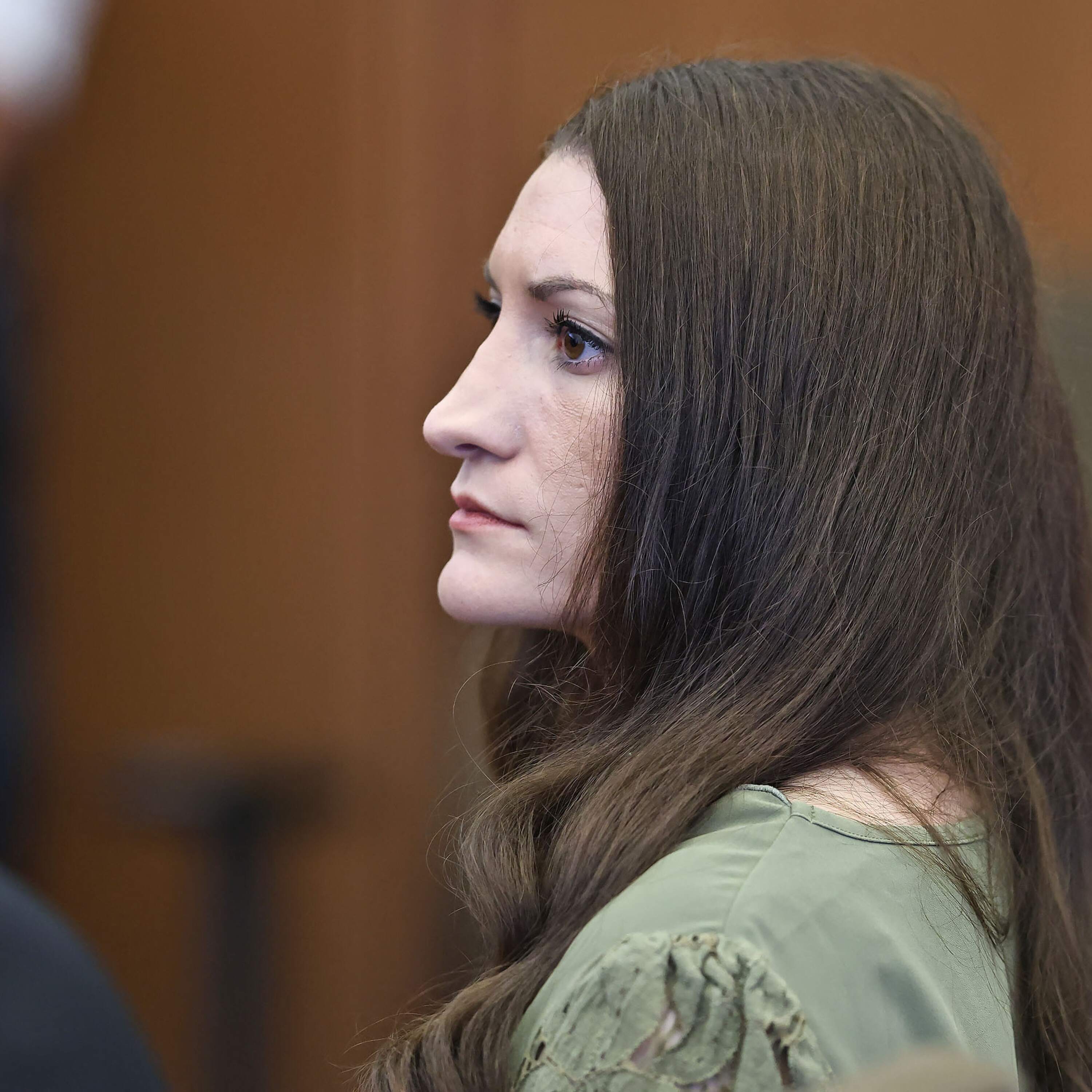
The Clancy trial and a split over postpartum psychosis
WBUR's Deborah Becker discusses the murder trial of Lindsay Clancy, a Massachusetts mother accused of killing her three small children, and the broader implications for how society treats the mental health of new mothers.
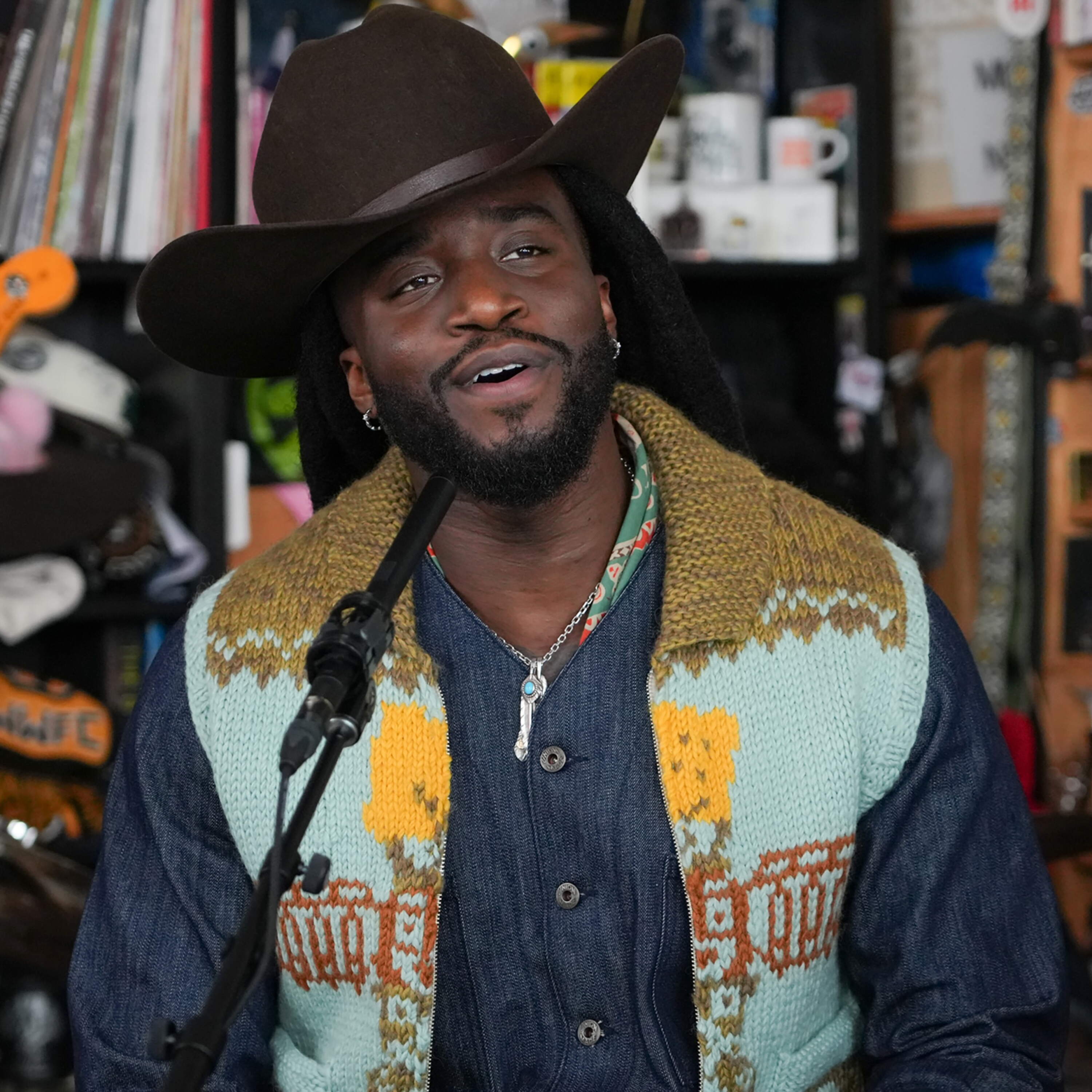
A Wild West revenge tale and the Black roots of cowboy culture
Shaboozey, the Grammy-winning singer-songwriter, discusses his new album, "The Outlaw, Sherry Lee, and Other Western Tales," a high-concept project that fuses hip-hop with country, spoken word, and ballads, all while exploring the Black roots of cowboy culture.

A visit to the remote Pacific island ecosystem losing protections
NPR's Lauren Summer reports on her visit to Palmyra Atoll, a remote Pacific island ecosystem that is losing federal protections.