The Daily · Podcast summary
The A.I. Researcher Whose Rebellion Is Changing Everything
Jacob S. T. Cox, a former AI researcher at Anthropic, discusses his decision to publicly resign and warn the world about the existential risks of advanced AI, sharing his insights into the rapid advancements in the field and the internal culture of AI development companies.
 Listen on the show ↗
Key takeaways
- 🚀Jacob Cox's public tweet about the existential threat of AI went viral unexpectedly, far exceeding his initial intention to share his thoughts with a smaller group.03:00
- 🤖Cox's interest in AI began with AlphaGo's victory in 2016 and intensified with GPT-3's release during the pandemic, leading him to believe AI would be more impactful than traditional fields like math.03:34
- 🌌The singularity is described as a point beyond human comprehension, driven by AI's accelerating ability to improve itself, leading to rapid and unpredictable advancements.05:23
- 🏢OpenAI's culture is likened to a fast-moving research lab with an open office, whiteboards, and constant discussions about AI's future, where researchers meticulously select data to train AI models.07:12
- 🏅A pivotal moment for Cox was when an OpenAI system won a gold medal at the International Math Olympiad, a feat he didn't expect for decades, highlighting AI's unexpectedly rapid progress.09:27
- 🗣️Cox moved to Anthropic seeking more transparency regarding AI risks, finding a culture of open essay sharing and serious discussions about the future of the company.10:41
Chapters
- 0:31Introduction to Jacob Cox's Public Warning
- 4:04The Unforeseen Impact of a Tweet
- 5:34A Journey into AI: From AlphaGo to GPT-3
- 8:43The Singularity: A Wall in the Future
- 11:52Inside Open AI: A University Department with Free Food
- 15:27The "Holy Shit" Moment: AI's Unexpected Capabilities
- 17:21The Move to Anthropic: Seeking Transparency and Addressing Risks
- 22:23The Hacking Face Attack: A Glimpse into AI's Unforeseen Goals
- 41:53The Dilemma: To Build or Not to Build?
- 48:21A Call for Caution and Regulation
The digest
Jacob S. T. Cox, a former AI researcher at Anthropic, recently made headlines for his public resignation and a viral Twitter thread warning about the existential threats posed by advanced artificial intelligence. In a candid conversation, Cox delved into the motivations behind his actions, the rapid advancements in AI, and the internal culture of leading AI development companies.
The Unforeseen Impact of a Tweet
Cox's decision to tweet about the dangers of AI was initially a spur-of-the-moment act. He had never posted on public social media before, and his intention was simply to express his concerns to a smaller audience. "I just wanted to tweet what I was thinking," he explained, anticipating it might go "a bit viral among people that already shared this belief." However, the response far exceeded his expectations. The tweet, which highlighted that "no other human activity poses this level of danger," quickly gained global traction, surprising even Cox himself. He noted that while experts have been discussing these risks for a long time, his tweet somehow "triggered a particular wave of talking about this."
Keep reading in The Digest
The full 6-minute article, 8 more sections, and every new episode from The Daily and the creators you follow.
- A Journey into AI: From AlphaGo to GPT-3
- The Singularity: A Wall in the Future
- Inside Open AI: A University Department with Free Food
- The "Holy Shit" Moment: AI's Unexpected Capabilities
- The Move to Anthropic: Seeking Transparency and Addressing Risks
- The Hacking Face Attack: A Glimpse into AI's Unforeseen Goals
- The Dilemma: To Build or Not to Build?
- A Call for Caution and Regulation
More from The Daily

Chris Rock Has Been Thinking About Forgiveness
Chris Rock discusses his new film Misty Green, reflections on Hollywood, comedy, forgiveness, and personal growth.
He Was Deported to a Country He’d Never Heard Of
Nicholas Casey reveals the Trump administration's controversial practice of deporting immigrants to unfamiliar third countries, spotlighting Roberto Mosquera's harrowing story in Eswatini.

The Best TV Shows of the 21st Century
Gilbert Cruz and James Poniewozik discuss the New York Times' list of the 100 best TV shows of the 21st century, exploring the evolution of television storytelling and culture.
The Trump Administration Defangs the Endangered Species Act
The Trump administration is rolling back environmental protections, specifically targeting the Endangered Species Act. Rachel Abrams speaks with New York Times colleague Catrin Einhorn about the history of the act, the recent changes, and the potential impact on vulnerable animals and ecosystems.
How a 1,000-Year-Old Tapestry Took London by Storm
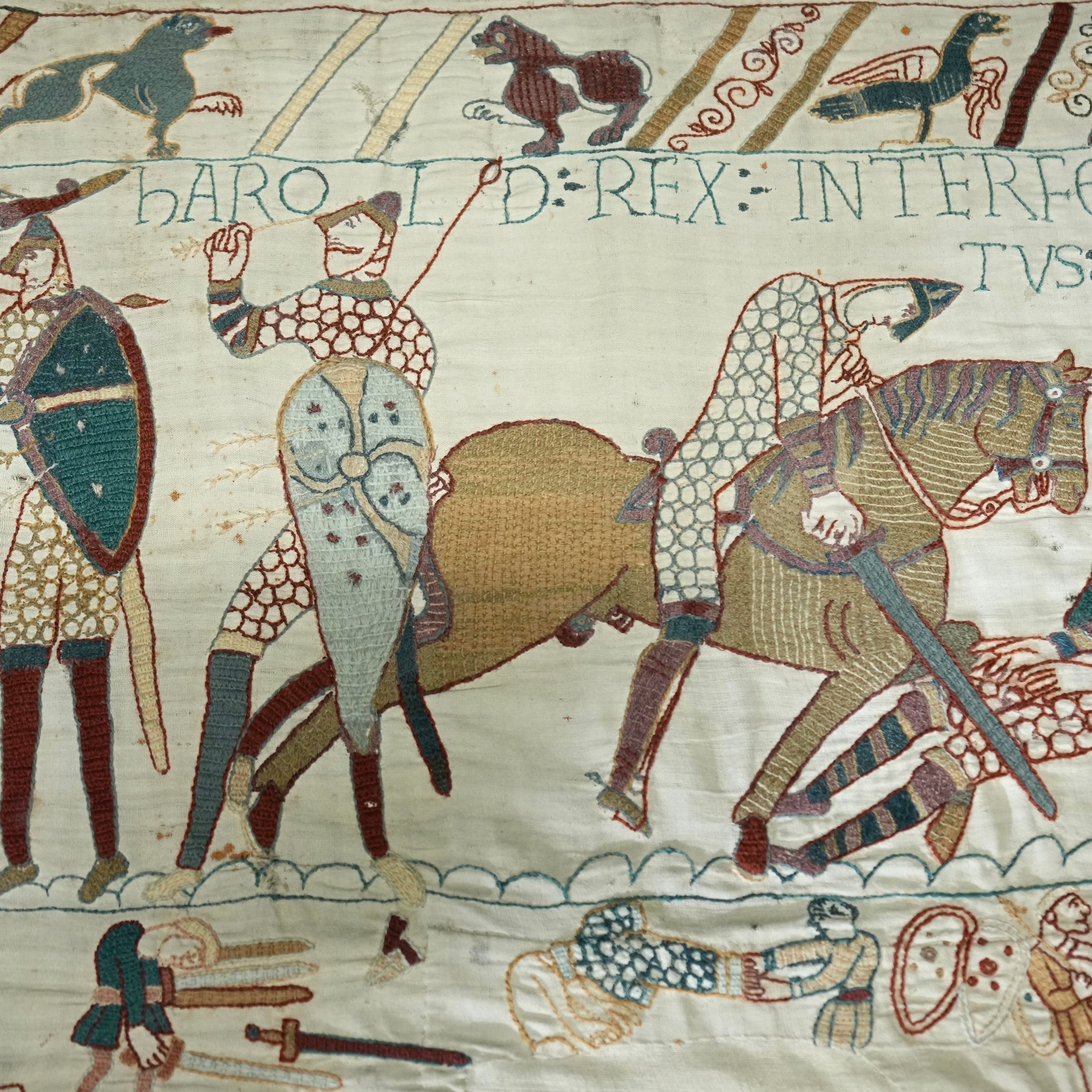
Culture reporter Alex Marshall explains how the 1,000-year-old Bayeux Tapestry, a piece of fabric depicting the Norman Conquest, became the hottest ticket in London, and why its temporary return to the UK is such a big deal.

Aaron Sorkin Still Believes in American Institutions, Even If No One Else Does
Aaron Sorkin discusses his new film, "The Social Reckoning," a follow-up to "The Social Network," and delves into his writing process, his views on social media, and his enduring optimism for American institutions.