The Daily · Podcast summary
Natalie Harp’s Devotion to Trump
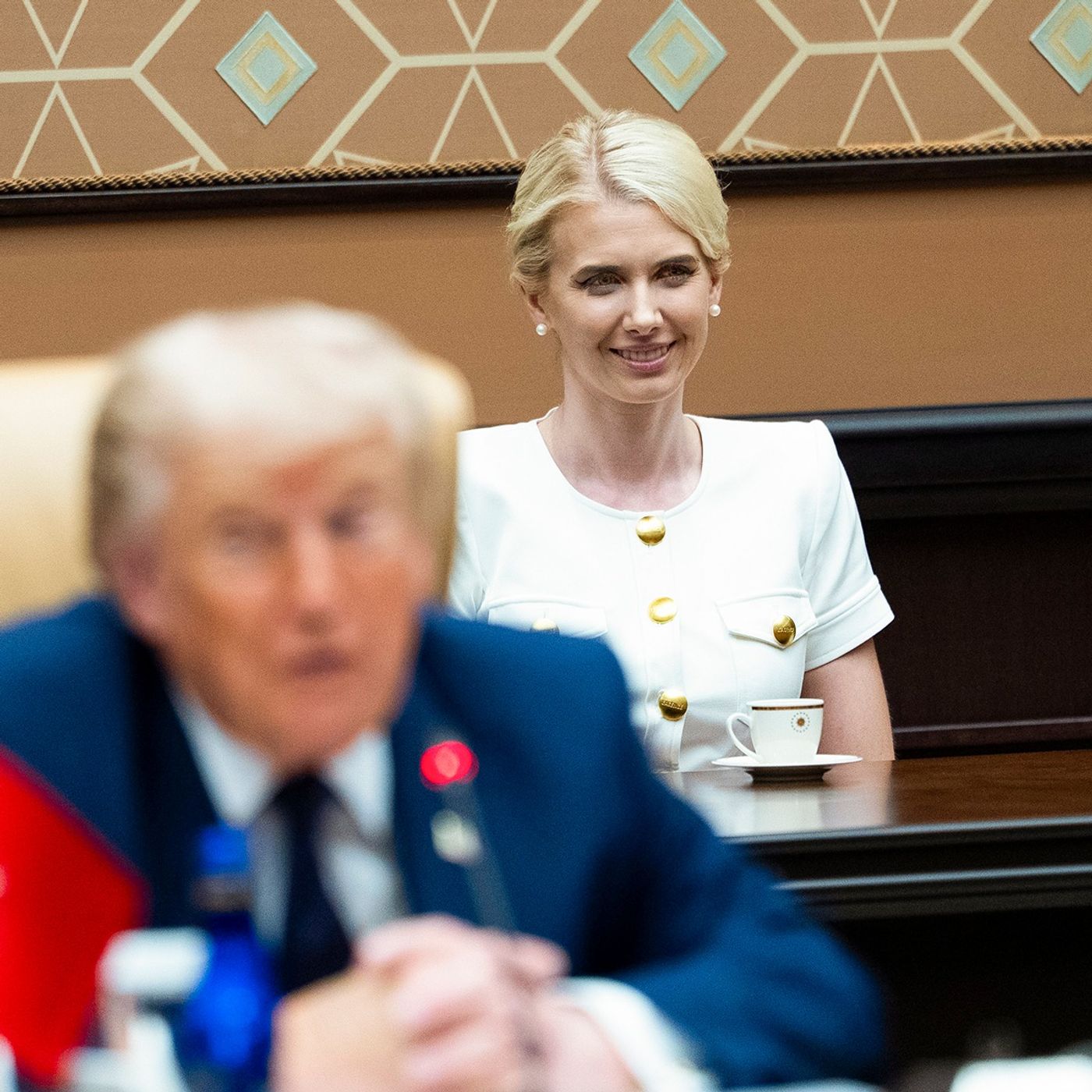
New York Times reporter Maggie Haberman explains how Natalie Harp, a relatively unknown figure, became one of former President Donald Trump's closest and most devoted aides, illustrating the unique dynamics of Trump's inner circle.
 Listen on the show ↗
Key takeaways
- 🖨️Natalie Harp became known as "the human printer" for constantly providing positive news to Donald Trump.01:43
- 🎗️Harp, a bone cancer survivor, publicly credited Trump's "right to try" law for saving her life, which deeply resonated with Trump's value of loyalty.05:07
- 🤝After Trump lost the 2020 election, Harp solidified her position by being one of the few people willing to stay close to him.06:25
- 🏃♀️Harp's extreme devotion included literally running after Trump's golf cart and sleeping in a locker room at his Bedminster course.07:05
- 🚨The Secret Service was concerned about Harp's unusual proximity and the lack of proper chain of command, not that she was dangerous.07:42
- 📰Harp provides Trump with articles from fringe websites that affirm his desired narratives, influencing his social media posts.15:40
Chapters
- 0:27Introduction to Natalie Harp
- 1:49Harp's Background and Rise to Prominence
- 10:05Harp's Unwavering Devotion Post-Presidency
- 23:38Harp's Role in Trump's Inner Circle and Information Flow
- 32:33The Implications of Harp's Influence
The digest
In a recent episode of The Daily, New York Times reporter Maggie Haberman delved into the remarkable rise of Natalie Harp, a figure who has become an ever-present and increasingly influential aide to former President Donald Trump. Haberman, co-author of the book "Regime Change," explained how Harp's unwavering loyalty and unique role have set her apart from other staff members, raising questions about the nature of Trump's inner circle and the information he receives.
The Human Printer: Harp's Early Role and Public Emergence
Natalie Harp first entered Trump's orbit several years ago, earning the nickname "the human printer" from her colleagues. Haberman recounted that Harp would carry a portable printer, constantly providing Trump with positive news and information she wanted him to be aware of. Her public profile significantly increased in 2020 when she delivered a testimonial at the Republican National Convention. Harp, a bone cancer survivor, credited President Trump and his "right to try" law with giving her access to medicine that saved her life. This powerful endorsement, as Haberman noted, resonated deeply with Trump, who values loyalty above all else. "She is literally saying she owes her life to him," Haberman emphasized, highlighting the profound impact of this public declaration.
Keep reading in The Digest
The full 4-minute article, 4 more sections, and every new episode from The Daily and the creators you follow.
- From Periphery to Inner Circle: The Post-Presidency Shift
- A Unique Conduit: Controlling the Flow of Information
- Beyond a Job Title: Harp's Amorphous Role in the Second Administration
- The Living, Breathing Exclamation Point of Trump's Second Term
More from The Daily

Chris Rock Has Been Thinking About Forgiveness
Chris Rock discusses his new film Misty Green, reflections on Hollywood, comedy, forgiveness, and personal growth.
He Was Deported to a Country He’d Never Heard Of
Nicholas Casey reveals the Trump administration's controversial practice of deporting immigrants to unfamiliar third countries, spotlighting Roberto Mosquera's harrowing story in Eswatini.

The Best TV Shows of the 21st Century
Gilbert Cruz and James Poniewozik discuss the New York Times' list of the 100 best TV shows of the 21st century, exploring the evolution of television storytelling and culture.

The Trump Administration Defangs the Endangered Species Act
The Trump administration is rolling back environmental protections, specifically targeting the Endangered Species Act. Rachel Abrams speaks with New York Times colleague Catrin Einhorn about the history of the act, the recent changes, and the potential impact on vulnerable animals and ecosystems.
How a 1,000-Year-Old Tapestry Took London by Storm
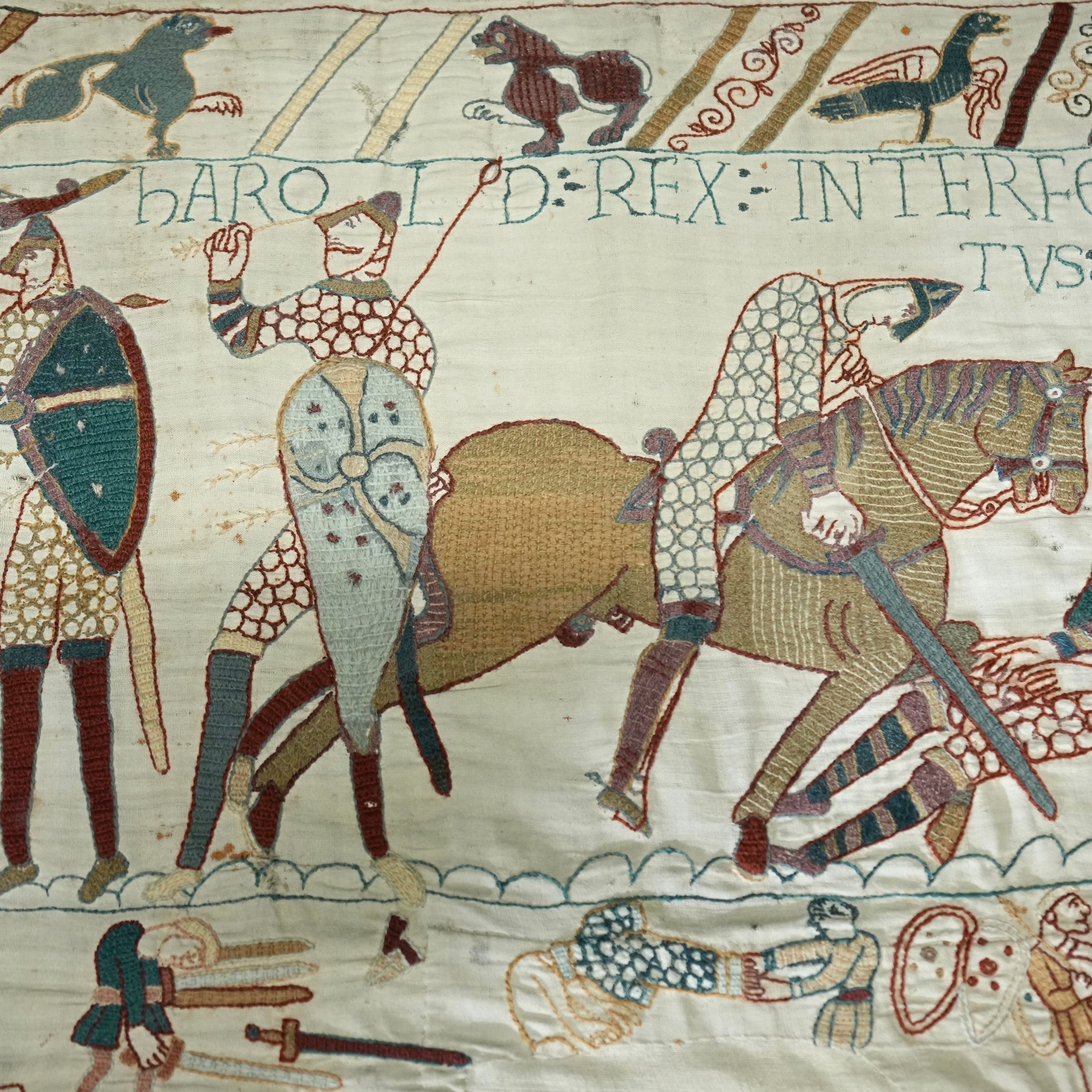
Culture reporter Alex Marshall explains how the 1,000-year-old Bayeux Tapestry, a piece of fabric depicting the Norman Conquest, became the hottest ticket in London, and why its temporary return to the UK is such a big deal.

Aaron Sorkin Still Believes in American Institutions, Even If No One Else Does
Aaron Sorkin discusses his new film, "The Social Reckoning," a follow-up to "The Social Network," and delves into his writing process, his views on social media, and his enduring optimism for American institutions.