The Daily · Podcast summary
How Flock Cameras Took Over America
Kashmir Hill, a reporter for The New York Times, explains how Flock Safety's network of automated license plate readers has rapidly expanded across the United States, raising significant privacy concerns and sparking a growing backlash from citizens and some local governments.
 Listen on the show ↗
Key takeaways
- 🚗Flock Safety's cameras capture photos of cars, read license plates, and record details like color, make, damage, or bumper stickers, raising privacy concerns as they track vehicles in public and rural areas.02:23
- 💡Flock Safety was founded by Garrett Langley after his Atlanta neighborhood experienced frequent car break-ins, leading him to develop cameras to provide police with license plate evidence.04:40
- 🏘️Initially, Flock cameras were sold to homeowners' associations for neighborhood watch, but their effectiveness in solving crimes quickly led to partnerships with police departments.06:40
- 📈Flock Safety's business model shifted in 2020 to public roads, leading to rapid expansion and a valuation of over $8 billion, with 120,000 cameras across the U.S. and contracts with 7,000 law enforcement agencies.07:29
- 🚨Police use Flock cameras to track cars, find missing persons, and investigate crimes by searching a database of vehicle photos and setting up alerts for specific license plates.08:38
- 🌐The national network allows police departments to share camera data across states, but this has led to misuse, including ICE tracking individuals and officers abusing access to surveil personal contacts.11:23
Chapters
- 0:16📍 Introduction to Flock Cameras
- 0:23🚗 What Makes Flock Cameras Different?
- 0:40💡 The Origin Story of Flock Safety
- 12:08📈 Flock's Business Model Evolution
- 13:58🚨 How Flock Cameras Aid Law Enforcement
- 17:29🌐 The Networked Privacy and Misuse of Data
- 26:51⚖️ Public Backlash and Legal Challenges
- 45:10👁️ The Broader Implications of Surveillance
The digest
Rachel Abrams, a reporter for The New York Times, speaks with her colleague Kashmir Hill about Flock Safety, a company whose automated license plate readers (ALPRs) have become ubiquitous across the United States. These cameras, initially marketed for neighborhood watch programs, have rapidly expanded into public spaces, raising significant concerns about privacy and surveillance.
The Rise of Flock Safety
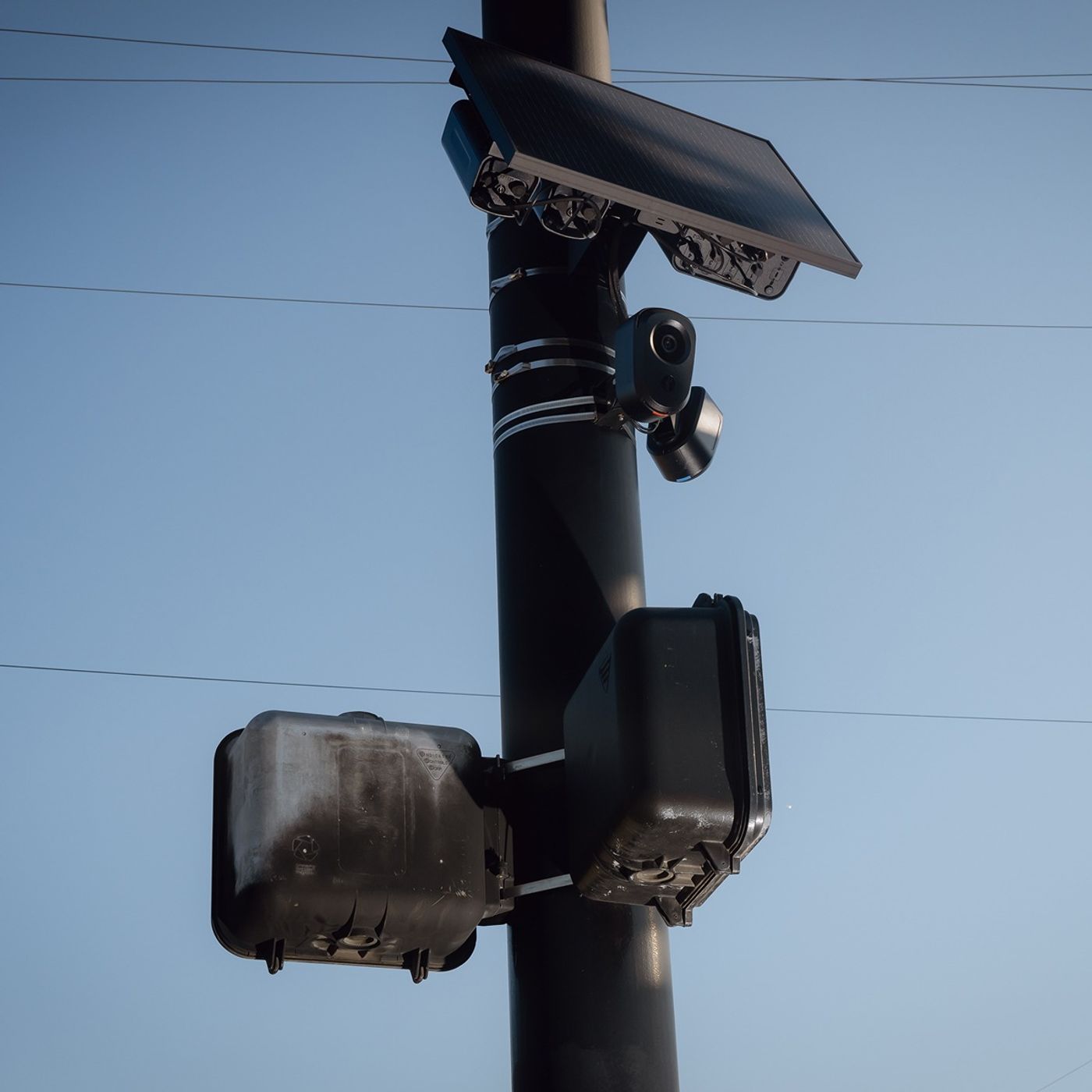
Flock Safety's cameras are designed to photograph cars as they pass, read their license plates, and capture other details like the car's color, make, visible damage, or even bumper stickers. These cameras are often found on poles by the road, sometimes with a solar panel, and are increasingly present in rural areas and communities not typically accustomed to surveillance. Kashmir Hill notes that Americans have a strong "privacy attachment" to their cars, viewing them as symbols of freedom. The widespread deployment of Flock cameras, which track vehicles, challenges this perception, leading to considerable public upset.
Flock Safety was founded by Garrett Langley, a serial entrepreneur who started the company nine years ago. Langley's inspiration came from his own neighborhood in Atlanta, Georgia, where car break-ins were a frequent occurrence. Frustrated by the police's inability to catch the perpetrators, who often stole guns from glove boxes, Langley realized that law enforcement needed better evidence, specifically license plate numbers. He and two classmates from Georgia Tech developed a cheap, solar-powered camera that could be mounted on street poles to capture license plate information.
Keep reading in The Digest
The full 5-minute article, 5 more sections, and every new episode from The Daily and the creators you follow.
- From Neighborhood Watch to National Surveillance
- How the System Works and Its Impact on Law Enforcement
- The Networked Privacy Dilemma and Misuse Concerns
- The Backlash: Legal Challenges and Public Outcry
- The Broader Implications of Surveillance Technology
More from The Daily

Chris Rock Has Been Thinking About Forgiveness
Chris Rock discusses his new film Misty Green, reflections on Hollywood, comedy, forgiveness, and personal growth.
He Was Deported to a Country He’d Never Heard Of
Nicholas Casey reveals the Trump administration's controversial practice of deporting immigrants to unfamiliar third countries, spotlighting Roberto Mosquera's harrowing story in Eswatini.

The Best TV Shows of the 21st Century
Gilbert Cruz and James Poniewozik discuss the New York Times' list of the 100 best TV shows of the 21st century, exploring the evolution of television storytelling and culture.

The Trump Administration Defangs the Endangered Species Act
The Trump administration is rolling back environmental protections, specifically targeting the Endangered Species Act. Rachel Abrams speaks with New York Times colleague Catrin Einhorn about the history of the act, the recent changes, and the potential impact on vulnerable animals and ecosystems.

How a 1,000-Year-Old Tapestry Took London by Storm
Culture reporter Alex Marshall explains how the 1,000-year-old Bayeux Tapestry, a piece of fabric depicting the Norman Conquest, became the hottest ticket in London, and why its temporary return to the UK is such a big deal.

Aaron Sorkin Still Believes in American Institutions, Even If No One Else Does
Aaron Sorkin discusses his new film, "The Social Reckoning," a follow-up to "The Social Network," and delves into his writing process, his views on social media, and his enduring optimism for American institutions.