The Daily · Podcast summary
How a Teenager Found Undiagnosed Brain Injuries in the Military
A teenager's quest to understand her father's struggles after his military service uncovers a hidden epidemic of brain injuries within the Coast Guard, challenging long-held assumptions about military trauma.
 Listen on the show ↗
Key takeaways
- 🌊The Coast Guard was not initially considered a high-risk environment for brain injuries, as public perception focuses on search and rescue rather than combat-related trauma.03:04
- 💔Brett Bonner, an elite Coast Guard surfman, found the emotional toll of recovering bodies from suicides particularly challenging, stating he joined to save lives, not to recover the deceased.06:51
- ⚡Brett experienced 'zaps' in his brain, described as 'short circuits,' a symptom that baffled his family and doctors before his TBI diagnosis.12:15
- 🧠Despite a previous PTSD diagnosis, a neurologist discovered evidence of repeated concussions in Brett's brain scans, which he had not recalled, highlighting the insidious nature of TBI.14:20
- 📊Kayley Bonner's high school research project revealed that an overwhelming majority of surfmen reported TBI symptoms, despite few ever being diagnosed or believing they had a head injury.29:15
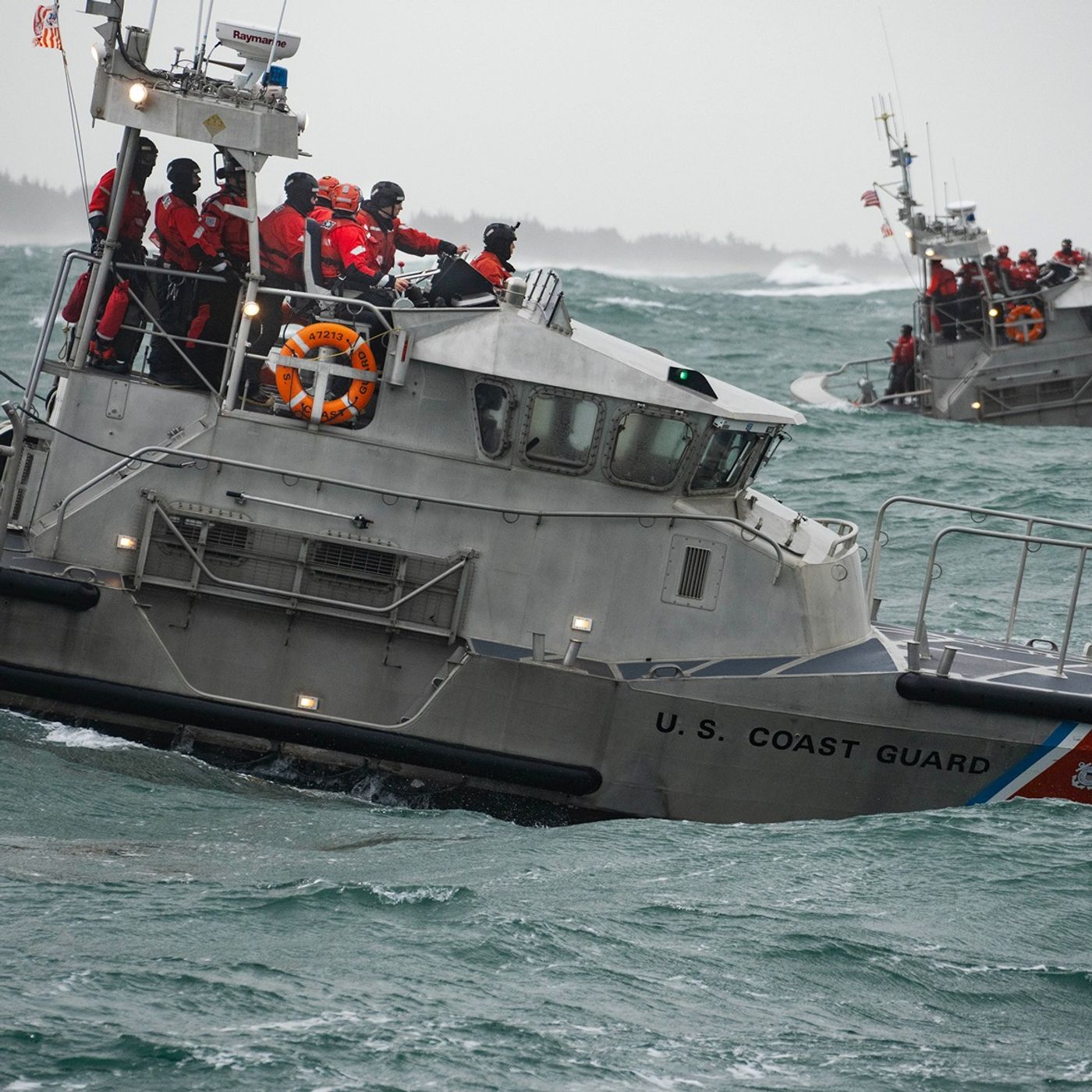
- 💥The physical forces on Coast Guard boats create a 'whip-crack' effect, where impacts equivalent to a car crash are transmitted to the brain, even if the initial wave impact seems less severe.32:13
Chapters
- 0:04Introduction to the Coast Guard's Hidden Trauma
- 2:23The Unexpected Path to Investigating Coast Guard Brain Injuries
- 6:47The Story of Brett Bonner: A Surfman's Life and Struggles
- 12:19The Onset of Symptoms and a Misdiagnosis of PTSD
- 22:12The True Diagnosis: Traumatic Brain Injury and Cognitive Decline
- 31:39Understanding the Mechanism of Injury: The 'Whip-Crack' Effect
- 40:41Kayley Bonner's Research: Uncovering an Epidemic
- 51:33A Call to Action and a Broader Perspective on Brain Trauma
The digest
Zolan Kanno-Youngs of The New York Times speaks with his colleague Dave Philipps about a significant blind spot in the Coast Guard: the prevalence of traumatic brain injuries (TBIs) among its service members, a discovery spearheaded by a teenager.
The Unexpected Journey to the Coast Guard
Philipps, who has been covering the military for over 20 years, initially focused on brain injuries sustained in Iraq and Afghanistan from large blasts and improvised explosive devices (IEDs). However, his reporting took an unexpected turn when he began to investigate TBIs in the Coast Guard, a branch of the military not typically associated with such injuries. "Most people, when they think about the Coast Guard, they think like EMS for the sea," Philipps explains, referring to search and rescue, port safety, and drug interdiction. He admits that the Coast Guard wasn't even on his radar for these types of injuries until he received a call from a reader whose husband, a Coast Guard boat driver, had recently died and exhibited symptoms strikingly similar to those Philipps had reported on in other military personnel.
Keep reading in The Digest
The full 4-minute article, 6 more sections, and every new episode from The Daily and the creators you follow.
- Jenna Bonner and the Story of Brett Bonner
- The Onset of Symptoms and a Misdiagnosis
- The Shocking Diagnosis: Traumatic Brain Injury
- The Unseen Impact of the Ocean: The Whip-Crack Effect
- Kayley's Quest and the Unveiling of a Hidden Epidemic
- A Call to Action and a Broader Understanding of Brain Trauma
More from The Daily

Chris Rock Has Been Thinking About Forgiveness
Chris Rock discusses his new film Misty Green, reflections on Hollywood, comedy, forgiveness, and personal growth.
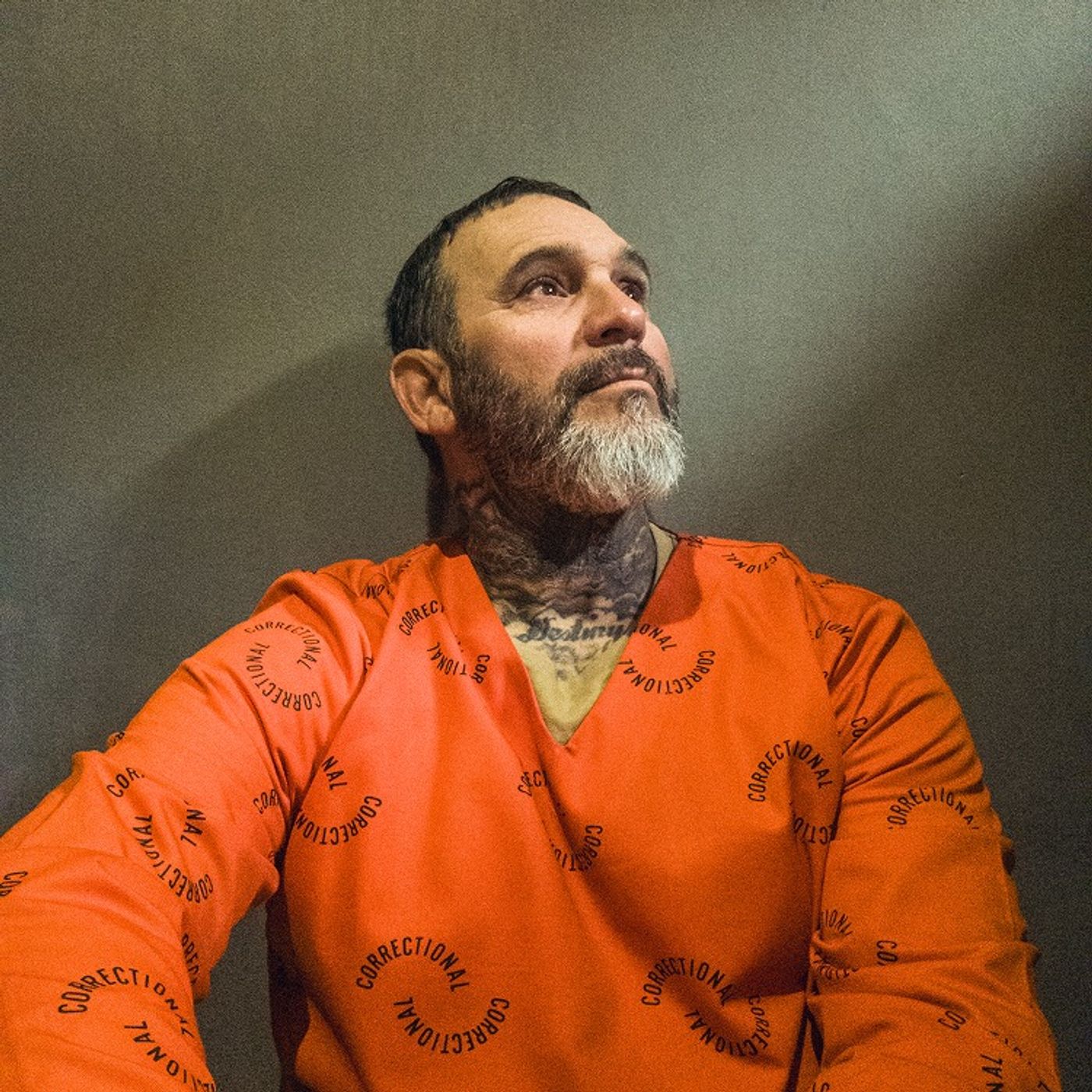
He Was Deported to a Country He’d Never Heard Of
Nicholas Casey reveals the Trump administration's controversial practice of deporting immigrants to unfamiliar third countries, spotlighting Roberto Mosquera's harrowing story in Eswatini.

The Best TV Shows of the 21st Century
Gilbert Cruz and James Poniewozik discuss the New York Times' list of the 100 best TV shows of the 21st century, exploring the evolution of television storytelling and culture.

The Trump Administration Defangs the Endangered Species Act
The Trump administration is rolling back environmental protections, specifically targeting the Endangered Species Act. Rachel Abrams speaks with New York Times colleague Catrin Einhorn about the history of the act, the recent changes, and the potential impact on vulnerable animals and ecosystems.
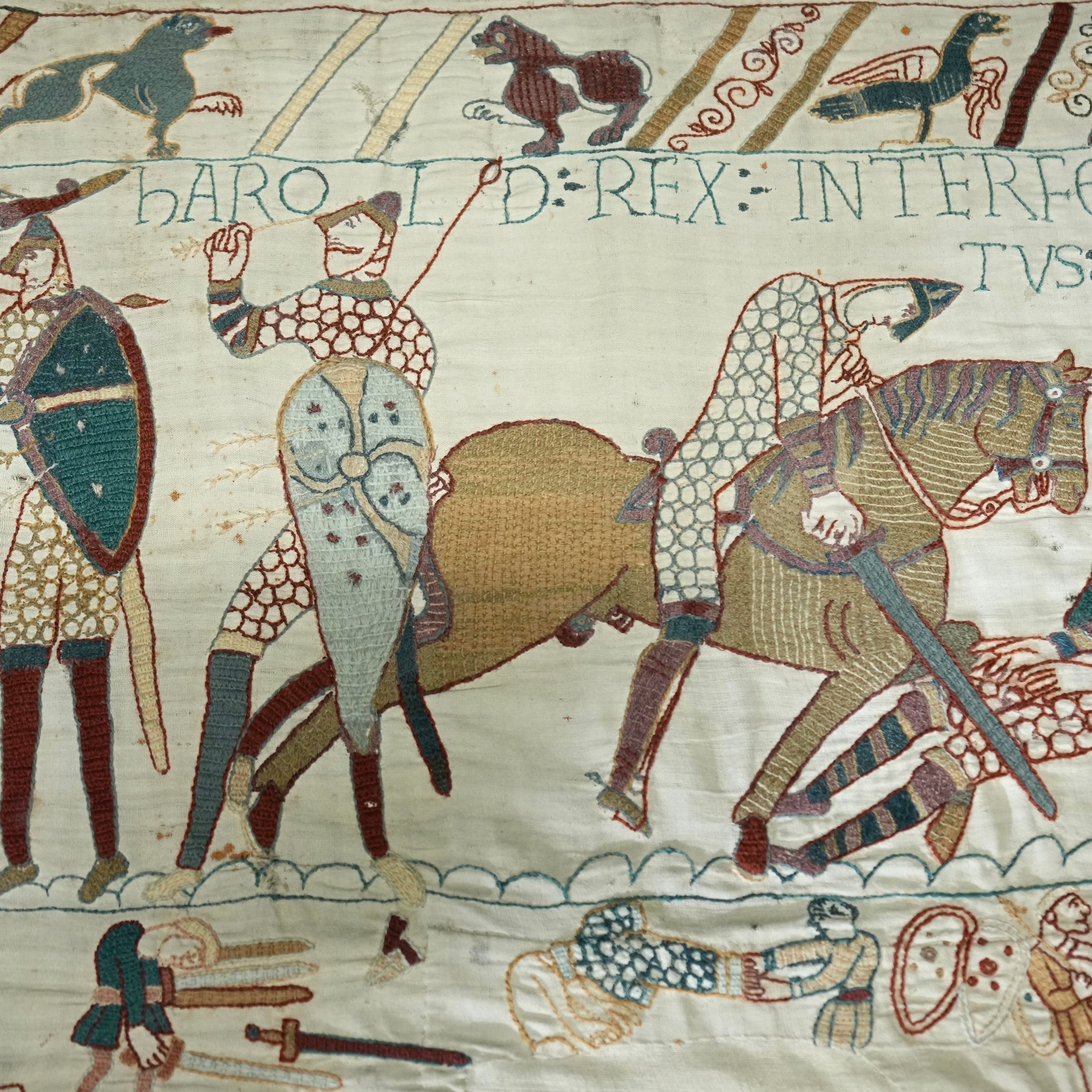
How a 1,000-Year-Old Tapestry Took London by Storm
Culture reporter Alex Marshall explains how the 1,000-year-old Bayeux Tapestry, a piece of fabric depicting the Norman Conquest, became the hottest ticket in London, and why its temporary return to the UK is such a big deal.

Aaron Sorkin Still Believes in American Institutions, Even If No One Else Does
Aaron Sorkin discusses his new film, "The Social Reckoning," a follow-up to "The Social Network," and delves into his writing process, his views on social media, and his enduring optimism for American institutions.