The Daily · Podcast summary
El Niño Is Back. And Worse Than Ever.
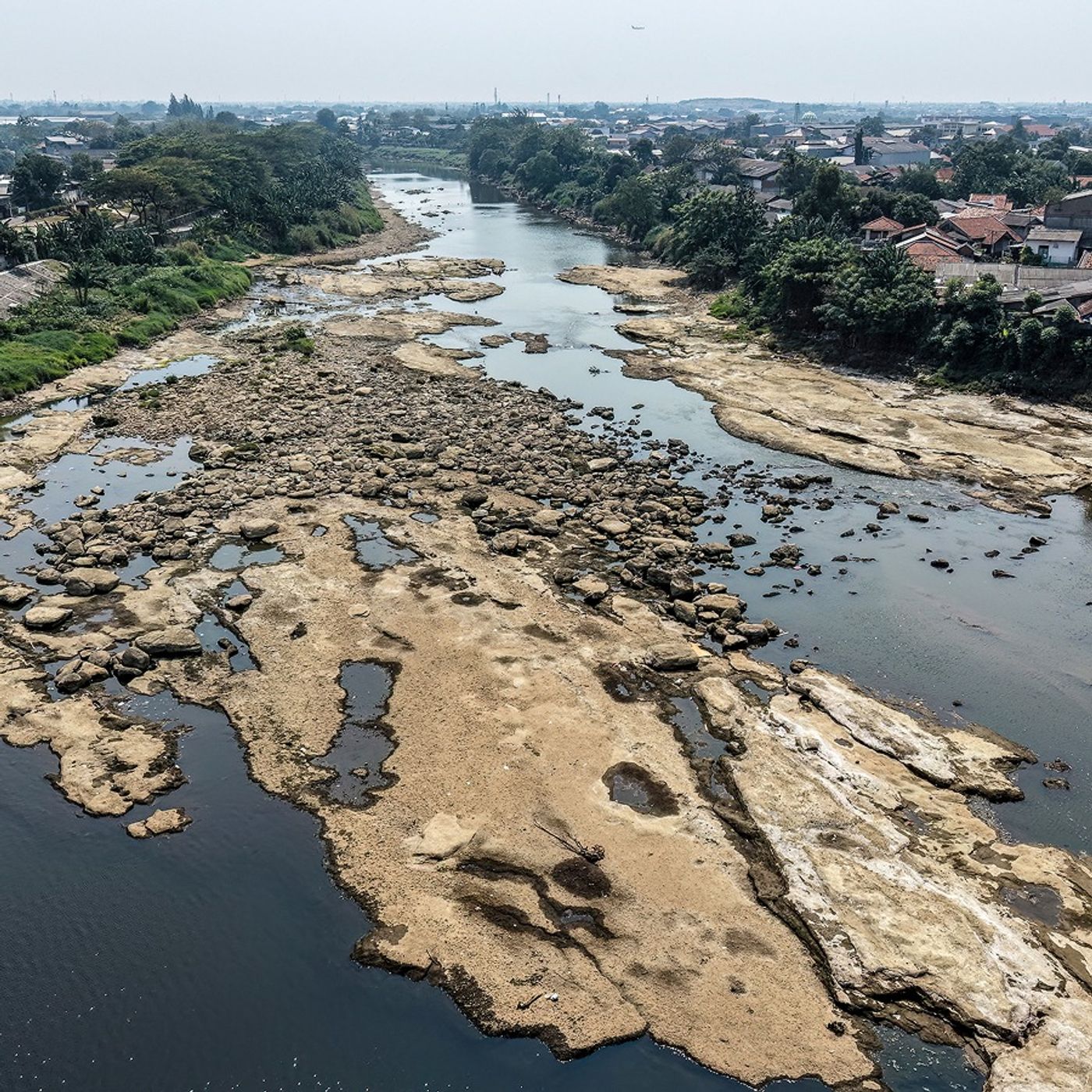
New York Times climate reporter Chigo Harlan explains the science behind El Niño, its historical impact on global weather, and why this year's event is particularly alarming.
 Listen on the show ↗
The digest
El Niño, the powerful planetary phenomenon that significantly impacts global weather patterns, is back, and this year's event is projected to be one of the strongest on record. New York Times climate reporter Chigo Harlan joins Michael Barbaro on The Daily to demystify El Niño, delve into its history, and discuss the potentially devastating consequences of this year's super El Niño.
What is El Niño?
Chigo Harlan describes El Niño as a "planetary phenomenon that is both totally natural and also a huge chaos agent." At its core, El Niño involves changes in the tropical Pacific Ocean. To understand these changes, Harlan asks us to imagine a rectangular area stretching across the equator in the Pacific Ocean, from the coast of Peru and Ecuador all the way towards the International Date Line, south of Hawaii and north of Fiji and Samoa.
Normally, the waters in this region follow a predictable pattern. They typically reach their warmest temperatures, around 28 degrees Celsius, in May and gradually cool to about 27 degrees Celsius by this time of year. These waters don't change much in temperature, and the winds above them consistently blow warm water away from South America towards Asia. This process allows cold water to rise and replace the displaced warm water, creating a "nice cold ecosystem" that supports marine life.
However, in an El Niño year, this pattern changes dramatically. The winds that normally push the warm water away either slow down or reverse. This disruption prevents the warm water from being displaced, causing it to build up and generate on what Harlan calls "the wrong side of the Pacific." This accumulated hot water then travels towards the South American side. The significance of this is immense, as the Pacific is a vast body of water. Even a couple of degrees of warming in such a large volume of water represents an enormous amount of extra energy added to the system.
Keep reading in The Digest
The full 6-minute article, 5 more sections, and every new episode from The Daily and the creators you follow.
- The Destructive Power of El Niño
- A History of Havoc
- This Year's Super El Niño
- The Interplay with Climate Change
- A Glimpse into the Future
More from The Daily

Chris Rock Has Been Thinking About Forgiveness
Chris Rock discusses his new film Misty Green, reflections on Hollywood, comedy, forgiveness, and personal growth.

He Was Deported to a Country He’d Never Heard Of
Nicholas Casey reveals the Trump administration's controversial practice of deporting immigrants to unfamiliar third countries, spotlighting Roberto Mosquera's harrowing story in Eswatini.

The Best TV Shows of the 21st Century
Gilbert Cruz and James Poniewozik discuss the New York Times' list of the 100 best TV shows of the 21st century, exploring the evolution of television storytelling and culture.

The Trump Administration Defangs the Endangered Species Act
The Trump administration is rolling back environmental protections, specifically targeting the Endangered Species Act. Rachel Abrams speaks with New York Times colleague Catrin Einhorn about the history of the act, the recent changes, and the potential impact on vulnerable animals and ecosystems.
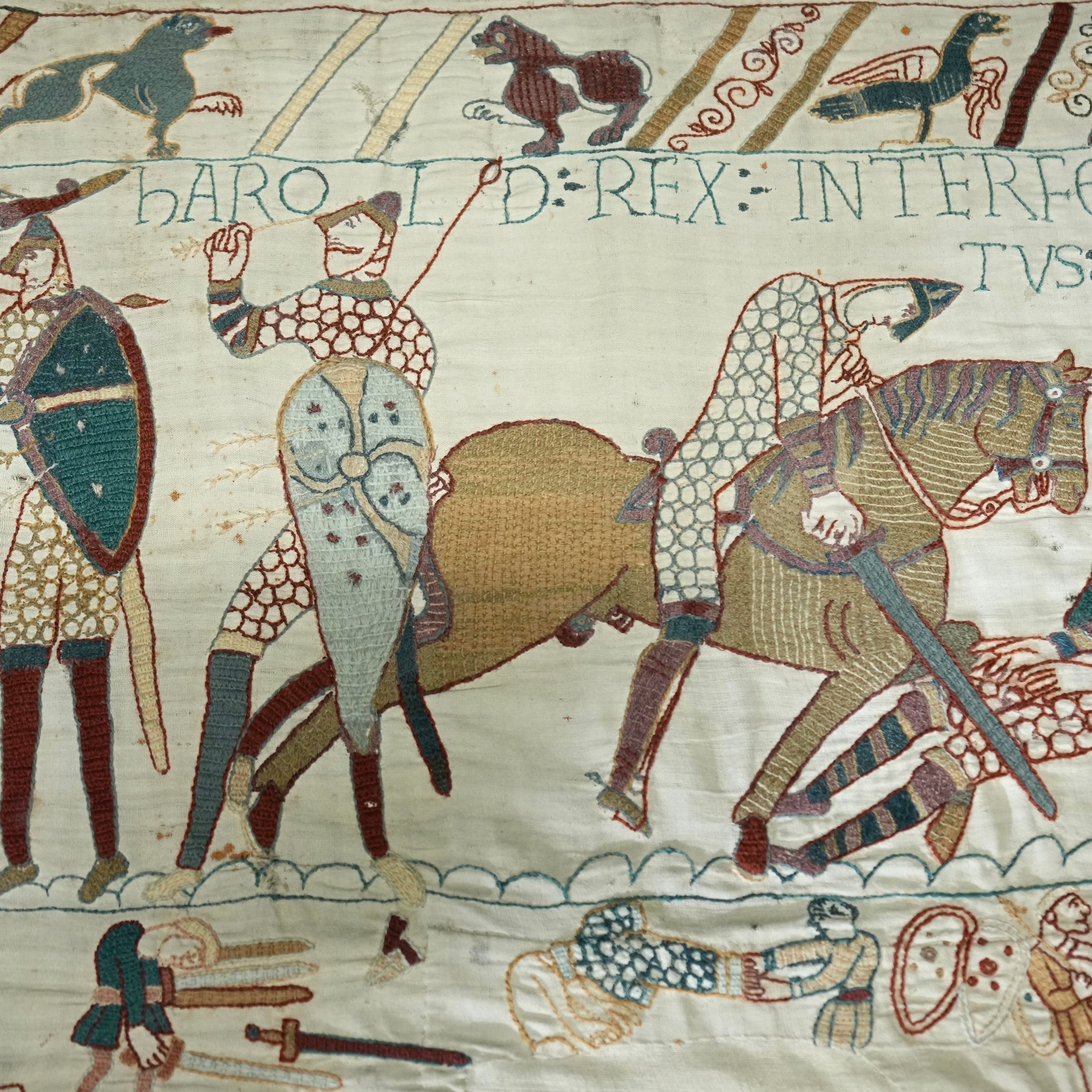
How a 1,000-Year-Old Tapestry Took London by Storm
Culture reporter Alex Marshall explains how the 1,000-year-old Bayeux Tapestry, a piece of fabric depicting the Norman Conquest, became the hottest ticket in London, and why its temporary return to the UK is such a big deal.

Aaron Sorkin Still Believes in American Institutions, Even If No One Else Does
Aaron Sorkin discusses his new film, "The Social Reckoning," a follow-up to "The Social Network," and delves into his writing process, his views on social media, and his enduring optimism for American institutions.