The Daily · Podcast summary
Classical Music Is in Crisis. Gustavo Dudamel Is Here to Save It.
Gustavo Dudamel is the most famous conductor alive today, and he's taking on the challenge of revitalizing classical music in America, starting with the New York Philharmonic.
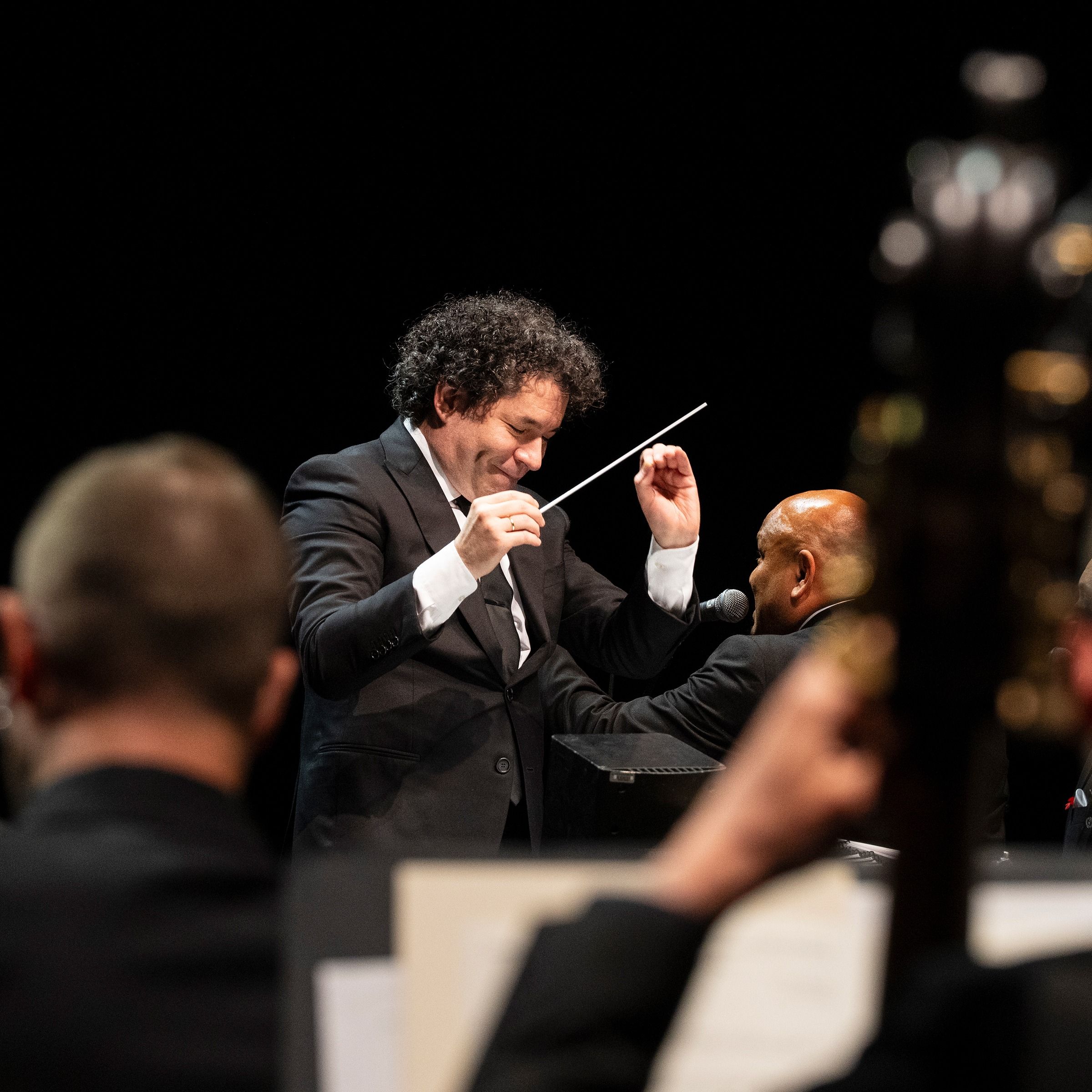 Listen on the show ↗
Key takeaways
- 📉Classical music has been in decline for at least half a century, with an aging audience and a perception of elitism.00:51
- 🌟Gustavo Dudamel's early conducting talent was discovered when he filled in for a late conductor at age 11 or 12, impressing his teacher.01:20
- 🏆At 23, Dudamel won a major international conducting competition, leading to his appointment as music director of the LA Philharmonic.01:40
- 🎬Dudamel transformed the LA Philharmonic by embracing populism, collaborating with celebrities like Kate Blanchett and Anthony Hopkins, and engaging with Hollywood soundtracks.02:18
- 🕺Dudamel's conducting style is characterized by its extreme liveliness and ability to embody scores, channeling specific musical moments across the orchestra.02:59
- 📈Comparisons of Dudamel's early and recent recordings of Beethoven's Fifth Symphony show significant growth, with newer versions being more patient, disciplined, and confident.03:08
Chapters
- 0:57Introduction: The Crisis in Classical Music
- 1:51The Rise of Gustavo Dudamel: From El Sistema to LA Phil
- 3:19Dudamel's Impact in Los Angeles: Populism, Celebrity, and New Music
- 4:08The Art of Conducting: Dudamel's Style and Growth
- 5:02The New York Challenge: Courting Dudamel and Signaling Change
- 1:05:23Dudamel's Vision for the New York Philharmonic: Beyond the Box
- 1:14:39Conclusion: A Force for Good in Music
The digest
Classical music in the United States has long been in trouble, battling for its survival. The possibility of reinventing it seemed out of reach until Gustavo Dudamel came onto the scene and took classical music by storm. Now, Dudamel is bringing his revolution to New York as the new musical director of the city's premier orchestra, the New York Philharmonic.
The State of Classical Music: An Aging Audience and a Niche Art Form
Michael Barbaro opens the episode by noting that classical music has been in a state of decline for years. He observes the "agedness" of the crowd at New York Philharmonic concerts and the general hand-wringing about shrinking audiences. Joshua Barone, classical music writer for The New York Times, agrees with this assessment, stating that classical music held the status of pop culture in America when a lot of its current audience members were children. "It's been, you know, a half-century at least since this thing really mattered in the culture," Barone says. He explains that in the 19th century, European music was widely played in homes, and it wasn't unusual for people to play Beethoven symphonies on the piano. The 20th century saw the dawn of recording and the rise of celebrity conductors like Arturo Toscanini, who founded a symphony orchestra for NBC and released countless recordings. This made classical music accessible at home for the first time. The next generation saw the emergence of Leonard Bernstein, who brought classical music to primetime television, further cementing its place in popular culture.
However, this "heyday" eventually gave way to a "low day." Barone notes that a reputation developed where classical music was seen as elitist. While he doesn't personally believe this, he acknowledges that this popular conception exists. He explains that the traditional model of ticket buyers, who would commit to a whole season of seeing an orchestra, "just doesn't exist anymore." People now buy tickets for maybe one thing, attending once a year or even once every three years. Furthermore, some people are intimidated by the perceived rules of classical music concerts: "You can't talk, you can't be on your phone, you can't clap between movements of a symphony." This has contributed to classical music becoming a niche art form. For the New York Philharmonic, this meant an audience that wasn't replenishing itself, a "drab" concert hall at Lincoln Center with poor acoustics, and conductors after Bernstein who lacked his charisma. All of this, Barone says, "just did not encourage you to love classical music."
Keep reading in The Digest
The full 10-minute article, 5 more sections, and every new episode from The Daily and the creators you follow.
- The Rise of Gustavo Dudamel: From El Sistema to LA Phil
- Dudamel's Impact in Los Angeles: Populism, Celebrity, and New Music
- The Art of Conducting: From Lively to Patient
- The New York Challenge: Replicating Success and Redefining Classical Music
- The Enduring Power of Music: West Side Story
More from The Daily

Chris Rock Has Been Thinking About Forgiveness
Chris Rock discusses his new film Misty Green, reflections on Hollywood, comedy, forgiveness, and personal growth.
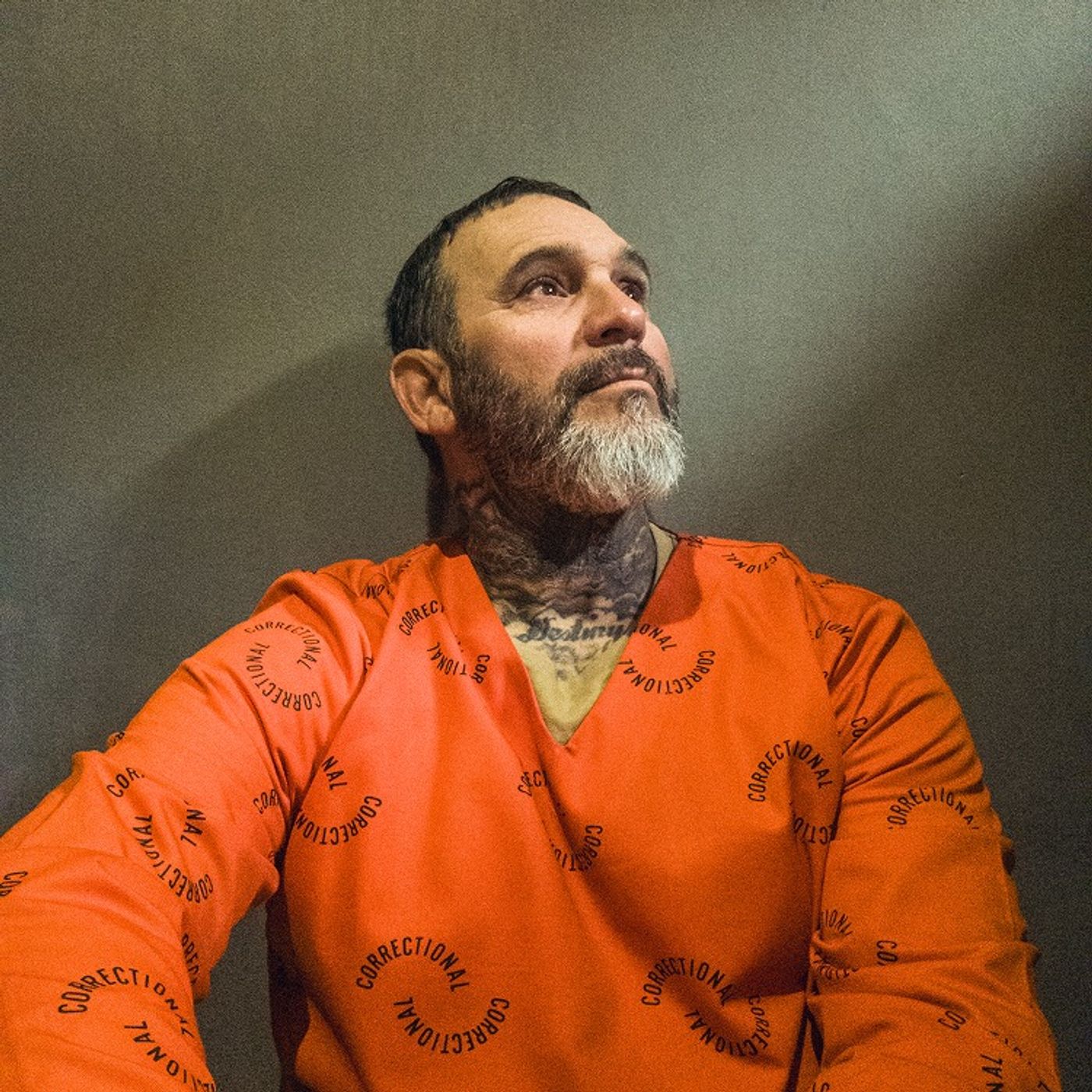
He Was Deported to a Country He’d Never Heard Of
Nicholas Casey reveals the Trump administration's controversial practice of deporting immigrants to unfamiliar third countries, spotlighting Roberto Mosquera's harrowing story in Eswatini.

The Best TV Shows of the 21st Century
Gilbert Cruz and James Poniewozik discuss the New York Times' list of the 100 best TV shows of the 21st century, exploring the evolution of television storytelling and culture.

The Trump Administration Defangs the Endangered Species Act
The Trump administration is rolling back environmental protections, specifically targeting the Endangered Species Act. Rachel Abrams speaks with New York Times colleague Catrin Einhorn about the history of the act, the recent changes, and the potential impact on vulnerable animals and ecosystems.
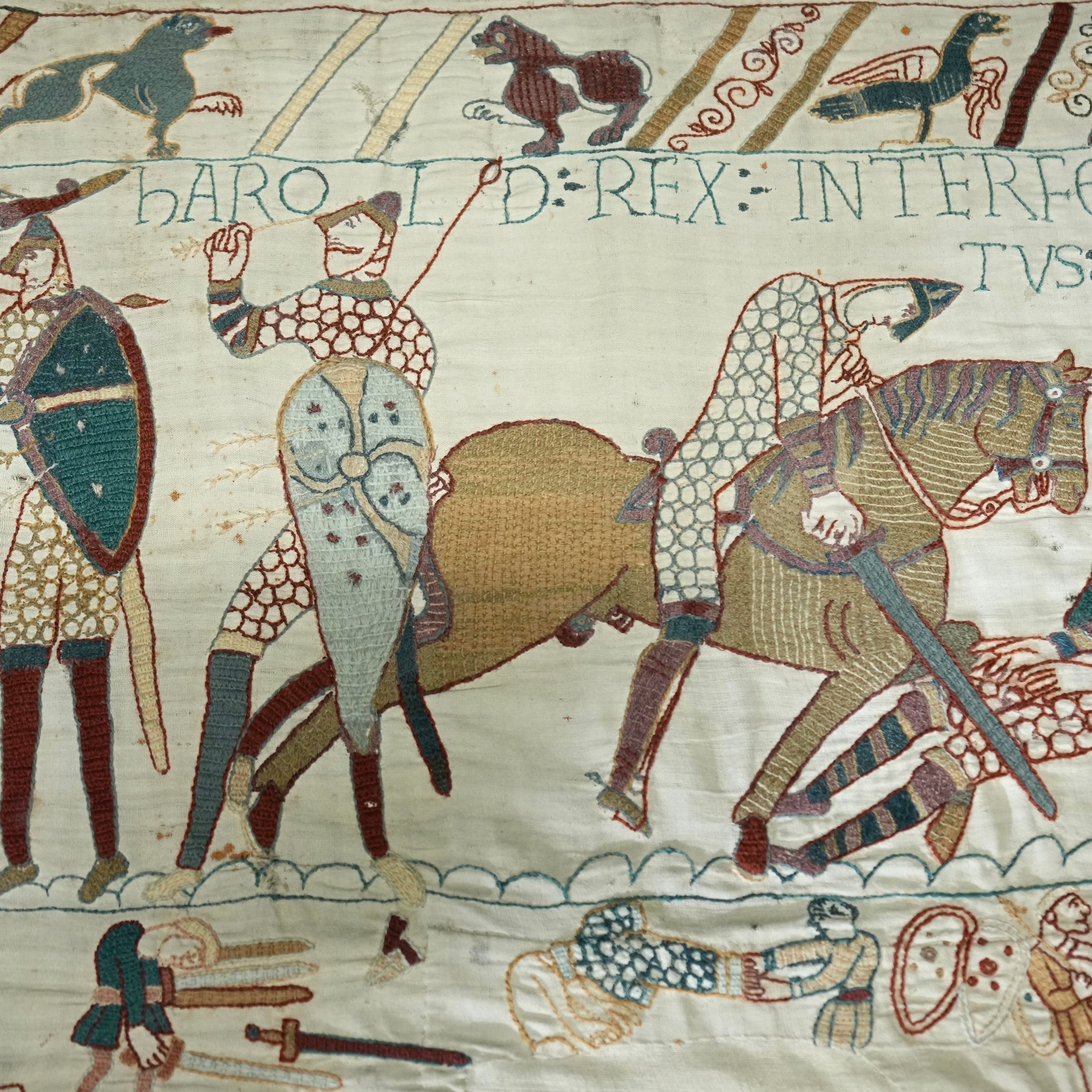
How a 1,000-Year-Old Tapestry Took London by Storm
Culture reporter Alex Marshall explains how the 1,000-year-old Bayeux Tapestry, a piece of fabric depicting the Norman Conquest, became the hottest ticket in London, and why its temporary return to the UK is such a big deal.

Aaron Sorkin Still Believes in American Institutions, Even If No One Else Does
Aaron Sorkin discusses his new film, "The Social Reckoning," a follow-up to "The Social Network," and delves into his writing process, his views on social media, and his enduring optimism for American institutions.