The Daily · Podcast summary
A Couple Breaks Up. Who Gets Custody of Their Embryos?
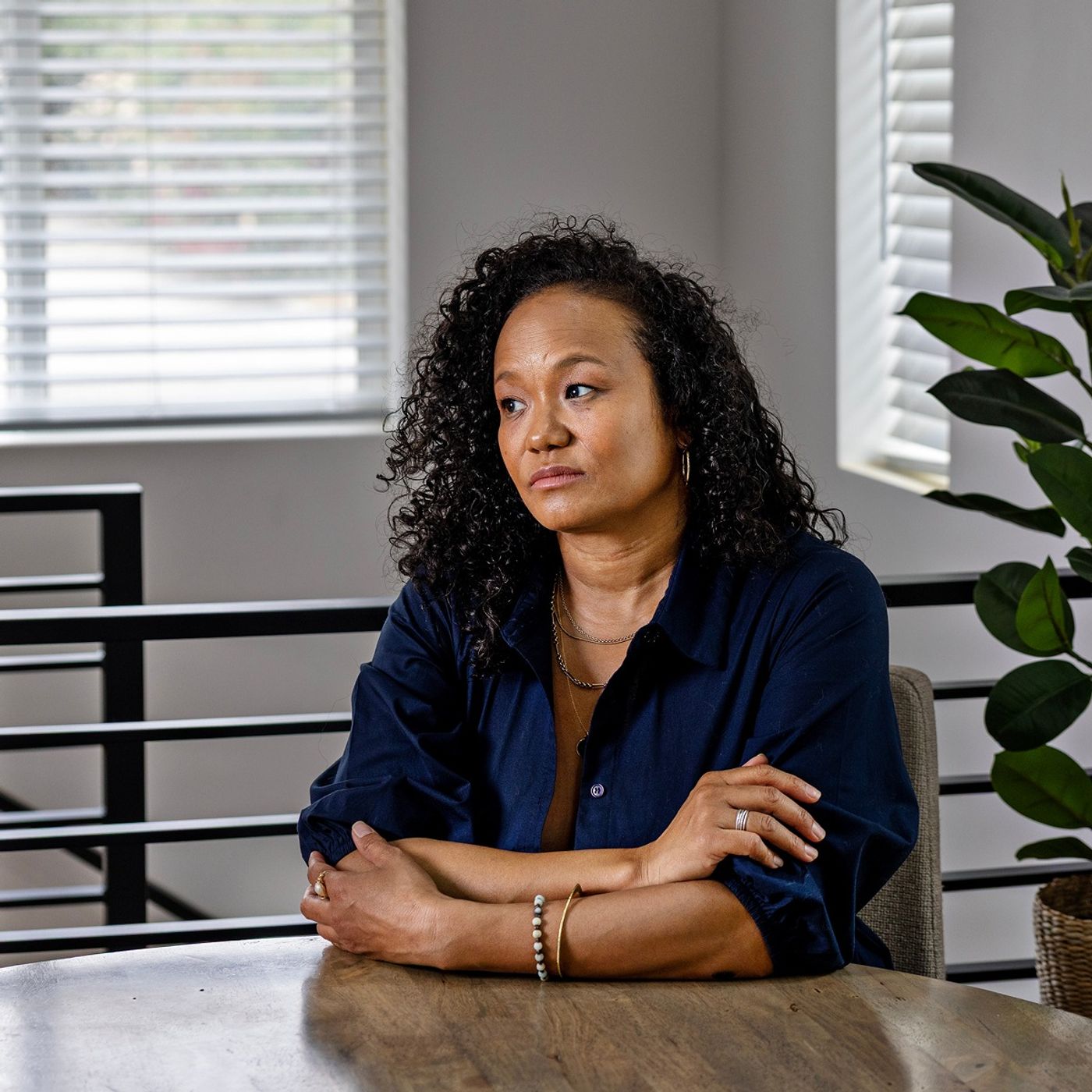
New York Times reporter Caroline Kitchener discusses the legal and emotional complexities surrounding embryo custody disputes after a couple's divorce, highlighting the story of Aaron Millender and Adam Rubin.
 Listen on the show ↗
Key takeaways
- ⚖️The legal system currently lacks clear answers and rules for embryo custody disputes after a couple breaks up, creating a complex emotional and legal limbo.01:00
- 👨👧Aaron Millender's lifelong desire for a family was deeply rooted in her childhood experience of growing up with a single father.05:40
- 📈Aaron meticulously planned her life, prioritizing financial stability and career success, influenced by her mother's advice against marrying too young.06:46
- ❤️Adam's unwavering support during Aaron's father's illness, including assembling furniture and helping him settle in New York, solidified Aaron's view of him as a true partner.14:00
- 💔Aaron's infertility diagnosis and her father's severe stroke created a profound dual burden, leading to immense emotional distress during her IVF journey.17:18
- 😤Adam's withdrawal of consent for embryo transfers without informing Aaron directly was perceived by her as an "incredible betrayal" and deeply disrespectful.27:40
The digest
In an increasingly complex world where medical advancements outpace legal frameworks, the question of who gets custody of frozen embryos after a divorce has emerged as a thorny and deeply personal issue. Rachel Abrams, host of The Daily, sat down with New York Times reporter Caroline Kitchener to explore this uncharted legal territory through the lens of a specific New York divorce case.
The Rise of IVF and the Unforeseen Dilemma
Kitchener began by explaining her focus on IVF, a topic that has gained significant political and social traction, particularly with the Trump administration's campaign promise to make IVF widely accessible. As more and more Americans turn to IVF to have children, the number of stored embryos has skyrocketed, leading to an urgent question: What happens to these embryos if a couple breaks up? The legal system, Kitchener notes, currently offers no clear answers or rules for weighing one person's desire to become a parent against another's desire not to. This ambiguity creates a legal and emotional limbo, as exemplified by the case of Aaron Millender and Adam Rubin.
Keep reading in The Digest
The full 2-minute article, 3 more sections, and every new episode from The Daily and the creators you follow.
- Aaron and Adam: A Story of Shared Dreams and Divergent Paths
- The IVF Journey: Hope, Heartbreak, and a Father's Decline
- The Breaking Point: Withdrawal of Consent and a Betrayal of Trust
More from The Daily

Chris Rock Has Been Thinking About Forgiveness
Chris Rock discusses his new film Misty Green, reflections on Hollywood, comedy, forgiveness, and personal growth.
He Was Deported to a Country He’d Never Heard Of
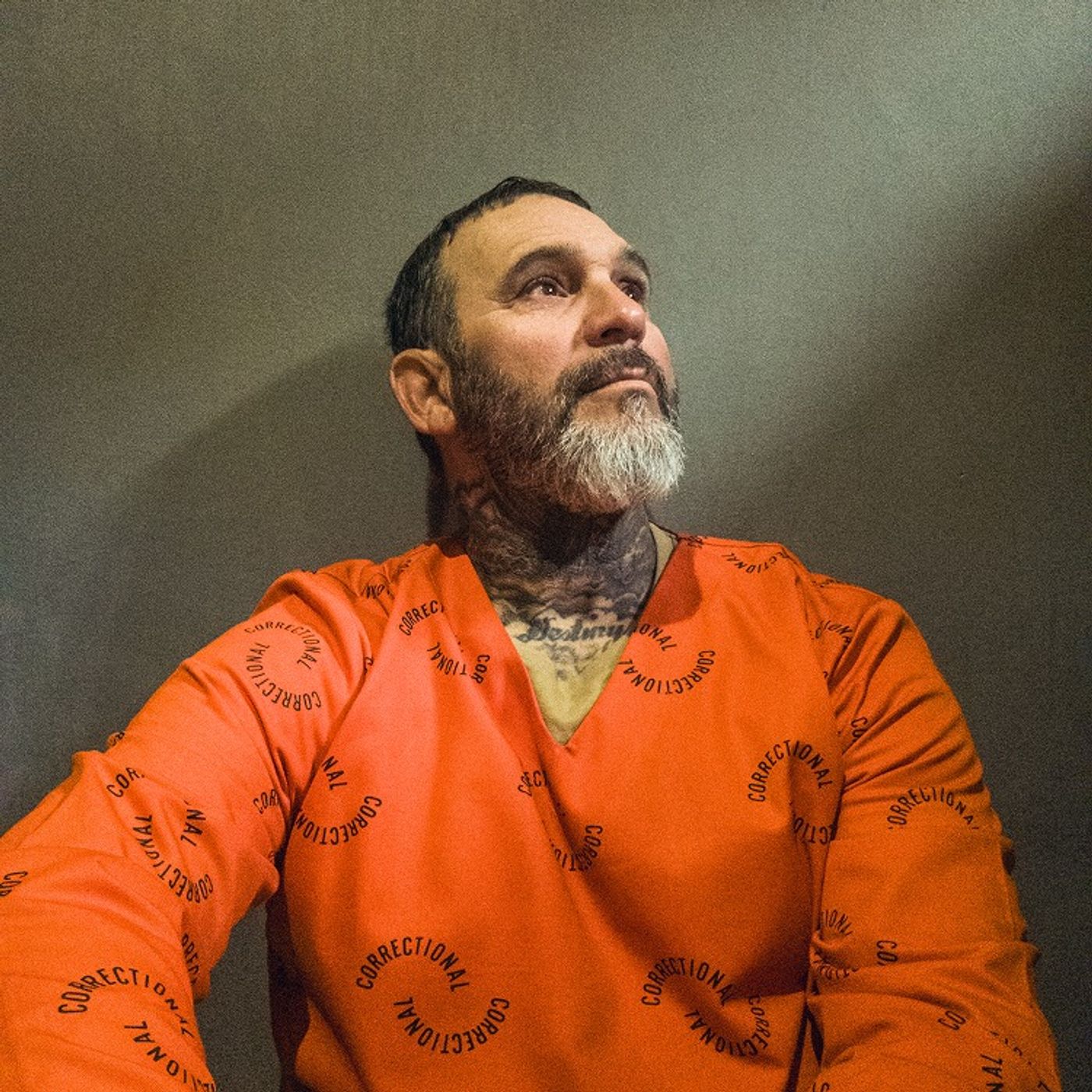
Nicholas Casey reveals the Trump administration's controversial practice of deporting immigrants to unfamiliar third countries, spotlighting Roberto Mosquera's harrowing story in Eswatini.

The Best TV Shows of the 21st Century
Gilbert Cruz and James Poniewozik discuss the New York Times' list of the 100 best TV shows of the 21st century, exploring the evolution of television storytelling and culture.

The Trump Administration Defangs the Endangered Species Act
The Trump administration is rolling back environmental protections, specifically targeting the Endangered Species Act. Rachel Abrams speaks with New York Times colleague Catrin Einhorn about the history of the act, the recent changes, and the potential impact on vulnerable animals and ecosystems.
How a 1,000-Year-Old Tapestry Took London by Storm
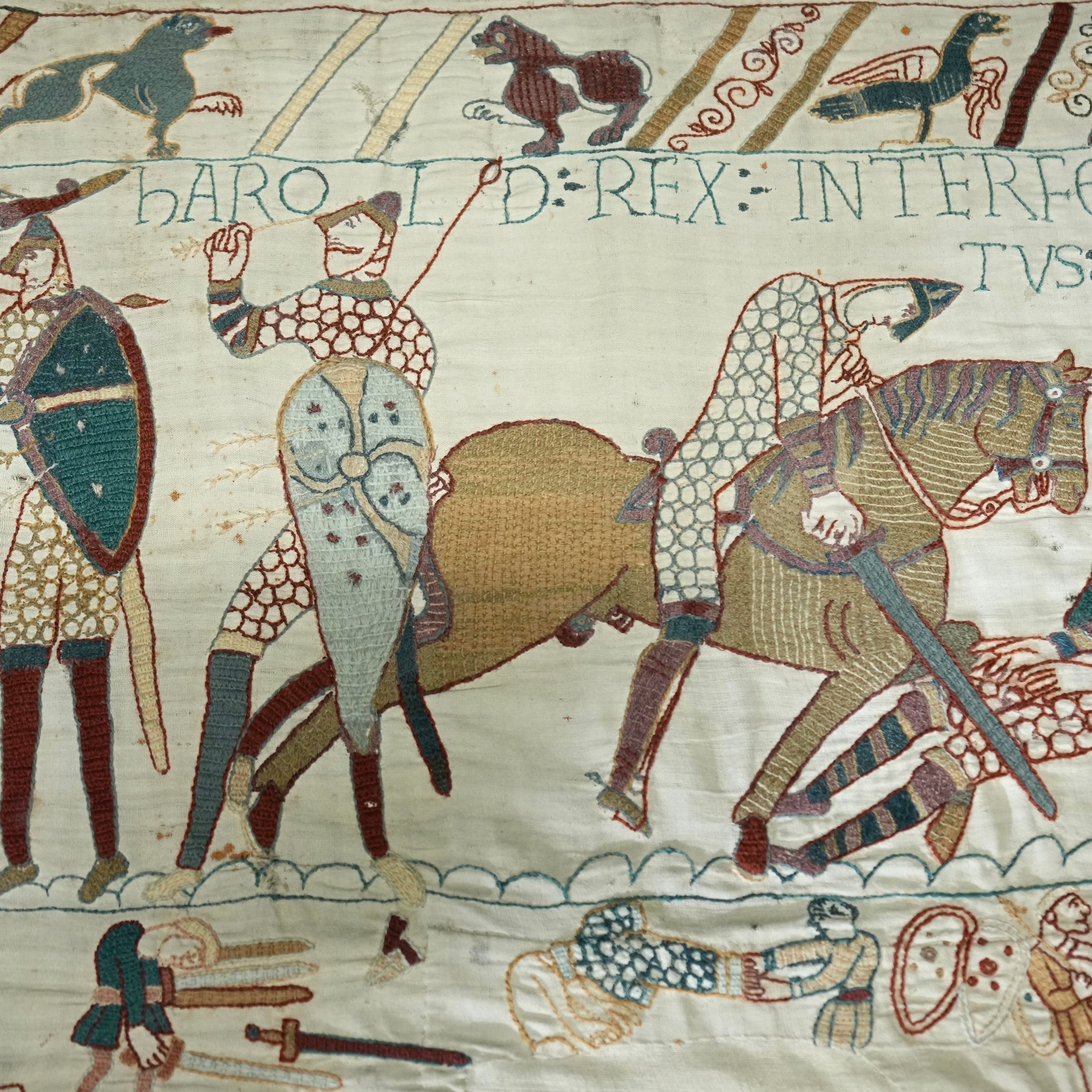
Culture reporter Alex Marshall explains how the 1,000-year-old Bayeux Tapestry, a piece of fabric depicting the Norman Conquest, became the hottest ticket in London, and why its temporary return to the UK is such a big deal.

Aaron Sorkin Still Believes in American Institutions, Even If No One Else Does
Aaron Sorkin discusses his new film, "The Social Reckoning," a follow-up to "The Social Network," and delves into his writing process, his views on social media, and his enduring optimism for American institutions.