Tucker Carlson · Video summary
Tucker Debates Biotech CEO on Baby Customization, Eugenics, and God’s Existence
A biotech CEO and Tucker Carlson debate the ethics of embryo selection and "playing God" in reproduction, exploring genetics, virtue, and unforeseen consequences.

 Watch on YouTube ↗
Key takeaways
- 📈Twin studies show that traits like height and IQ have a significant genetic component (e.g., IQ is ~50% genetic), challenging the idea that environment is the sole determinant.03:19
- 🎯The core of the debate revolves around whether providing more genetic information about embryos to parents constitutes eugenics or simply informed choice, with the CEO arguing it's about reducing suffering, not controlling reproduction.05:51
- 💡Eugenics, historically, did not require knowledge of genetics and was about controlling reproduction through means like forced sterilization, a concept the CEO argues is distinct from providing information for parental choice.07:19
- 🔍The CEO argues that biological characteristics lack inherent moral value; value (or 'virtue') is not biological but derived from other sources, making the 'best' embryo a subjective parental choice, not an objective biological fact.09:49
- 📚The conversation highlights the shift in Silicon Valley's ethos from 'don't be evil' and humility to a focus on growth and GDP, driven by the corrupting influence of immense power, particularly the power to influence human reproduction.23:17
- 📊The debate touches on moral philosophy, contrasting consequentialism (ends justify the means), deontology (rules-based ethics), and virtue ethics (focus on character), with the CEO leaning towards virtue ethics and parental choice.25:17
Chapters
- 0:04🎥 Introduction and Explanation of IVF
- 1:02🧬 Genetic Information and Embryo Selection
- 5:51🤔 Ethics of Trait Selection and Eugenics
- 19:32🛑 Moral and Religious Perspectives on Genetics and Virtue
- 1:09:02🚫 Risks, Unintended Consequences, and Ethical Limits
- 1:37:16🌱 The Future of Genetic Technology and Society
The digest
This detailed discussion unpacks the emerging biotech practice of genetic information analysis in IVF embryos, allowing prospective parents to select embryos based on risks of hereditary diseases and certain traits. It critically examines the scientific basis, ethical concerns, the potential societal consequences—including parallels and distinctions from eugenics—and the spiritual questions about life, virtue, and moral responsibility. This dialogue is essential for policymakers, bioethicists, healthcare professionals, and anyone interested in the profound implications of biotechnology on human reproduction.
High-Level Overview
IVF clinics have long tested embryos for chromosomal abnormalities, but advancements now allow for broader genetic screening, providing insights on risks for diseases like cancer, Alzheimer’s, and schizophrenia, as well as non-disease traits such as IQ and height. This technology enables parents to selectively implant embryos based on genetic profiles, raising complex questions about morality, the definition of life, and human agency. The conversation explores how this technology contrasts with historical eugenics, grapples with the concept of moral and biological value, and navigates the tension between scientific possibilities and spiritual beliefs about the soul and virtue.
Keep reading in The Digest
The full 7-minute article, 13 more sections, and every new episode from Tucker Carlson and the creators you follow.
- Understanding IVF and Genetic Embryo Selection
- Eugenics: Historical Context and Modern Distinctions
- Moral and Philosophical Dimensions of Genetic Selection
- Genetic Determinism Versus Environmental and Spiritual Factors
- Societal Implications: Risks and Self-Correcting Mechanisms
- Technological Futurism and Regulatory Challenges
- Spiritual and Ethical Reflections on Power and Virtue
- Key Frameworks and Mental Models
- 1. Three Moral Philosophies Explored (26:00–28:15):
- 2. Instrumental vs. Moral Value (41:00–41:30):
- 3. Frequency-Dependent Selection (58:30–59:20):
- Practical Implications & Takeaways
- Action-Oriented Summary
More from Tucker Carlson

Tucker Responds to Trump’s Plan to Livestream an Execution and His Anti-Christian Death Cult
Tucker Carlson responds to Donald Trump's plan to livestream an execution and the broader implications of a society that embraces public violence and a "death cult" mentality.
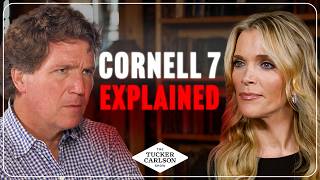
Megyn Kelly on the Totalitarian Absurdity of the Cornell 7 “Rape” Case
Megyn Kelly discusses the Cornell 7 "rape" case, detailing the events of the night, the subsequent legal proceedings, and the broader implications for justice and media coverage.

Thought Crimes, Cults, and Propaganda: The System’s Evolution Into Nazi Totalitarianism
CJ Hopkins, a playwright and satirist, discusses his journey from a New York leftist to a critic of COVID-19 measures, leading to his book being banned and a criminal investigation in Germany for "pro-Nazi propaganda."

Parents of Alleged J6 Pipe Bomber Say the Government Is Framing Their Son
Tucker Carlson sits down with Delicia and Brian Cole Sr., the parents of Brian Cole Jr., who has been arrested and charged as the January 6th pipe bomber. They discuss the shocking details of his arrest, the lack of evidence, and the profound impact on their family.
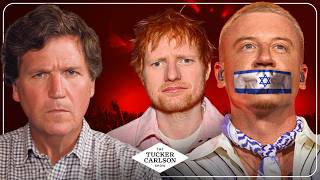
Tucker Responds to the Epstein Class Attacking Macklemore & Resurrecting Cancel Culture
Tucker Carlson discusses the legacy of Charlie Kirk, focusing on his beliefs in free speech and Christianity, and how these principles are under attack by both the left and increasingly, the right. He examines the hypocrisy of those who claim to champion free speech while actively engaging in censorship.

Norman Finkelstein Cuts Through Israel’s Propaganda: Gaza Genocide, Oct. 7 & Netanyahu’s Corruption
Norman Finkelstein, author of "Gaza: An Inquest into Its Martyrdom," discusses the historical context leading up to the October 7th attacks and the subsequent Israeli response, arguing that Gaza has been treated as a concentration camp for decades.