Tucker Carlson · Video summary
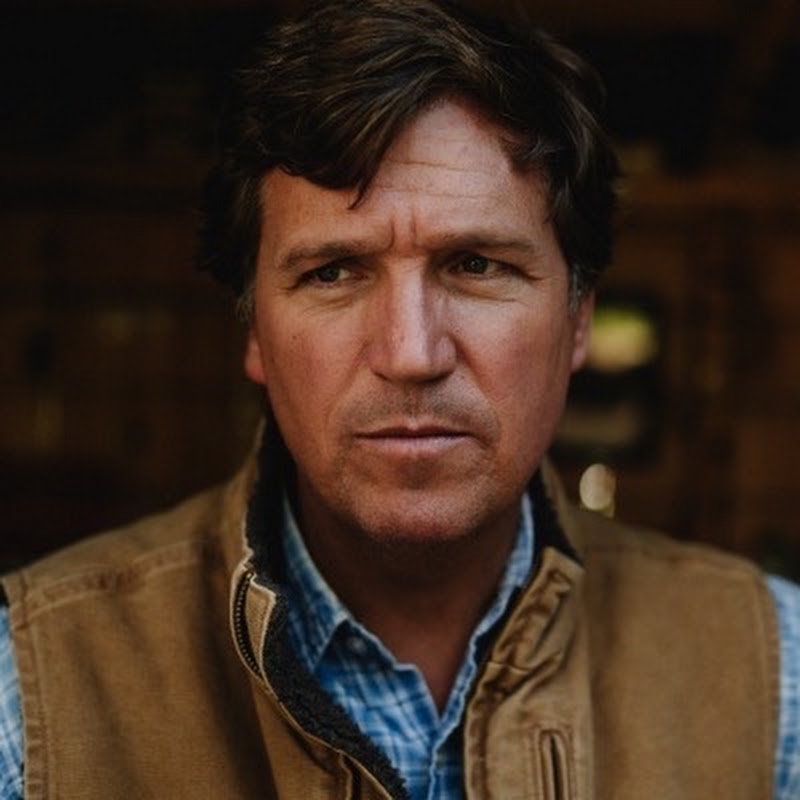
Trump Announces the End of Global American Empire. Here’s What Comes Next.
The end of the American unipolar moment is here, marked by the inability to control global chokepoints like the Strait of Hormuz, necessitating a shift to resource-based power and regional focus.
 Watch on YouTube ↗
Key takeaways
- 🎯The core of global power and economic function hinges on control of critical choke points like the Strait of Hormuz, not military might alone.04:38
- 📝Recognize the end of the unipolar moment and the limitations of military power to enforce order, demanding a new approach focused on restoring order through diplomacy and mutual interest.12:01
- 💡True power lies in the ability to restore order and create, not merely destroy; nations that can ensure vital commerce flow, like through the Strait of Hormuz, are in charge.12:07
- 🚀The US has lost its ability to guarantee global commerce flow, signaling the end of its unipolar moment and necessitating a strategic pivot to resource-based power and hemispheric focus.31:31
- 🔍Geopolitical power is fundamentally derived from resources—food, water, and energy—which drive prosperity and enable military strength, making resource-rich regions inherently powerful.32:33
- 🔧Understand that geography and resources are the primary drivers of power and prosperity, and adjust strategic thinking accordingly.33:31
Chapters
- 0:04🎯 Introduction and Key Headlines
- 0:40🎯 Historical War Promises and Realities
- 1:24🎯 US Troop Movements and Regime Change
- 4:23🎯 Geography and Power: The Strait of Hormuz
- 8:16🎯 Limits of Military Force in Opening the Strait
- 12:01🎯 Power Defined as Restoring Order
- 18:21🎯 Implications for US Global Influence
- 23:58🎯 China and Asia's Strategic Calculations
- 32:41🎯 Resources and Power in Geopolitics
- 36:32🎯 US Hemisphere and Global Power Shifts
- 51:41🎯 The End of American Empire and Future Outlook
- 54:27🎯 Conclusion and Call to Action
- 54:48🎯 Modern Propaganda and Censorship
The digest
High-Level Overview
The speech by President Trump marks a pivotal moment signaling the decline of American global hegemony, especially in the Middle East, centered on the contested Strait of Hormuz. This moment challenges assumptions about U.S. military dominance and raises urgent questions about the nature of global power, sovereignty, and the future of international order. The analysis highlights the complex geopolitical realities, including the limits of military force, the economic underpinnings of power, and the shifting dynamics toward regional and emerging powers like China. It also critiques ideological and religious institutions intertwined with America's imperial posture, framing the moment as both an end and a potential new beginning.
Keep reading in The Digest
The full 8-minute article, 15 more sections, and every new episode from Tucker Carlson and the creators you follow.
- The Immediate Military and Political Realities (00:04–01:37)
- The Real Question: Who Controls Global Power? (02:48–04:18)
- The Strategic Importance of the Strait of Hormuz (04:23–09:00)
- Power Defined: The Ability to Restore Order (11:30–13:04)
- Consequences for U.S. Allies in the Gulf (13:14–16:08)
- Trump's Directive: Regional Responsibility and China's Role (19:49–24:02)
- China’s Strategic Advantage and the End of U.S. Unipolarity (24:02–30:19)
- The End of the Unipolar Moment and the Future of American Power (30:41–32:33)
- The New Geography of Power: Resources Over Military Might (33:02–37:34)
- The Hemispheric Shift: Canada and Mexico in Focus (37:34–42:19)
- The Decline of American Empire and Protestant Christianity (42:23–54:22)
- Conclusion: Endings and New Beginnings (54:22–55:28)
- Key Framework: Power as the Ability to Restore Order
- Practical Implications & Takeaways
- Action-Oriented Summary
More from Tucker Carlson
Tucker Responds to Trump’s Plan to Livestream an Execution and His Anti-Christian Death Cult
Tucker Carlson responds to Donald Trump's plan to livestream an execution and the broader implications of a society that embraces public violence and a "death cult" mentality.
Megyn Kelly on the Totalitarian Absurdity of the Cornell 7 “Rape” Case
Megyn Kelly discusses the Cornell 7 "rape" case, detailing the events of the night, the subsequent legal proceedings, and the broader implications for justice and media coverage.

Thought Crimes, Cults, and Propaganda: The System’s Evolution Into Nazi Totalitarianism
CJ Hopkins, a playwright and satirist, discusses his journey from a New York leftist to a critic of COVID-19 measures, leading to his book being banned and a criminal investigation in Germany for "pro-Nazi propaganda."

Parents of Alleged J6 Pipe Bomber Say the Government Is Framing Their Son
Tucker Carlson sits down with Delicia and Brian Cole Sr., the parents of Brian Cole Jr., who has been arrested and charged as the January 6th pipe bomber. They discuss the shocking details of his arrest, the lack of evidence, and the profound impact on their family.
Tucker Responds to the Epstein Class Attacking Macklemore & Resurrecting Cancel Culture
Tucker Carlson discusses the legacy of Charlie Kirk, focusing on his beliefs in free speech and Christianity, and how these principles are under attack by both the left and increasingly, the right. He examines the hypocrisy of those who claim to champion free speech while actively engaging in censorship.

Norman Finkelstein Cuts Through Israel’s Propaganda: Gaza Genocide, Oct. 7 & Netanyahu’s Corruption
Norman Finkelstein, author of "Gaza: An Inquest into Its Martyrdom," discusses the historical context leading up to the October 7th attacks and the subsequent Israeli response, arguing that Gaza has been treated as a concentration camp for decades.