Radiolab · Podcast summary
The Sweetest Thing
What is the sweetest thing? Latif Nasser and Lulu Miller go on a quest to find the answer, and discover that it's not as simple as it seems.

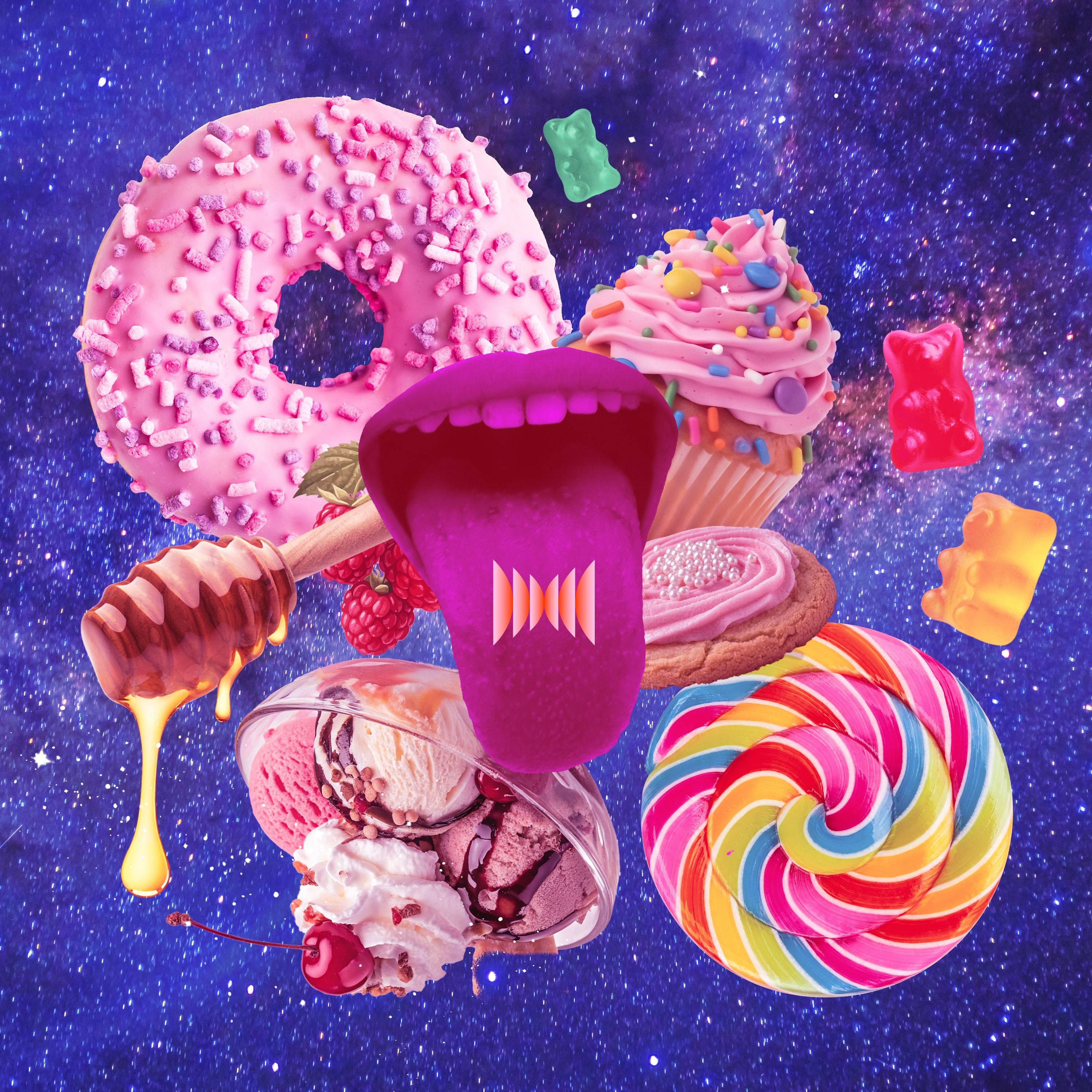 Listen on the show ↗
Key takeaways
- 🧪The food industry measures sweetness by 'potency,' determining how little of a substance is needed to match the sweetness of sugar, rather than its maximum perceived sweetness.04:55
- 🍬Lugduname is the most potent sweetener known, 300,000 times sweeter than sugar, but it's not FDA-approved for human consumption because it turns blood the color of chocolate.08:05
- 💡Our sweetness receptor acts like a 'dimmer switch,' meaning it can get brighter but only up to a certain point, after which adding more sweetener won't increase perceived sweetness.12:36
- 🍭Sugar itself might be the 'sweetest thing' in terms of perceived intensity, as it can turn the sweetness receptor up to its highest level.13:01
- 🧠Our brains are hardwired to seek sugar because glucose is the brain's best fuel, and the sweet taste of mother's milk is an evolutionary cue for survival.13:34
- 🍓The perceived sweetness of food can be enhanced by non-sugar smell molecules (volatiles), visual cues (like color), and even high-pitched sounds (sonic seasoning).17:27
Chapters
- 3:19Introduction: What is the Sweetest Thing?
- 7:00The Food Industry's Sweetness Scale
- 20:00Beyond Potency: The Dimmer Switch of Sweetness
- 22:10The Evolutionary Imperative of Sweetness
- 27:18Hacking Sweetness: Beyond Taste Buds
- 36:45The Ultimate Sweetness: A Mind Game?
- 46:48Space Raspberries and the Future of Sweetness
- 50:30Outro and Credits
The digest
What is the sweetest thing? This seemingly simple question, posed by Latif Nasser's children, launches a fascinating exploration into the nature of sweetness, human perception, and even the cosmos. In this episode of Radiolab, Latif Nasser and Lulu Miller embark on a quest to uncover the ultimate sweet sensation, guided by scientists, biochemists, and neurobiologists.
The Food Industry's Sweetness Scale
The journey begins with Eric Walters, a biochemist who previously worked at NutraSweet, a company renowned for developing artificial sweeteners. Walters explains that the food industry's approach to measuring sweetness revolves around "potency." This involves a panel of specialized taste testers who compare the sweetness of various substances to a baseline of table sugar. They dilute a substance until it matches the sweetness of a standard sugar solution, and the amount of dilution required determines its potency. This method is particularly useful for companies aiming to use the smallest possible amount of a sweetener to achieve a desired taste, thereby maximizing profit. However, as Lulu points out, this doesn't necessarily answer the question of what truly is the sweetest thing, but rather what is the most potent.
Walters then reveals a ranked list of sweeteners, starting with familiar ones and progressing to increasingly potent compounds:
- Honey: Approximately 1.5 times sweeter than sugar.
- Aspartame: Found in Equal, it's about 200 times sweeter than sugar.
- Katempfe Fruit: A little red berry from West African rainforests, it's 2,000 times sweeter than sugar.
- Advantame: A synthetic sweetener, it's a staggering 20,000 times sweeter than sugar. Just a pinch can sweeten 500 gallons of water.
- Lugduname: The reigning champion, this molecule is 300,000 times sweeter than sugar. However, it's not FDA-approved for human consumption due to a peculiar side effect: it turns blood the color of chocolate.
Keep reading in The Digest
The full 5-minute article, 5 more sections, and every new episode from Radiolab and the creators you follow.
- Beyond Potency: The Dimmer Switch of Sweetness
- The Evolutionary Imperative of Sweetness
- Hacking Sweetness: Beyond Taste Buds
- The Ultimate Sweetness: A Mind Game?
- Space Raspberries and the Future of Sweetness
More from Radiolab

Grass Apes
Biologist David George Haskell reveals how grass shaped human evolution and sustains our diets today.

23 Weeks 6 Days
In this episode, Radiolab revisits a powerful story about a couple's journey to parenthood and the ethical dilemmas surrounding premature birth, featuring interviews with the parents, medical professionals, and bioethicists.

Dolly Parton's America: Sad Ass Songs
Jad Abumrad explores the enduring appeal of Dolly Parton, delving into her music, persona, and the surprising ways she connects with a diverse audience.

Patient Zero
This episode delves into the origins of diseases, focusing on the infamous Typhoid Mary and the surprising true story behind the invention of the high-five.

Nigel and the Real Gannet
In this episode, Annie McEwen tells the story of Nigel, a gannet who fell in love with a concrete decoy, and the conservationists who hoped his presence would attract other gannets to a new colony.