Radiolab · Podcast summary
Nigel and the Real Gannet
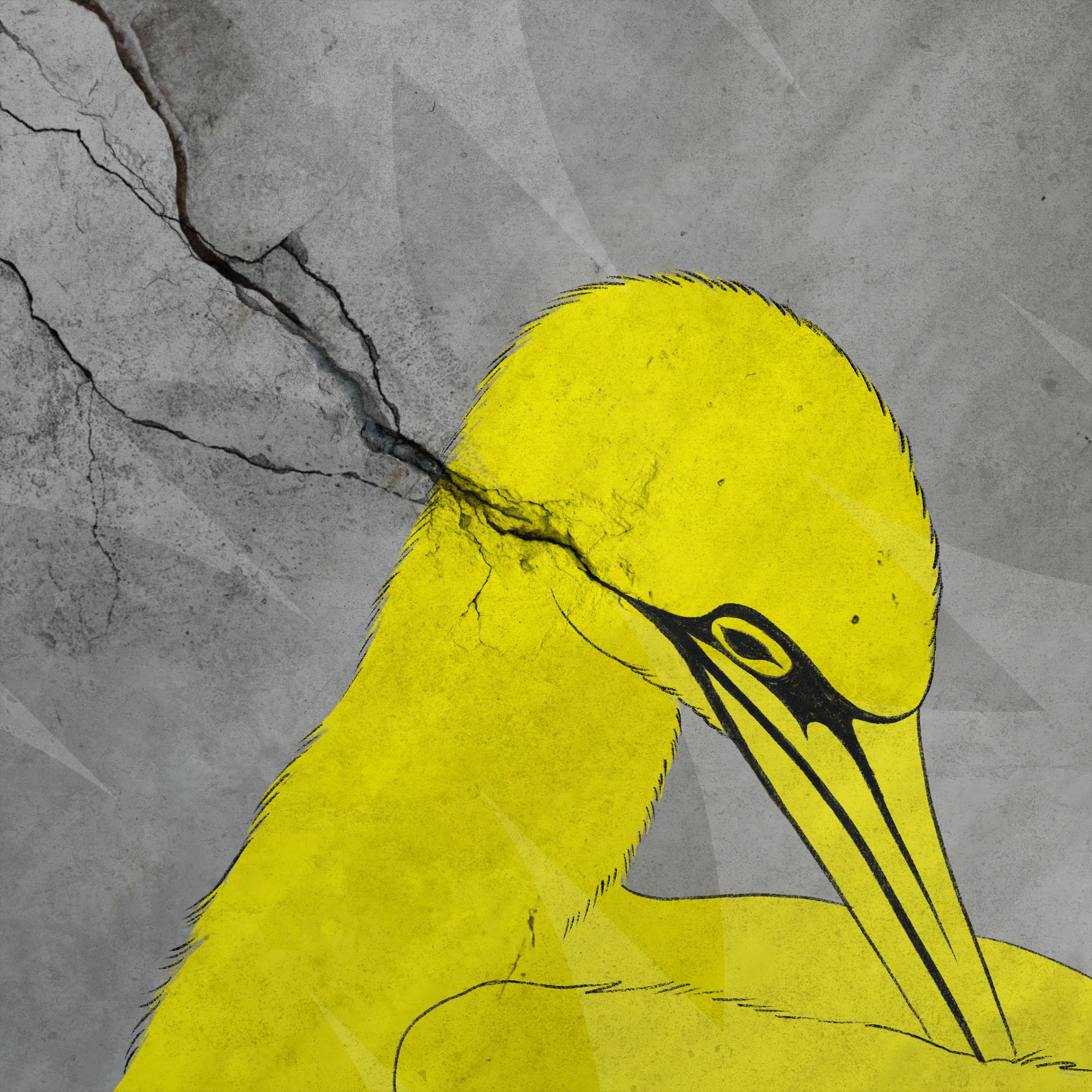
In this episode, Annie McEwen tells the story of Nigel, a gannet who fell in love with a concrete decoy, and the conservationists who hoped his presence would attract other gannets to a new colony.

 Listen on the show ↗
Key takeaways
- 🚜Mana Island was once heavily farmed, leading to significant ecological damage before conservation efforts began.02:37
- 🐦The Department of Conservation used concrete gannet decoys and recorded sounds to attract real gannets to Mana Island.05:33
- ⏳The decoy gannet project was initially a failure for nearly 20 years, with no real gannets arriving.06:44
- ❤️Nigel, the first real gannet to arrive, developed a unique bond with one of the concrete decoys, performing courtship rituals with it.07:51
- 🏡Nigel built a nest for his concrete mate, demonstrating his commitment to the decoy.09:00
- 💔Despite the arrival of other live gannets, Nigel remained loyal to his concrete partner, ignoring the new birds.15:37
Chapters
- 0:49Introduction to Mana Island and Chris Bell
- 3:53Mana Island's Ecological Restoration
- 5:00The Decoy Gannet Colony
- 9:51Nigel's Arrival and Unconventional Love
- 18:41The Colony Expands, Nigel's Loyalty Endures
- 28:42Nigel's Demise and Lasting Legacy
- 31:59The Unknowable Desires of a Gannet
The digest
RadioLab's Latif Nasser introduces Annie McEwen, who shares a peculiar story about a small life that touched people all over the world. The story begins with Chris Bell, a total loner who, a decade ago, was the sole inhabitant of Mana Island, off the west coast of New Zealand. Mana Island is described as the perfect size, not too big or too small, taking about an hour and a half to walk across. It features cliffs, a high grassy plateau, shrubs, and woodland. Chris lived there in an old farmhouse, making his own food and sharing the house with handfuls of geckos. He often spent 10 days without seeing or hearing another human.
Mana Island's Transformation
Mana Island was once farmland for over a hundred years, leading to a significant decline in wildlife. Sheep and cows ate all the grass and trees, and invasive species like mice arrived, preying on the eggs of birds and lizards. This reduced the ecosystem to a wasteland. In the 1980s, the Department of Conservation of New Zealand stepped in, removing all the mice and sheep. Once the pests were gone, planting and restoration began. The island was then designated as a safe haven for fragile species, including McGregor's skink, gold-striped gecko, Cook Strait giant weta (a large, lumbering grasshopper), kiwi birds, little blue penguins (kororās), and the endangered takahe (a giant blue chicken).
Keep reading in The Digest
The full 6-minute article, 6 more sections, and every new episode from Radiolab and the creators you follow.
- The Decoy Colony
- Nigel's Arrival
- Nigel's Unconventional Love Story
- The Colony Grows, Nigel Remains Loyal
- A Tragic End and a Deeper Meaning
- The Unknowable Desires of a Gannet
More from Radiolab
Grass Apes
Biologist David George Haskell reveals how grass shaped human evolution and sustains our diets today.

The Sweetest Thing
What is the sweetest thing? Latif Nasser and Lulu Miller go on a quest to find the answer, and discover that it's not as simple as it seems.

23 Weeks 6 Days
In this episode, Radiolab revisits a powerful story about a couple's journey to parenthood and the ethical dilemmas surrounding premature birth, featuring interviews with the parents, medical professionals, and bioethicists.

Dolly Parton's America: Sad Ass Songs
Jad Abumrad explores the enduring appeal of Dolly Parton, delving into her music, persona, and the surprising ways she connects with a diverse audience.

Patient Zero
This episode delves into the origins of diseases, focusing on the infamous Typhoid Mary and the surprising true story behind the invention of the high-five.