Static in the Attic · Video summary
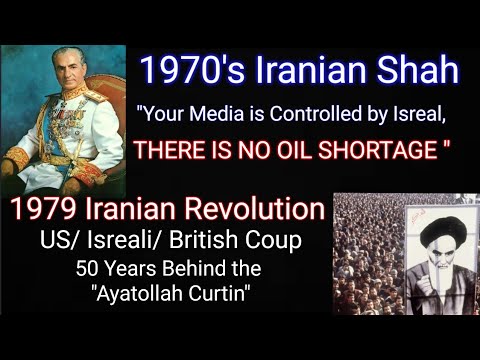
Shah Outed the Fake Oil Crisis & Was Replaced - Petrodollar System Rise & Fall (Now)
The petrodollar system's rise and fall is explored, revealing how political manipulation created oil scarcity and devalued currencies, impacting global power dynamics.
 Watch on YouTube ↗
Key takeaways
- 🔧Analyze current geopolitical events through the lens of historical energy policies and currency manipulation to understand underlying motivations.00:21
- 🚀Geopolitical shocks, like the Nixon shock of 1971, served as warnings for nations to reduce dependency on foreign currencies and strengthen their own economic power.05:05
- 💡The petrodollar system, established in the early 70s, pegged the US dollar to oil, creating an artificial scarcity that benefited specific nations and influenced global economic policy.06:05
- 📚Research the history of the petrodollar system and its impact on national economies and global power structures to better grasp current financial trends.06:05
- 🔍The narrative around the Shah of Iran's downfall, often attributed to his opulent lifestyle, overlooks the US foreign policy interventions and the strategic importance of controlling oil wealth.08:35
- 🎯The 1970s oil crises were not due to actual scarcity but were political retaliations and manipulated embargoes, leading to massive price hikes and currency devaluation.13:45
Chapters
- 0:00🎯 Introduction and Context
- 0:22🎯 Persia's Role and Historical Background
- 1:57🎯 Oil and Western Interests
- 4:40🎯 The 1971 Nixon Shock and US Dollar Collapse
- 6:46🎯 Oil Crisis and Geopolitical Tensions of the 70s
- 8:55🎯 Iranian Revolution and Replacing the Sha
- 21:44🎯 CIA Involvement and Deception
- 23:08🎯 Oil and Energy System Sabotage
- 27:43🎯 Global Energy Transition Plans
- 29:49🎯 Recent Conflicts and Geopolitical Shifts
- 31:28🎯 The Future of US Relevance and Currency
- 31:53🎯 Conclusion and Personal Reflection
The digest
A detailed examination of Iran’s Shah, the manufactured 1970s oil crisis, and the geopolitical forces that shaped the global petrodollar system—highlighting how the system’s origins, manipulation, and eventual unraveling reveal deeper international power dynamics still influencing today’s energy and economic landscape.
High Level Overview
This analysis focuses on the pivotal role Persia (modern-day Iran) and its last monarch, Shah Mohammad Reza Pahlavi, played in the creation and collapse of the petrodollar system—a global economic arrangement linking the US dollar to oil trade that has sustained American geopolitical dominance since the 1970s. It exposes how narratives around the 1970s energy crises were manipulated to serve strategic interests, how the Shah was portrayed unjustly and ultimately ousted with foreign assistance, and how the petrodollar system’s decay today signals profound shifts in global power and energy politics. The discussion is essential for those seeking to understand the hidden forces driving international finance, energy security, and Middle Eastern geopolitics.
Keep reading in The Digest
The full 6-minute article, 11 more sections, and every new episode from Static in the Attic and the creators you follow.
- Structured Deep Dive
- Persia’s Role and the Shah’s Leadership (00:20–07:10)
- The 1971 Nixon Shock and the Birth of the Petrodollar (04:40–06:10)
- The 1970s Oil Crisis: Manufactured Scarcity and Hidden Profits (13:40–17:00)
- Foreign Influence and the Iranian Revolution (08:25–11:10; 21:00–23:10)
- Religious and Ethnic Dynamics in Regional Oil Control (11:30–13:10)
- The Decline of US Oil Production and the Shifting Energy Landscape (06:30–07:40; 27:00–29:00)
- Contemporary Global Power Shifts and the Petrodollar’s Fall (26:30–31:50)
- Key Frameworks and Mental Models
- Practical Implications & Takeaways
- Action-Oriented Summary
More from Static in the Attic

The BEST Creation Myth I've Ever Heard (Slavic) Simulation Theory
A Slavic creation myth reveals the fundamental duality of existence and how conflict shapes reality, from the primordial sea to the structured cosmos.
Wait, Is THIS Where Oil Comes From?
Everything that burns originates from organic matter that has captured solar energy. This trapped sunlight is released as heat when the organic material is ignited.

Velikovsky - The Day the Earth Stood Still, How the "Red Sea" Got It's Name
Reinterpreting ancient myths as cosmic catastrophe accounts, this video links the "sun stood still" stories and the "Red Sea's" name to comet impacts, explaining geological formations and historical events through celestial impacts.
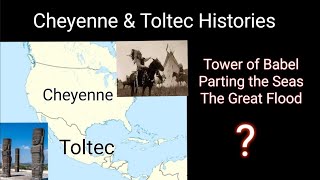
The Lost Tribes ?
Ancient Native American legends from the Cheyenne and Tolteks echo biblical narratives like the Tower of Babel and the Great Flood, suggesting shared ancient origins and advanced knowledge.