Rich Roll · Video summary
Recovering Alcoholic Breaks Down Tiger Wood's Behavior
Addiction obliterates rationality, making the behavior of high-achievers like Tiger Woods understandable through the lens of unhealed childhood wounds and transactional love, leading to self-sabotage.

 Watch on YouTube ↗
Key takeaways
- 🧠Addiction obliterates rationality, making the brain under the influence incapable of logical decision-making, which explains seemingly irrational self-destructive acts by individuals with significant resources.03:50
- 💥High-achievers may engage in unconscious self-sabotage as a way to 'get out' of overwhelming situations when they lack the courage to quit or change their path directly.07:41
- 🤕Childhood wounds and unmet emotional needs, particularly from demanding or transactional parental figures, can manifest as adult self-destructive behaviors and addiction.11:39
- 🔍Reflect on your own childhood experiences and identify any unmet emotional needs that may still influence adult behavior patterns.15:14
- ⚖️When love and approval are transactional, based on achievement, individuals may face an existential crisis upon reaching the pinnacle of success, lacking intrinsic worth and seeking to 'prove' their unworthiness through destructive acts.18:32
- 🎢Addiction is often described as an 'elevator to rock bottom', where individuals may need to experience significant pain before being willing to step off and seek help, as the addicted brain cannot solve the problems it created.25:24
Chapters
- 0:00🎯 Introduction to Tiger Woods' Incidents
- 0:54🎯 Understanding Addiction Through Tiger Woods' Behavior
- 4:30🎯 Addiction as Insanity and Lack of Rational Control
- 4:50🎯 Personal Experiences with Impaired Driving
- 6:50🎯 Possible Self-Sabotage and Unconscious Motives
- 11:00🎯 Childhood Wounds and Development of Talent/Their Needs
- 16:10🎯 The Role of Transgenerational Expectations and Love
- 19:18🎯 The Impact of External Pressures and Success on Identity
- 21:12🎯 Media as a Source of Judgment and Its Effects
- 25:31🎯 Intervention Challenges and the Addict's Resistance
- 29:32🎯 Pathways to Help and the Importance of Compassion
- 30:31🎯 Hope and Recovery are Possible
The digest
This commentary provides an empathetic and nuanced understanding of Tiger Woods’ recent DUI arrest, contextualizing his behavior within addiction dynamics, unresolved childhood trauma, and the extraordinary pressures of public life. It explains why addiction drives seemingly irrational decisions even among highly successful individuals, explores possible subconscious self-sabotage, and highlights the importance of compassion and unconditional love in addressing addiction. The insights are aimed at audiences seeking deeper perspectives on addiction’s complexity beyond surface-level judgment.
High-Level Overview
Tiger Woods’ arrest for DUI after a car crash in broad daylight has puzzled many due to his prominence and resources. Drawing on personal experience with addiction and recovery, the commentator dissects this event not as isolated misconduct but as part of a deeper pattern linked to addiction, pain management, and unresolved emotional wounds originating in childhood. This analysis reframes public confusion about Woods’ behavior, encouraging greater empathy and highlighting the difficulty of intervention without the addict’s willingness. It appeals to those interested in addiction recovery, psychology, and the human side of public figures facing personal struggles.
Keep reading in The Digest
The full 7-minute article, 13 more sections, and every new episode from Rich Roll and the creators you follow.
- Addiction’s Overpowering Impact on Rationality
- Potential Unconscious Self-Sabotage: Seeking an Exit Through Chaos
- Childhood Trauma and the Burden of Perfectionism
- The Existential Crisis of Having “Won It All” and the Drive to Prove Worth
- Challenges and Hope for Intervention
- Media Judgment Versus Empathy: A Call for Compassion
- Key Frameworks and Mental Models
- 1. The Addicted Brain Under Influence
- 2. Self-Sabotage as Subconscious Exit Strategy
- 3. Childhood Origins of Addiction and Behavior Patterns
- 4. The Elevator (Rock Bottom) Metaphor
- Practical Implications & Takeaways
- Action-Oriented Summary
More from Rich Roll
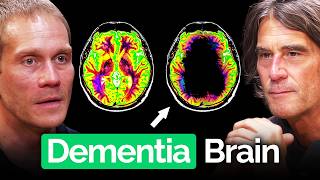
Neuroscientist Warns: These Daily Habits Are Raising Your Dementia Risk
Neuroscientist Dr. Tommy Wood explains that 45-70% of dementias are preventable through lifestyle changes, emphasizing the 3S model (Stimulus, Supply, Support) for brain health.

Recovering Alcoholic Breaks Down Shia LaBeouf’s Recent Behavior
Insights on addiction and recovery, using Shia LaBeouf's behavior as a case study to illustrate the importance of action over words and the challenges of self-will vs. surrender.

How I Rebuilt My Life By Rewiring My Obsession
A former Wall Street trader and master athlete shares his journey of overcoming addiction and trauma by confronting his obsessive nature and learning to prioritize self-healing over external validation.