Rich Roll · Video summary
How I Rebuilt My Life By Rewiring My Obsession
A former Wall Street trader and master athlete shares his journey of overcoming addiction and trauma by confronting his obsessive nature and learning to prioritize self-healing over external validation.

 Watch on YouTube ↗
Key takeaways
- 🔍Trauma, even if not consciously remembered or identified, can manifest psychosomatically, leading to unexplained behaviors like missed appointments, and requires dedicated healing processes.05:01
- 📈Success and external achievements do not inoculate against mental health struggles; in fact, they can sometimes be a mask for deep-seated pain and lead to depression or suicidal ideation when the external validation fades.07:21
- 🚀Identify and confront destructive coping mechanisms and obsessions by engaging in dedicated work, rather than just being aware of them.10:14
- 💡Self-awareness of destructive patterns (like addiction or unhealthy obsession) is insufficient; active confrontation and work are required to unpack and heal from them.10:14
- 💪True personal growth often comes from embracing discomfort and failure rather than solely pursuing victory; setbacks provide crucial lessons that success cannot.13:53
- 📚Healing childhood wounds is the most courageous and essential work one can undertake, as it interrupts generational trauma and allows one to show up as their most self-actualized self for their family.21:01
Chapters
- 0:00🎯 Introduction and Background
- 1:54🎯 Roots of Obsession and Childhood Trauma
- 6:37🎯 Endurance Sports and Coping Mechanisms
- 7:23🎯 Success, Successes, and Emotional Bottoms
- 43:02🎯 Addiction and Sobriety Journey
- 56:21🎯 Facing Childhood Trauma and Healing
- 1:16:48🎯 Parenting and Setting an Example
- 1:19:52🎯 Impacts of Childhood Wounds as Strengths and Weaknesses
- 1:25:12🎯 The Power of Willingness and Taking Action
- 1:35:52🎯 Final Messages and Reflection
- 1:36:51🎯 Mastering Emotions and Self-Control
- 1:41:14🎯 Letting Go of External Validation
- 1:45:18🎯 Cancer, Family Challenges, and Resilience
- 1:45:51🎯 Spirituality and Faith
The digest
High Level Overview
Ken Rideout’s journey from a chaotic childhood marked by trauma and addiction, through high-level athletic and financial success, to deep personal healing offers a profound exploration of the power and pitfalls of obsession. This conversation unpacks how his relentless drive both propelled and imperiled him, the confrontation with unresolved trauma that led to meaningful recovery, and how healing ultimately meant redefining his relationship with himself, his family, and his past. The story is a candid blueprint for anyone grappling with internal battles hidden behind external victories, emphasizing discipline, vulnerability, and the ongoing quest for peace.
Keep reading in The Digest
The full 6-minute article, 11 more sections, and every new episode from Rich Roll and the creators you follow.
- Structured Deep Dive
- Childhood Trauma and the Roots of Obsession (0:54–4:07)
- Addiction, Sobriety, and Running as Coping Mechanisms (4:07–13:14)
- Family, Parenting, and the Challenges of Intensity (13:15–19:12)
- The Mental Framework of “Win or Die Trying” (1:00:28–1:05:03)
- Practical Advice on Discipline, Willingness, and Change (1:05:04–1:14:24)
- The Role of Spirituality and Finding Peace (1:45:58–1:51:52)
- Embracing Vulnerability and Authenticity in Public Life (1:44:00–1:53:27)
- Key Frameworks, Models, or Mental Maps
- Practical Implications & Takeaways
- Action-Oriented Summary
More from Rich Roll

Recovering Alcoholic Breaks Down Tiger Wood's Behavior
Addiction obliterates rationality, making the behavior of high-achievers like Tiger Woods understandable through the lens of unhealed childhood wounds and transactional love, leading to self-sabotage.
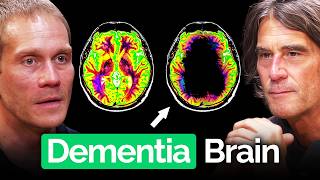
Neuroscientist Warns: These Daily Habits Are Raising Your Dementia Risk
Neuroscientist Dr. Tommy Wood explains that 45-70% of dementias are preventable through lifestyle changes, emphasizing the 3S model (Stimulus, Supply, Support) for brain health.

Recovering Alcoholic Breaks Down Shia LaBeouf’s Recent Behavior
Insights on addiction and recovery, using Shia LaBeouf's behavior as a case study to illustrate the importance of action over words and the challenges of self-will vs. surrender.