Nutrition with Judy · Video summary
Did Jesus Eat Meat? Was Jesus Plant-Based? What the Bible Shares (Part 1)
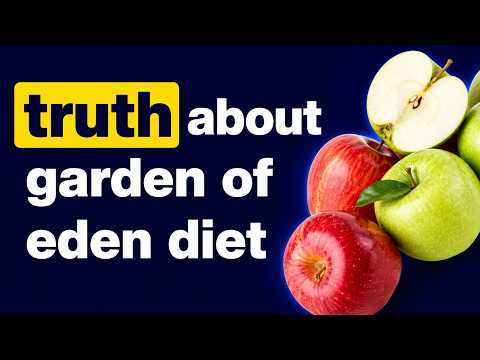
Biblical dietary laws have been misconstrued, with the Old Testament's ceremonial laws fulfilled by Christ, rendering modern adherence to specific diets like the Daniel diet or Garden of Eden diet unnecessary for spiritual or physical health.

 Watch on YouTube ↗
Key takeaways
- 🤔Avoid misinterpreting specific biblical passages (like Genesis 1 or Daniel's diet) in isolation; instead, consider the broader context and narrative of scripture to form a comprehensive understanding of dietary guidance.02:01
- 💡The Garden of Eden diet (Genesis 1) initially prescribed only plant-based foods, but this changed in Genesis 9 after the flood, when God explicitly allowed the consumption of all living creatures, indicating meat was then permissible.03:59
- 📚Re-evaluate personal beliefs about biblical dietary laws by reading Genesis 9, Mark 7, Acts 10, and Romans 14 to understand the shift from Old Testament ceremonial laws to New Testament principles.04:07
- 🎯The Daniel diet was not presented as an ideal universal diet for optimal health, but rather as an act of faithfulness by Daniel and his companions to abstain from royal food, with their improved health attributed to God's provision, not solely the vegetables.07:18
- 🔑Old Testament dietary laws (e.g., prohibitions on pork, shellfish, blood) were ceremonial laws under the Mosaic covenant, which were fulfilled by Christ's sacrifice and are no longer binding on Christians.10:12
- 🚫Release guilt or judgment associated with eating certain foods (like meat, pork, or shellfish) based on a misapplication of Old Testament laws, recognizing that these are no longer binding under the New Covenant.10:40
Chapters
- 0:00🎯 Introduction and Question about Biblical Diet
- 2:59🎯 Genesis 1 and the Original Creation Diet
- 4:10🎯 Post-Flood Changes in Diet – Genesis 9
- 5:24🎯 The Daniel Diet and Its Context
- 9:06🎯 Old Testament Dietary Laws and Clean/Unclean Foods
- 11:00🎯 Jesus and the Fulfillment of Old Laws – Mark 7 and Matthew 15
- 13:30🎯 New Testament View on Food and Dietary Law
- 15:25🎯 Peter’s Vision and the Acceptance of All Foods – Acts 10
- 16:36🎯 Feeding the 5,000 and Biblical Feasts
- 21:02🎯 Summary and Final Thoughts on Biblical Eating Practices
- 21:44🎯 Conclusion and Upcoming Topics
The digest
This analysis examines whether the Bible supports a meat-inclusive diet or advocates for a strictly plant-based regimen, focusing on key scriptural passages related to the diets of Adam and Eve, Daniel, and Jesus. It challenges common interpretations that promote plant-based eating as the divinely intended or optimal diet, emphasizing the changing covenants throughout scripture and the meaning behind dietary laws in both the Old and New Testaments. The discussion is vital for anyone interested in the intersection of faith, nutrition, and wellness, particularly those curious about how biblical teachings relate to modern dietary choices.
Understanding the Biblical Diet: Context and Common Claims
The central question is whether the original "biblical diet" was plant-based, as suggested by references to the Garden of Eden and Daniel’s diet, or if meat consumption was biblically permissible and even necessary. The video clarifies that many interpretations selectively cite verses without considering their broader narrative or covenantal context, leading to contradictory conclusions.
Keep reading in The Digest
The full 5-minute article, 8 more sections, and every new episode from Nutrition with Judy and the creators you follow.
- Genesis 1 vs. Genesis 9: From Plant-Based to Meat-Eating Permission
- The Daniel Diet: Contextual Faithfulness, Not Universal Prescription
- Old Testament Dietary Laws vs. New Testament Teachings
- Jesus and Meat-Eating Practices
- Misplaced Emphasis on Specific Dietary Laws
- Conclusion: What the Bible Really Teaches About Diet
- Practical Implications & Takeaways
- Action-Oriented Summary
