The Prof G Pod – Scott Galloway · Video summary
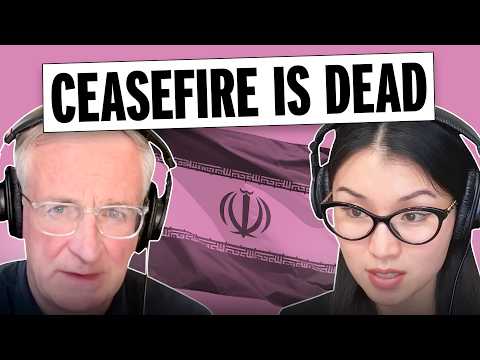
China Steps In as Trump’s Ceasefire UNRAVELS | China Decode
China's role in the Iran conflict is shifting from potential mediator to a key player, with US tariffs and potential arms sales creating geopolitical friction and economic risks.

 Watch on YouTube ↗
Key takeaways
- 🎯China is increasingly caught between its economic reliance on Middle Eastern oil and US pressure regarding potential arms sales to Iran, forcing a complex balancing act.01:53
- 💡The US is leveraging economic tools, like threatening 50% tariffs on Chinese goods, to pressure China regarding its relationship with Iran, directly linking geopolitical tensions to economic stakes.03:05
- 🚀Monitor China's response to US tariff threats and potential arms sales to Iran, as this will significantly impact US-China economic relations.03:05
- 📈While China is the largest importer of oil transiting the Strait of Hormuz (37.7%), this represents only about 6% of its total energy consumption, making the economic impact of a blockade 'weatherable'.04:41
- 🔍China's involvement with Iran extends beyond oil, with US intelligence indicating the use of Chinese firm Mizar Vision's AI-enhanced satellite imagery by Iran, blurring the lines between assistance and weaponry.06:05
- 🚀The US views potential Chinese air defense system sales to Iran as a significant escalation, risking substantial trade sanctions and pushing China back into US crosshairs.06:42
Chapters
- 0:00🎯 Introduction and Context
- 0:19🎯 China's Role in US-Iran-Israel Conflict
- 2:09🎯 US-China Tensions and Military Movements
- 6:33🎯 China's Diplomatic and Military Strategies
- 16:19🎯 Taiwan and China's Reunification Goals
- 24:12🎯 Possible China-Taiwan Conflict Scenarios
- 27:31🎯 Military Capabilities and Risks of Conflict
- 30:50🎯 Economic Impact of Conflict and Market Risks
- 34:24🎯 Book Promotion and Next Segment Tease
- 37:12🎯 Market and Economic Predictions
The digest
China’s complex role in the escalating conflict involving Iran, the US, and Israel, alongside its strategic positioning regarding Taiwan, signals a pivotal moment in global geopolitics and economics. This briefing unpacks China’s military and diplomatic engagements with Iran, the repercussions for US-China relations amid heightened tensions and sanctions threats, and the evolving prospects of Taiwan’s future in the face of Chinese influence and American deterrence. The insights, sourced from expert analysis and recent developments, provide a comprehensive understanding for policymakers, investors, and international relations professionals tracking these intertwined crises.
China’s Involvement in the Middle East Conflict
Keep reading in The Digest
The full 6-minute article, 21 more sections, and every new episode from The Prof G Pod – Scott Galloway and the creators you follow.
- Historical Arms Sales and Current Ambiguity (00:00–08:00)
- US Response and Economic Stakes (02:00–08:00)
- Regional Military and Economic Impact (08:00–14:00)
- China’s Diplomatic Balancing Act
- China’s Efforts in Mediation and Influence (10:30–13:30)
- Geopolitical Gains Amid Economic Strains (13:30–14:16)
- Taiwan’s Political and Military Context
- Taiwan’s Internal Politics and Beijing’s Engagement (16:00–20:00)
- Historical Background and Xi Jinping’s Reunification Objectives (18:00–23:00)
- Military Scenarios and US Deterrence Strategy
- Spectrum of Chinese Military Options (24:00–27:30)
- The Importance of Crisis Deterrence (26:30–27:30)
- Military Balance and Lessons from Iran Conflict (27:30–30:30)
- Economic Consequences of a Taiwan Conflict
- Impact on Global Supply Chains and Technology (31:00–34:00)
- Broader Economic Forecasts and Predictions
- Rising Inflation and Supply Chain Disruptions in China (39:00–42:00)
- Competitive Pressures on Japanese Automakers (37:00–39:00)
- Key Framework: US-China-Taiwan Crisis Deterrence Strategy
- Practical Takeaways for Stakeholders
- Action-Oriented Summary
More from The Prof G Pod – Scott Galloway

Timothy Snyder: Canada Still Wants America as a Friend
Timothy Snyder discusses the ongoing war in Ukraine, its implications for global military strategy, and the shifting dynamics of international alliances, including the strained relationship between the US and Canada.

Can Meta’s Muse AI Agent Actually Save You Money?
Meta's new AI assistant, Muse, is making waves by offering advanced AI agent capabilities to the average consumer for free, challenging the existing AI landscape and potentially disrupting the 'annoyance economy.'

You’ll Pay for the AI Bubble Even if You Never Use It | Office Hours
Professor Scott Galloway discusses the current state of the data center building boom, Apple's new subscription model, and how to position yourself for a promotion.

Cybersecurity Expert: AI Didn’t Escape. Someone Let It Out. | Conversations
Alex Stamos, former Chief Security Officer of Meta and Yahoo, discusses the recent AI safety concerns, including the Hugging Face jailbreak incident, and offers his perspective on the future of AI regulation and cybersecurity threats.

Scott Galloway: When Moving Back in With Your Parents Is Actually OK | Office Hours
Scott Galloway discusses the US national debt, key man risk in media, and the financial tradeoffs of living with parents.

Could China Replace the U.S. as the Global Superpower? | China Decode
In this final episode of China Decoded, Alice Han and James Kynge discuss China's future trajectory, focusing on its role in the Fourth Industrial Revolution, its geopolitical ambitions in the Global South, and its growing cultural influence, while also addressing the challenges and tensions that lie ahead.