Paul Chek · Video summary
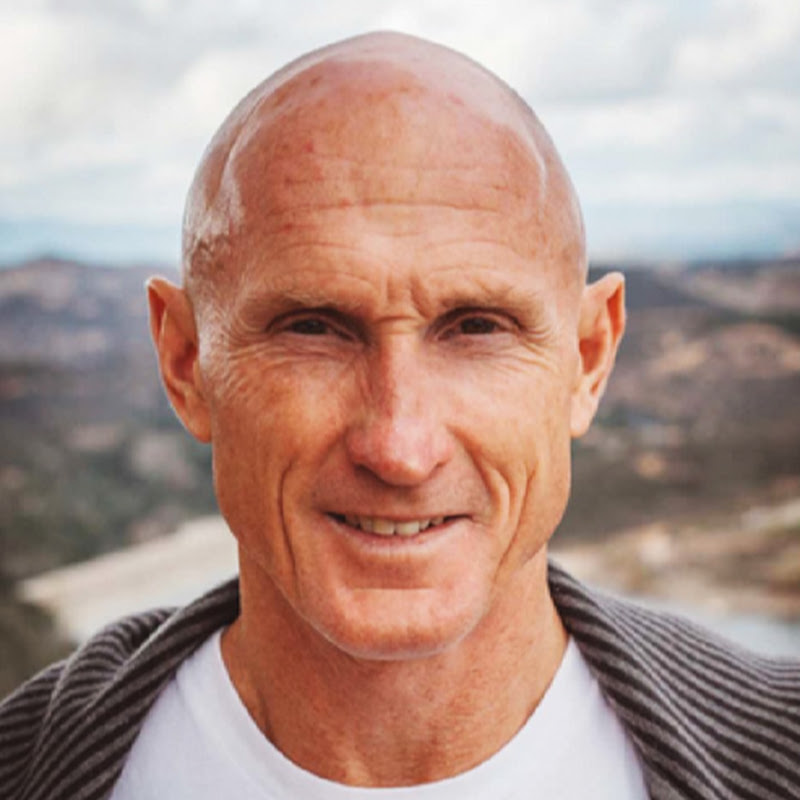
Where Ancient Medicine Meets Modern Mental Health | Maestro Hamilton
Ancient medicine like Wuma can help restore imagination and creativity, especially in the era of AI dominance over human consciousness.
 Watch on YouTube ↗
Key takeaways
- 🎯Wuma offers grounding and can reset perception, essential for enhancing imagination in a tech-dominated world.03:53
- 🔍A war of light and dark exists for human consciousness, profoundly affecting our awareness and decision-making.08:11
- 💡The increasing reliance on AI may diminish human creativity and sovereignty, reinforcing the need for tools like plant medicine.08:20
- 🚀Explore plant medicine options as a means to enhance creativity and counteract AI-induced challenges.08:41
- 📊Lack of healthy food choices and lifestyle habits contribute to a negative bias in our nervous systems, impacting mental health.16:01
- 📚Plant medicine can reveal areas requiring healing, but true spiritual growth stems from personal engagement with one's own inner journey.34:04
Chapters
- 0:00🎤 Introduction and Guest Introduction
- 1:00🗺️ Location of the Guest
- 2:00🌱 Courses Offered at Blue Morpho Lodge
- 3:00❤️ Heart-Powered Vision and Imagination
- 4:00🌍 Reconnect with Nature
- 5:00🖥️ AI's Impact on Imagination
- 6:00⚔️ The War of Light and Dark
- 7:00🧠 Consciousness and War
- 8:00🕊️ Plant Medicines as Tools
- 9:00🌌 Understanding Our Nature
- 10:00🦒 Human Evolution
- 11:00🌊 Balance of Left and Right Brain
- 12:00⚖️ Negative Bias of Human Nature
- 13:00🌀 Unconscious Drives during Plant Medicine Ceremonies
- 14:00🚪 Cultural Disconnect
- 15:00🔑 Role of Effective Guidance in Plant Medicine
- 16:00🔄 Medicine Culture vs. Drug Culture
- 17:00🗣️ The Role of Personal Responsibility
- 18:00🌈 Plant Medicines and Healing
The digest
This discussion explores the integration of ancient plant medicine traditions—particularly the use of San Pedro cactus (Huma/Wuma) and Ayahuasca—with contemporary challenges in mental health and human consciousness. It highlights the potent role of these medicines in reconnecting individuals with their embodied, imaginative, and ecological selves amidst the rising influence of technology and artificial intelligence (AI). The conversation also underscores the critical distinction between a medicine culture and a drug culture, emphasizing the need for guided integration, self-work, and community support for genuine healing and spiritual growth.
Reconnecting with Heart, Imagination, and Grounding through San Pedro Cactus (Huma)
San Pedro cactus, known as Huma or Wuma, is presented as a profound, yet less-known, plant medicine traditionally used in the Andean and Amazonian regions. Unlike the high-intensity and shorter Ayahuasca ceremonies, San Pedro offers a long, grounding experience lasting 10 to 20 hours, facilitating deep communication with the natural environment and clearing the mental veil that distorts perception. This medicine resets imagination and opens the heart, qualities increasingly critical in an era dominated by screens and advancing artificial intelligence, where human creativity and consciousness risk diminishment.
Hamilton Suther emphasizes how Huma is surprisingly accessible, especially in some regions like California, where it often grows as a common houseplant, yet its powerful healing properties remain underappreciated in broader Western culture. Suther also notes the medicine’s effectiveness as a complement to Ayahuasca, serving as a centering and integrative tool that helps people process their visionary experiences "in real time," hence enhancing mental and emotional stabilization post-ceremony.
Keep reading in The Digest
The full 6-minute article, 7 more sections, and every new episode from Paul Chek and the creators you follow.
- The First War: Light and Dark Fighting for the Human Soul
- Human Evolution, Plant Medicines, and Consciousness Development
- Challenges of Society and Technology to Consciousness and Healing
- Plant Medicine as a Gateway, Not a Cure
- Mental Maps and Frameworks Presented
- Practical Implications and Takeaways
- Action-Oriented Summary
More from Paul Chek

The Well-Rounded Woman | Natasha Kingsbury
Natasha Kingsbury, artist, rancher, farmer, mother, and wife to Kyle Kingsbury, shares her journey of overcoming childhood trauma, finding her spiritual path, and embracing a well-rounded life.

Forget Little Green Men: Consider the Sentient Theory of UFOs/UAPs | Michael Jawer
Paul Chek and Michael Jawer discuss the nature of emotions, the subconscious, and the phenomenon of UFOs, exploring how these concepts intertwine with human consciousness and our understanding of reality.

The Take on Evil That Made My Guest Get Death Threats
In this podcast episode, Paul Chek interviews a guest who shares his transformative journey from a troubled childhood marked by dyslexia and adversity to becoming a successful educator and speaker, emphasizing the profound impact of inspirational figures like Paul Bragg on his life. The conversation explores themes of self-discovery, resilience, and the interconnectedness of human experiences.

Shadow, Ego, and What Real Healing Looks Like
In this video, Paul Chek explores shadow work as a vital process for inner healing, emphasizing that the shadow is not a defect to be eliminated but a necessary aspect of the psyche that fosters spiritual growth and self-realization. He provides insights on effectively engaging with the shadow to enhance personal development and collective consciousness.

The Truth About Spiritual Awakening No One Talks About
In this video, Paul Chek discusses the symptoms of rising consciousness and the importance of becoming aware of our choices, emphasizing how societal structures and corporate interests contribute to our unconsciousness and health crises. He encourages reflection and mindful living to foster genuine spiritual awakening and personal growth.

272 Emotions and You Probably Only Know 28 of Them | D. Earl Johnston
In this episode, Paul Chek interviews D. Earl Johnston, author of Choosing Emotions, who discusses the importance of understanding a wide range of emotions—beyond the commonly recognized few—to improve self-awareness and communication. He emphasizes that emotions are not sporadic but continuously influence our actions and decisions, serving as an operating system for navigating life.