Peter Osborne · Video summary
What Really Causes High Blood Pressure? How to Lower It Naturally
Understand the root causes of high blood pressure beyond just numbers. Focus on lifestyle, inflammation, and nutrient deficiencies, not just medication.

 Watch on YouTube ↗
Key takeaways
- 🎯High blood pressure is often a symptom of underlying issues like reduced oxygen to the brain (due to anemia or poor posture), chronic stress (including lack of sleep and chemical exposures), and inflammation, rather than a broken system.03:08
- 💡Inflammation is a key driver of high blood pressure, constricting blood vessels by impairing nitric oxide production, and is triggered by factors like ultra-processed foods and sedentary lifestyles.06:58
- 📈Blood pressure guidelines have been controversially lowered, partly due to pharmaceutical industry influence, leading to overdiagnosis and potentially unnecessary medication for conditions like 'prehypertension'.19:31
- 🔧Discuss your blood pressure readings and treatment plan with your doctor, questioning potentially lowered guidelines and advocating for investigations into root causes beyond medication.24:15
- 🔍Inaccurate blood pressure readings are common due to 'white coat syndrome,' patient stress/anger, and improper measurement techniques (e.g., not resting, incorrect arm position), leading to potentially incorrect diagnoses and treatments.26:22
- 🚀Diet and lifestyle changes, including weight loss, adopting a whole-foods diet (like DASH), and consistent physical activity (especially HIIT and weightlifting), can be more effective than medication for lowering blood pressure.37:42
Chapters
- 0:00🎯 Introduction: The Real Cause of High Blood Pressure
- 1:56📈 The Prevalence and Risks of High Blood Pressure
- 2:57🧠 Mechanism 1: Reduced Oxygen to the Brain
- 4:31🧘♀️ Mechanism 2: Chronic Stress
- 6:58🔥 Mechanism 3: Inflammation
- 9:04⚖️ Factors Contributing to High Blood Pressure: Obesity and Sedentary Lifestyle
- 12:02☀️ Insufficient Sunshine Exposure
- 13:33🚬 Lifestyle Factors: Smoking, Alcohol, and Caffeine
- 14:42🍎 Dietary Impacts: Ultra-Processed Foods and Carbohydrate Toxicity
- 16:20🤧 Chronic Allergies and Stressors
- 18:15💊 Medications and Underlying Health Conditions
- 19:27📜 The Invention of 'Prehypertension' and Shifting Guidelines
- 20:09🤔 The Conflict of Interest in Blood Pressure Guidelines
- 28:21🧑⚕️ Accurate Blood Pressure Measurement Techniques
- 31:07🩸 The Critical Functions of Blood
- 33:11🥗 Diet and Lifestyle: More Effective Than Medication
- 35:46💪 Effective Exercise for Blood Pressure
- 37:42📊 Quantifying the Impact of Lifestyle Changes vs. Medication
- 40:40💡 Nutrient Deficiencies Linked to Hypertension
- 41:59🌾 Gluten Sensitivity, Homocysteine, and Blood Pressure
- 46:51💊🔬 CoQ10's Potential to Lower Blood Pressure
- 50:49☀️🔬 Vitamin D Deficiency and Hypertension Risk
- 51:19🌿 Eight Key Nutrients for Blood Pressure Support
- 56:32🍎💊 Natural Blood Pressure Regulation Through Foods and Nutrients
- 1:00:03⚠️ The Pharmacy Paradox: Medications Depleting Essential Nutrients
- 1:01:24🔄 Drug-Induced Nutritional Deficiencies
- 1:06:54✅ Prioritizing Foundational Lifestyle Changes
- 1:09:20🧪 The Importance of Personalized Nutrient Testing
- 1:11:54🔬❓ Addressing Mixed Results in Nutritional Studies
- 1:12:41🚀 Conclusion and Call to Action
The digest
This presentation argues that high blood pressure is often not a sign of a broken body but rather a consequence of unaddressed root causes. It aims to educate viewers on the multifaceted factors contributing to hypertension, moving beyond symptom management to focus on natural support strategies. The content is relevant for individuals diagnosed with high blood pressure, those seeking to prevent it, and healthcare professionals interested in a more holistic approach to cardiovascular health.
Understanding the Mechanisms of High Blood Pressure
High blood pressure can arise from three primary physiological mechanisms:
- Reduced Oxygen to the Brain: Receptors in blood vessels monitor oxygen levels reaching the brain. If these levels are low, they signal the cardiovascular system to increase blood pressure to ensure adequate oxygen supply. Conditions like anemia (due to iron or B vitamin deficiencies) and poor breathing habits (e.g., slouching, reducing lung capacity) can lead to reduced oxygenation and, consequently, elevated blood pressure.
- Chronic Stress: Stress is a significant contributor to high blood pressure and manifests in several forms. Emotional stress from daily life is common, but other overlooked stressors include lack of adequate sleep, which is a major physiological stressor, and exposure to environmental and dietary chemicals. These chemicals, such as pesticides, herbicides, artificial food additives, and heavy metals like lead, can disrupt bodily functions and increase blood pressure. Microbial imbalances, often stemming from antibiotic use, can also impact stress hormone production and affect blood pressure.
- Inflammation: Many stressors contribute to chronic inflammation, which is a key driver of elevated blood pressure. Inflammation disrupts the blood vessel lining, impairing its ability to dilate and constrict properly. This is particularly detrimental because it affects the production of nitric oxide, a crucial molecule that helps blood vessels relax and widen. Triggers for inflammation include ultra-processed foods, sedentary lifestyles, and exposure to various chemicals.
Keep reading in The Digest
The full 8-minute article, 6 more sections, and every new episode from Peter Osborne and the creators you follow.
- Multifaceted Triggers of High Blood Pressure
- The Influence of Policy and Measurement on Blood Pressure Diagnosis
- The Critical Role of Blood and Nutrients
- Natural Strategies for Blood Pressure Management
- The "Polypharmacy Paradox": How Medications Can Worsen Blood Pressure
- Actionable Steps for Blood Pressure Support
More from Peter Osborne

Your Autoimmune Questions Answered! | PDOB Live Thursday Mid-Day Q&A
Autoimmune disease is often triggered by dietary factors like gluten, microbes, and environmental toxins, with dietary changes being key to recovery, not just symptom management.

Your Glyphosate Regulation Questions Answered! | PDOB Live Mid-Day Q&A
Dr. Osborne discusses glyphosate exposure, its health impacts like joint pain and autoimmune issues, and strategies for detoxification and avoidance, emphasizing testing over guessing.
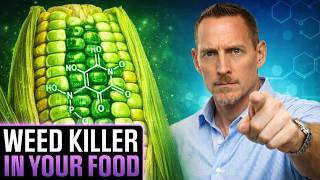
They're Hiding Glyphosate Behind National Security | Dr. Sina McCullough Reveals Why
Glyphosate's classification as a national security issue by executive order shields Bayer from lawsuits, revealing a food system dependent on toxic chemicals and subsidized monocrops.