The Podcast of the Lotus Eaters · Video summary
To Bomb or Not to Bomb?
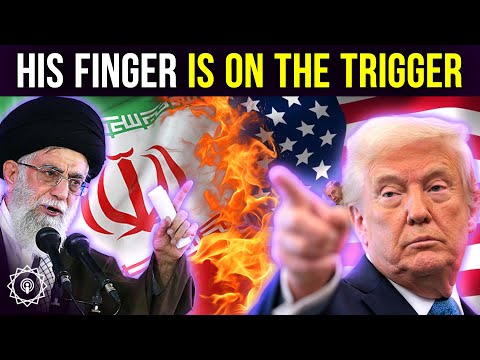
Military buildup in the Middle East signals potential conflict with Iran, but the strategic consequences could benefit Turkey rather than the U.S. or Israel.

 Watch on YouTube ↗
Key takeaways
- 🎯The military buildup in the Middle East shows signs of preparing for an escalation against Iran, which may not align with American interests.01:02
- 📈Toppling the Iranian regime could associate future governments with U.S. intervention, complicating regional stability.04:12
- ⚡A potential attack on Iran could create a power vacuum that Turkey would be poised to exploit, complicating the balance of power.09:22
- 🔑Consider the regional implications of foreign policy decisions, especially regarding alliances and enmities.12:01
- 🔍Israel’s focus on Iran may inadvertently strengthen Turkish power in the region if Iran's influence is removed.12:10
- 🌟The conflict's beneficiaries may not be the expected allies, as Turkey could rise as a significant power following an Iranian strike.19:25
Chapters
- 0:00📖 Introduction to Islander 5
- 0:55🌍 Military Buildup in the Middle East
- 1:41⚔️ The Risks of Military Action
- 2:23💣 Consequences of Regime Change
- 3:21🗺️ Geopolitical Landscape in the Region
- 4:58🚧 The Threat Landscape
- 6:33💔 Impact on Iraq and Political Crisis
- 7:40🏛️ Turkish Power Dynamics
- 9:42🔗 Potential Alliances and Nuclear Concerns
- 10:37🌐 Inevitability of Conflict
- 11:34🚨 Conclusion on U.S. Military Action
The digest
The video discusses the significant military buildup by the United States in the Middle East, particularly in anticipation of potential conflict with Iran. It explores the strategic implications of this military action, the motivations behind it, and the broader consequences for regional stability and international relations. This analysis is particularly relevant for policymakers, military strategists, and those interested in Middle Eastern geopolitics.
High Level Overview
The discussion focuses on the United States’ military preparations for a possible strike against Iran, combined with a critique of the rationale behind such actions. It questions whether targeting Iran serves American interests and highlights the potential geopolitical consequences, particularly the empowerment of Turkey amidst regional chaos. Understanding these dynamics is essential for stakeholders engaging with U.S. foreign policy and Middle Eastern stability.
Keep reading in The Digest
The full 4-minute article, 12 more sections, and every new episode from The Podcast of the Lotus Eaters and the creators you follow.
- Structured Deep Dive
- The Current Military Situation (00:55 - 03:00)
- Critique of American Involvement (03:01 - 05:30)
- The Regional Dynamics: Iran and its Neighbors (05:31 - 08:10)
- The Consequences of War on Turkey’s Position (08:11 - 11:00)
- The Impact on Iraq and the Regions Beyond (11:01 - 13:30)
- American Energy Interests and Global Repercussions (13:31 - 15:46)
- Iranian Retaliation Strategies (15:47 - 19:30)
- Reflections on U.S. Leadership and Strategy (19:31 - 21:02)
- Key Frameworks, Models, or Mental Maps
- Practical Implications & Takeaways
- Action-Oriented Summary
More from The Podcast of the Lotus Eaters

The MattGPT Scandal
The MattGPT Scandal highlights concerns over a book allegedly using AI for significant portions, raising questions about originality, research integrity, and authorial intent.

Matt Goodwin Attacks Restore
This video critiques Matt Goodwin's arguments against the online right and Restore, highlighting his contradictory claims and lack of political realism.

Breakfast With Beau | Wednesday 25th March 2026
The podcast discusses the escalating Iran conflict, migrant policy debates, and media narratives, offering critical perspectives on geopolitical events and societal issues.

A Tribute to Chuck Norris
A tribute to Chuck Norris, celebrating his martial arts prowess, iconic film career, and the enduring legacy of the "Chuck Norris Facts" meme phenomenon.

When Woke Ideas Kill
A lethal concoction of institutional failings and naive ideology led to a preventable tragedy, highlighting systemic issues in mental healthcare and policing.

Things Are Going to Get Much Worse
Britain's self-imposed energy and food crises stem from ideologically driven government policies that dismantle domestic resources despite abundant natural wealth.