Minority Mindset · Video summary
They Stopped Trusting The Dollar
Minority Mindset explains why central banks worldwide are buying less US debt and more gold, and how this shift reflects concerns about the US dollar's value and the global financial landscape.

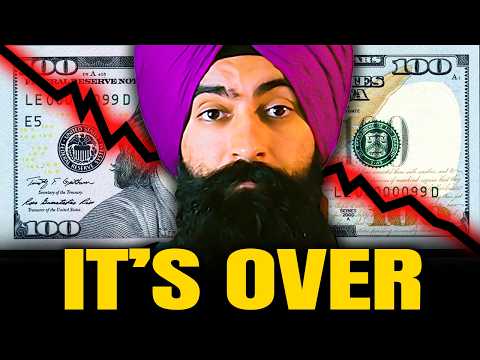 Watch on YouTube ↗
Key takeaways
- 💰Central banks are buying less US debt and more gold, indicating a shift in global reserve asset preferences.00:00
- 🇫🇷Countries like France and potentially Germany are repatriating their physical gold from US vaults, signaling a decline in trust.00:22
- 🇨🇳Hong Kong has launched a system to purchase gold with Chinese Yuan, bypassing the US dollar and challenging its global dominance.00:36
- 💸The US dollar, as a fiat currency, is backed by trust, which is eroding due to rising national debt and inflation.01:01
- 📉The US debt-to-GDP ratio has significantly worsened, from 55% in 2000 to 125% in 2026, raising concerns about the US economy's ability to repay its debt.08:57
- 🥶The US freezing Russian assets after the invasion of Ukraine prompted other countries to reconsider holding their wealth in US dollars and Treasuries.09:39
Chapters
- 0:00Central Banks Ditching US Debt for Gold
- 1:41The Dollar's Fiat Nature and Inflation Concerns
- 3:35Historical Context: The Gold Standard and Stagflation
- 12:34National Debt vs. GDP: A Growing Imbalance
- 15:27Geopolitical Impact: Freezing Assets and Loss of Trust
- 22:17The Rise of De-Dollarization and Alternative Currencies
- 28:35Investment Opportunities Amidst Economic Shifts
- 33:49Summary: Why Gold is Gaining Favor Over the Dollar
The digest
For the first time in modern history, central banks around the world are reducing their holdings of United States debt and instead accumulating more gold. This significant shift signals growing concerns about the health of the US dollar and the stability of the global economy.
Gold Surpasses US Treasuries as a Reserve Asset
Central banks are increasingly opting for gold over US Treasuries, a stark reversal of decades-long trends. Gold has now overtaken US Treasuries as a world reserve asset, indicating a fundamental change in how nations perceive and manage their wealth. This move is driven by a lack of trust in the US government's financial stability, particularly given the escalating national debt.
Keep reading in The Digest
The full 3-minute article, 7 more sections, and every new episode from Minority Mindset and the creators you follow.
- Countries Repatriate Gold and Seek Alternatives to the Dollar
- The Dollar's Fiat Nature and Growing Distrust
- Historical Parallels: The Gold Standard and Stagflation
- National Debt Outpaces Economic Growth
- Geopolitical Tensions and Asset Freezing
- The Rise of Alternative Currencies and Gold Settlement Systems
- Investment Implications: Gold vs. American Assets
More from Minority Mindset

Ray Dalio Says Higher Interest Rates Will Break The Economy
Ray Dalio and other experts are concerned that rising interest rates could lead to a recession in the United States. This analysis delves into historical rate hiking cycles to understand their impact on the stock market and the economy.

The Machine That Made America Rich Just Broke
The Federal Reserve Bank, a machine that has made America rich for over a century, has broken down, losing hundreds of billions of dollars for the first time ever. This has a direct impact on the value of your dollar, your savings, and your paycheck.

Kevin Warsh Just Defied Trump And Raised Interest Rates
The Federal Reserve's decision to raise interest rates, led by Chairman Kevin Warsh, has significant implications for the economy, including mortgages, national debt, and the stock market. This move, contrary to President Trump's desire for lower rates, aims to combat inflation but is expected to cause economic pain.

The US Just Bailed Out Its Biggest Lender
The US government bailed out the Japanese yen in 2026, a move that hasn't been seen in decades. This action has significant implications for the US economy, its stock market, and the value of the dollar.

The Bond Market Is Breaking
The bond market is signaling trouble ahead, with interest rates on US debt hitting two-decade highs. This has direct implications for your money, savings, and paycheck.

Watch This Before September 16th
The Federal Reserve is at a crossroads, facing pressure to cut interest rates from the White House while battling persistent inflation. This decision on September 16th will significantly impact the economy, the stock market, and individual finances.