The Daily · Podcast summary
The Stunning Rise of the Democratic Socialists of America
New York Times political correspondent Charlie Homans explains the stunning rise of the Democratic Socialists of America (DSA) and the challenges it faces as it gains influence within the Democratic Party.
 Listen on the show ↗
Key takeaways
- 🗳️Democratic Socialists have achieved significant electoral success across the US, from local races to congressional seats, challenging established Democrats.00:40
- 📈Public opinion among Democrats has shifted, with a majority now viewing socialism favorably, indicating a broader acceptance of socialist ideas.01:23
- 💬The DSA is a fractious organization with diverse views on how to achieve its political aims, leading to internal debates about strategy and compromise.04:12
- 💡FDR's New Deal policies, while not explicitly socialist, incorporated many ideas previously advocated by socialists, effectively co-opting some of their thunder.09:11
- 🌟Bernie Sanders' self-identification as a Democratic Socialist and his successful campaigns significantly boosted the DSA's membership and visibility, particularly among younger demographics.15:08
- ⚔️The DSA's electoral strategy involves running candidates in Democratic primaries, often challenging and defeating incumbent Democrats, rather than Republicans.22:09
Chapters
- 0:17Introduction: The Rise of Democratic Socialists
- 0:35The DSA's Electoral Success and Shifting Public Opinion
- 2:25The DSA's Identity and Relationship with the Democratic Party
- 8:20The Early History of American Socialism and Eugene Debs
- 13:33The Decline of Socialism and the Rise of FDR's New Deal
- 17:19The Cold War, Michael Harrington, and the Birth of the Modern DSA
- 24:59Bernie Sanders and the DSA's Resurgence
- 31:42The DSA's Electoral Victories and Internal Debates
- 41:27The DSA's Ideology and Internal Factions
- 47:01The DSA's Strategy: Electoral Politics vs. Direct Action
- 1:00:00The Democratic Party's Perspective on the DSA
- 1:10:08The DSA's Future: Lessons from the Tea Party and Presidential Ambition
The digest
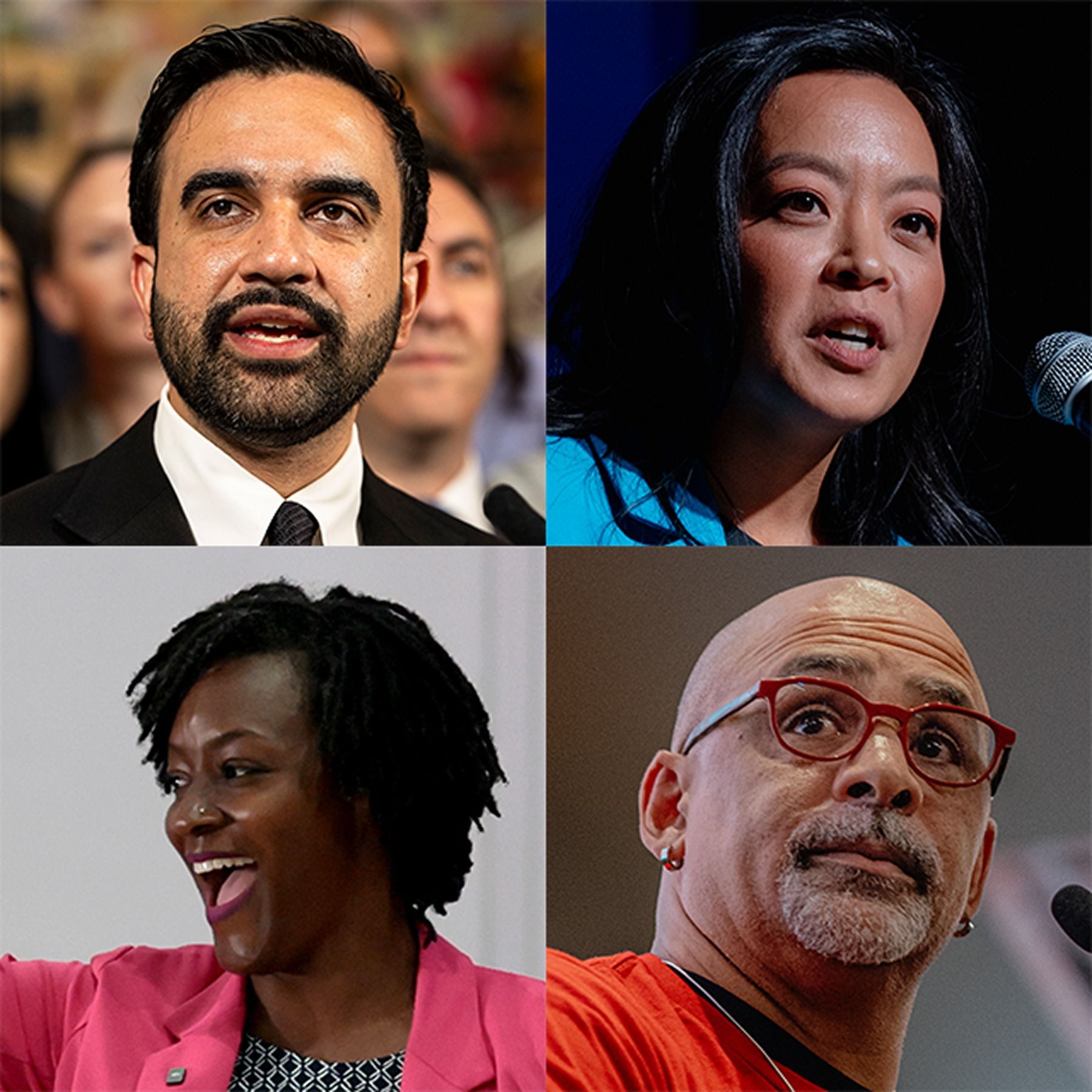
This summer, the Democratic Socialists of America (DSA) has mounted its biggest and most successful attempt yet to redefine the Democratic Party. From the East Coast to the West Coast, and in swing states, Democratic Socialists have won several races, notably in Michigan and Pennsylvania. In Florida, Democratic Socialist Angie Nixon crushed Alex Vidman, the retired military officer. This electoral success has been accompanied by a significant shift in public opinion, with two in three Democrats now holding a favorable view of socialism. However, as its electoral success grows, the organization is confronting big, unresolved questions about what it stands for and what its relationship to the Democratic Party should be.
The DSA's Resurgence and Bernie Sanders' Influence
Charlie Homans explains that the DSA has been around for a long time in various forms, but for all intents and purposes, this group wasn't really on the radar of a lot of people in politics until 2017. This was the year when Zohran Mamdani won in New York, and it marked the beginning of a remarkable run of congressional Democratic primary wins. Homans spent weeks talking to DSA members and candidates, and he came away feeling that this is a real rising force in Democratic politics. However, he also believes that as the DSA grows its footprint in American politics, it might be its own worst enemy in terms of its future. The DSA is not built as a political party; it's a much more fractious organization with a lot of constituencies holding very different ideas about how to pursue their aims in politics. Homans notes that these debates have been happening throughout much of the history of American socialism, and they are now happening inside the DSA in a way that is really going to affect its future as a force in American politics.
Bernie Sanders, though never a member of the DSA, self-identifies as a Democratic Socialist and became a pivotal figure in the modern evolution of the organization. He campaigned on policies like Medicare for All and a $15 minimum wage. Sanders' message resonated with a populist anger stemming from the 2008 financial crisis, highlighting how the establishment had rigged the system against working people. This appeal, reminiscent of the post-Gilded Age and Great Depression eras when wealth inequality was enormous, showed that self-identified socialists could do quite well in a Democratic primary. Sanders reclaimed the word "socialist," making it something a left-wing candidate could run on. His candidacy sparked a movement, and after the election, many of his supporters joined the DSA, causing its membership to skyrocket from 6,000 to 30,000 members over the course of 2017. This influx also dramatically changed the demographics of the organization, with the median age of a DSA member dropping from 68 to 33 after 2016.
Keep reading in The Digest
The full 8-minute article, 3 more sections, and every new episode from The Daily and the creators you follow.
- The DSA's Electoral Success and Internal Divisions
- The DSA's Relationship with the Democratic Party and Future Challenges
- The Future of the DSA: Presidential Ambition and Compromise
More from The Daily

Chris Rock Has Been Thinking About Forgiveness
Chris Rock discusses his new film Misty Green, reflections on Hollywood, comedy, forgiveness, and personal growth.

The Best TV Shows of the 21st Century
Natalie Kittrowa hosts a lively discussion with TV critics Gilbert Cruz and James Poniewozik about the New York Times' list of the 100 best TV shows of the 21st century, exploring the evolution of television storytelling, genre blending, and cultural impact.

Sylvester Stallone Hid His Struggles for Decades. Now He’s Coming Clean.
Sylvester Stallone opens up about his turbulent childhood, struggles with body image, and the emotional battles behind his iconic film career.

The Trump Administration Defangs the Endangered Species Act
Guest Catrin Einhorn explains how the Trump administration is rolling back environmental protections, particularly focusing on the Endangered Species Act and its implications for conservation.

Aaron Sorkin Still Believes in American Institutions, Even If No One Else Does
Aaron Sorkin discusses his latest film, "The Social Reckoning," and his enduring belief in American institutions, despite the current climate of distrust.

The Techno-Religion at the Center of the A.I. Debate
In this episode, Cade Metz explains the origins of the current debate around AI safety, tracing it back to a powerful subculture of rationalists and effective altruists who believe in the power of technology to solve humanity's problems, even as they fear its potential to destroy us.