Fresh Air · Podcast summary
The story of the world's first super-terrorist
Journalist Joby Warrick discusses his new book, "The Jackal," which chronicles the life of Ilich Ramírez Sánchez, also known as Carlos the Jackal, the world's first super-terrorist.
 Listen on the show ↗
Key takeaways
- ✍️Carlos the Jackal was the world's first super-terrorist, known for his brazen attacks and playboy lifestyle, and even signed autographs for hostages.00:46
- 📚The nickname "Carlos the Jackal" originated from a fake passport found by police and a reporter's discovery of Frederick Forsyth's novel "The Day of the Jackal" in his hideout.01:52
- 🚫Carlos was expelled from the Palestinian group he worked with because he failed to follow orders to execute hostages and made the operation "all about him."02:35
- 🗣️During the 1975 OPEC hostage crisis, Carlos announced himself to his captives by saying, "I am the famous Carlos. Maybe you've heard of me."02:50
- 💰Carlos transitioned into a "mercenary terrorist," hiring himself out to various sponsors for "bad things" they didn't want to take responsibility for.03:06
- 🥶In a 2023 interview, Carlos, then 75, showed no remorse for his past actions, stating his only regret was that he "should have killed more people."03:47
Chapters
- 0:15Introduction to Carlos the Jackal
- 3:37The Early Days of Modern Terrorism
- 5:00Carlos's Background and Early Life
- 6:30Joining the Palestinian Resistance and First Assassination Attempt
- 25:00The Paris Shootout and the Birth of a Nickname
- 37:10The OPEC Hostage Crisis: A Showman's Masterpiece
- 48:45From Revolutionary to Mercenary Terrorist
- 55:08Interview with Carlos in Prison: The Banality of Evil
- 1:04:03The Future of Terrorism: A Return to Mercenary Tactics?
The digest
Joby Warrick, a veteran national security correspondent and Pulitzer Prize winner, joins Fresh Air to discuss his latest book, "The Jackal: The Rise and Fall of Carlos, the World's First Super-Terrorist." Warrick delves into the early days of modern terrorism, a period largely forgotten in the shadow of 9/11 and the rise of Al-Qaeda and ISIS. He paints a vivid portrait of Ilich Ramírez Sánchez, a man of many aliases who became known as Carlos the Jackal, a figure who not only committed audacious acts of violence but also cultivated a celebrity persona that fascinated the world.
The Early Days of Modern Terrorism
Warrick explains that his interest in Carlos stemmed from a desire to explore the origins of modern terrorism, predating the Al-Qaeda and 9/11 era. He notes that in the 1970s, hijacking airplanes was relatively easy, and governments often capitulated to terrorist demands. This earlier wave of terrorism, though different in its motivations and methods, laid the groundwork for future terrorist movements. Warrick describes this period as one that "created templates for the terrorism that we came to know later on," and was populated by "incredibly fascinating individuals and characters" on both sides of the conflict. He emphasizes the stark contrast with today's security landscape, where lax security at airports and public venues allowed terrorists to operate with surprising ease.
Keep reading in The Digest
The full 5-minute article, 6 more sections, and every new episode from Fresh Air and the creators you follow.
- The Enigmatic Background of Carlos
- The Palestinian Resistance and Carlos's First Assignment
- The Birth of a Nickname: Carlos the Jackal
- The OPEC Hostage Crisis: A Showman's Masterpiece
- The Mercenary Terrorist: Carlos's Later Years
- A Disappointing Encounter and the Banality of Evil
More from Fresh Air

Best Of: Kyle MacLachlan / Inside the ‘romance scam’
Kyle MacLachlan reflects on his career shaped by David Lynch, while Wired's Andy Greenberg exposes a human trafficking romance scam fueled by AI.
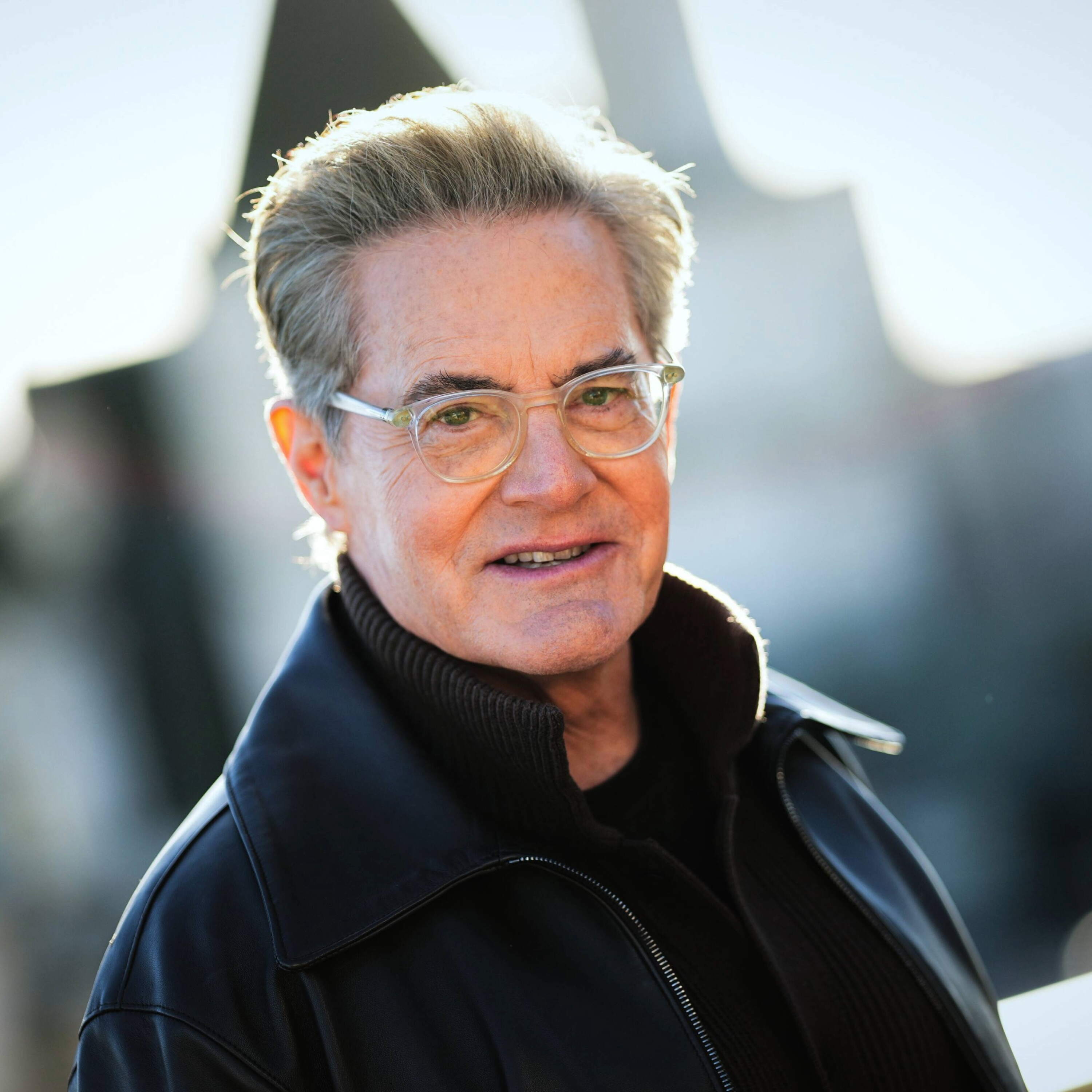
Kyle MacLachlan was David Lynch’s ‘submersible’ into dark places
Kyle MacLachlan reflects on his transformative collaboration with David Lynch, his journey through iconic roles, and the personal challenges behind the scenes.
Best Of: Rhiannon Giddens / Investigating Diddy’s Rise & Fall
Rhiannon Giddens explores Black string band traditions and her role in Beyoncé's country album; Cheyenne Roundtree investigates Sean Combs' complex legacy in music and scandal.
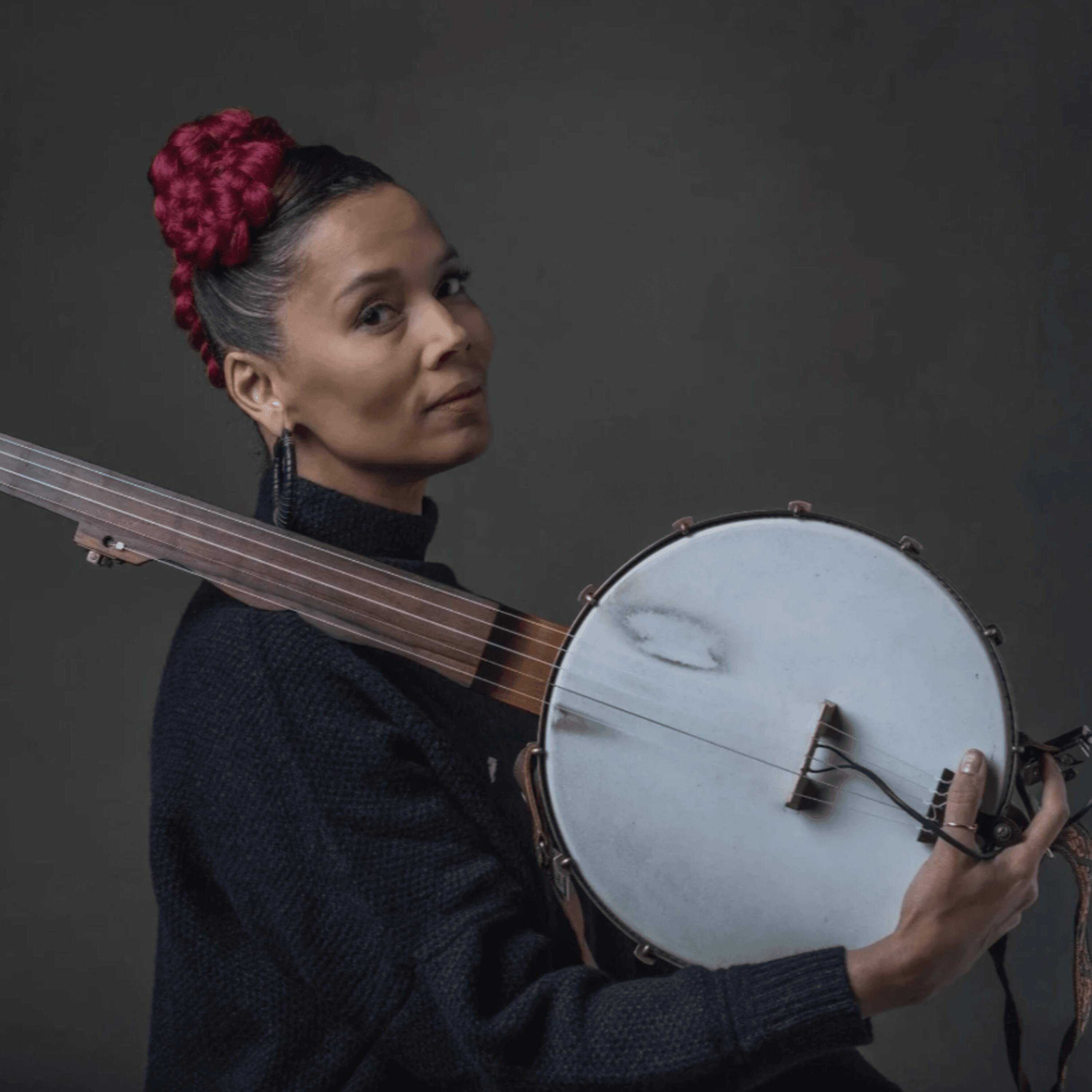
Rhiannon Giddens traces the banjo from her ancestors to Beyoncé
Rhiannon Giddens, the Grammy-winning musician and co-founder of the Carolina Chocolate Drops, discusses her new album "Hope is the Thing with Feathers," her role on Beyoncé's "Cowboy Carter," and the deep historical roots of the banjo, tracing its origins from African traditions to its presence in various American musical forms.
Best Of: Colin Kaepernick / Danielle Brooks
Colin Kaepernick discusses his memoir, "The Perilous Fight," and the reasons behind his kneeling protest. Danielle Brooks shares her experiences playing complex Black female characters and her journey through musical theater.
Looney Tunes animator Chuck Jones / Remembering singer Cassandra Wilson
Film critic Justin Chang reviews "Hope," a South Korean monster movie, and jazz critic Kevin Whitehead remembers singer Cassandra Wilson.